English
 عربى
عربى
Industry News
Home / News / Industry News / Improving Cutting Accuracy with the Right Carbide Welding Blade Design

2026-10-16
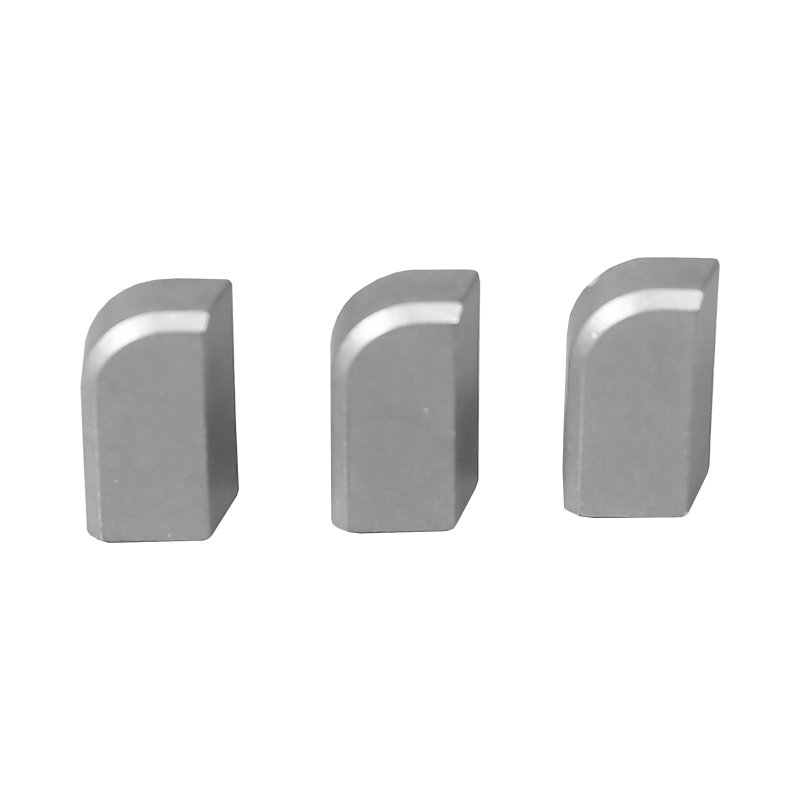
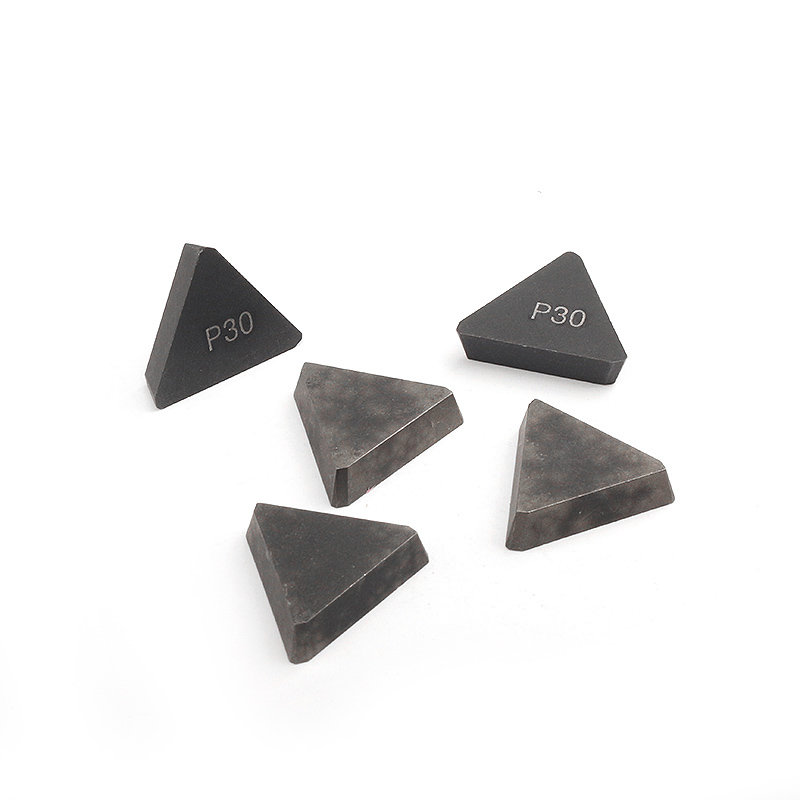
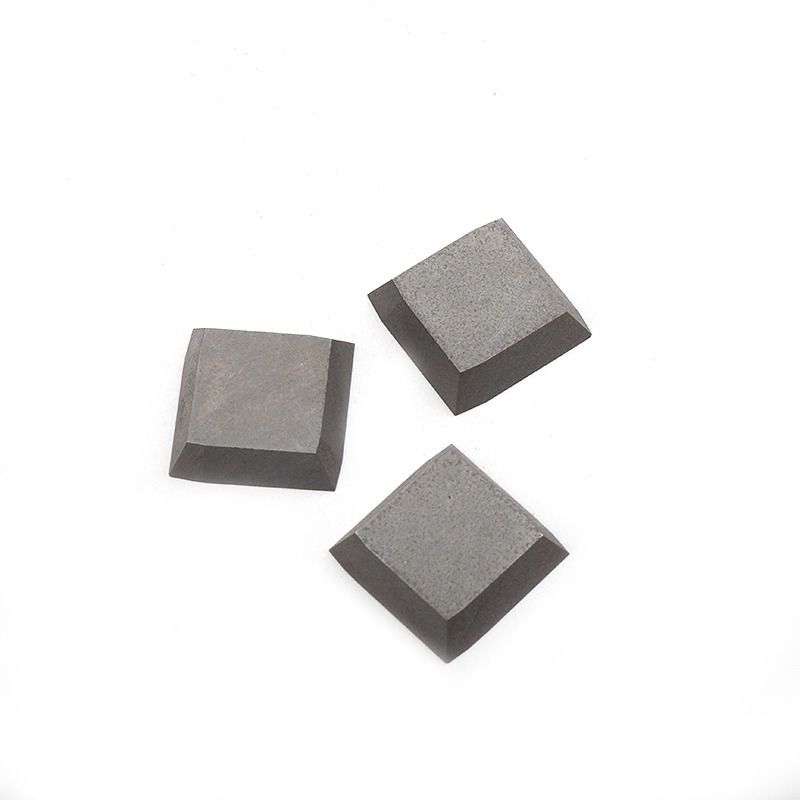
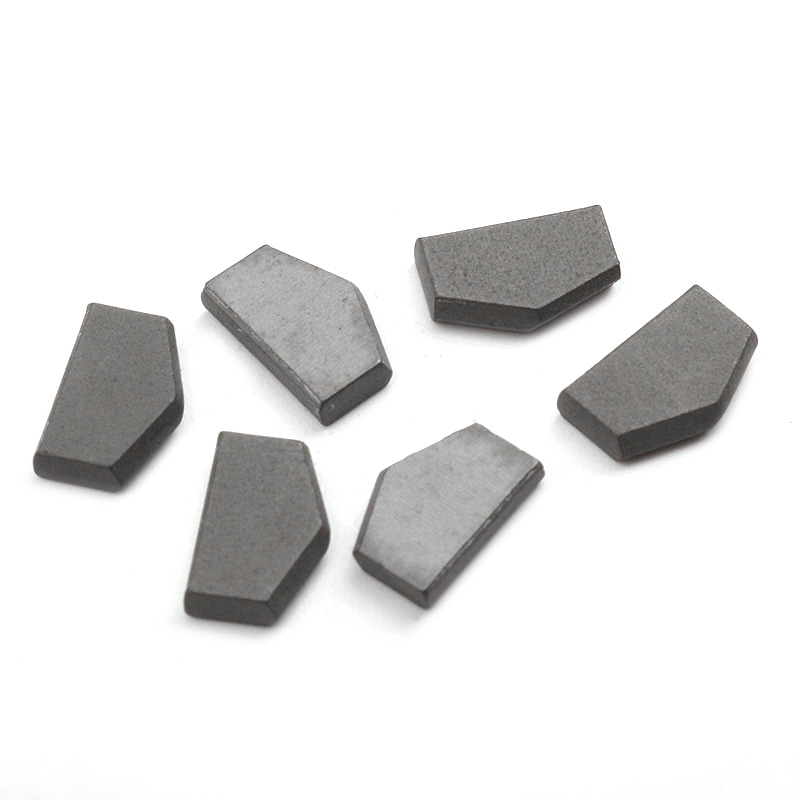
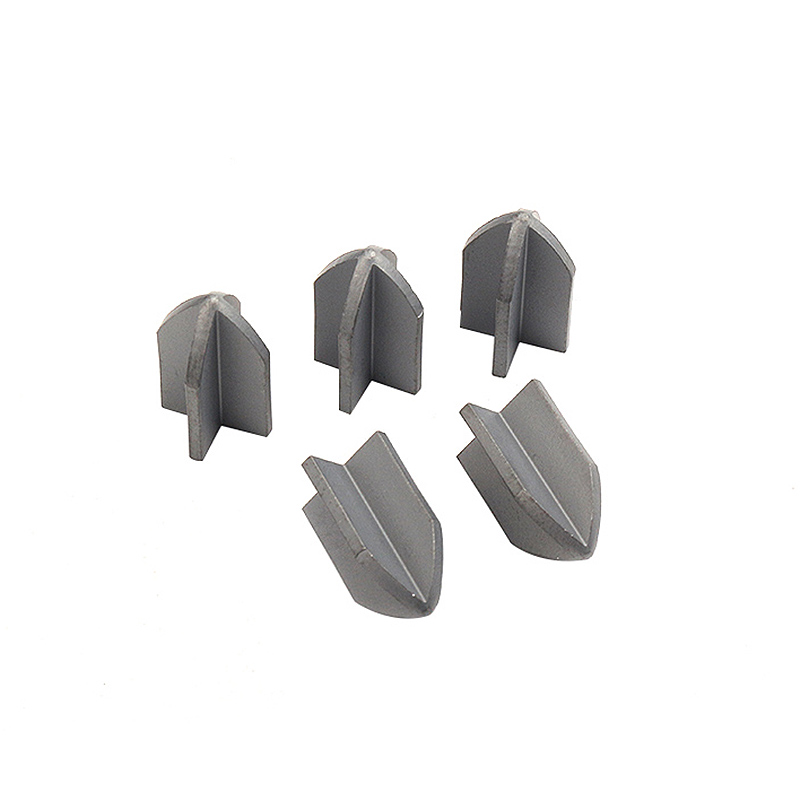
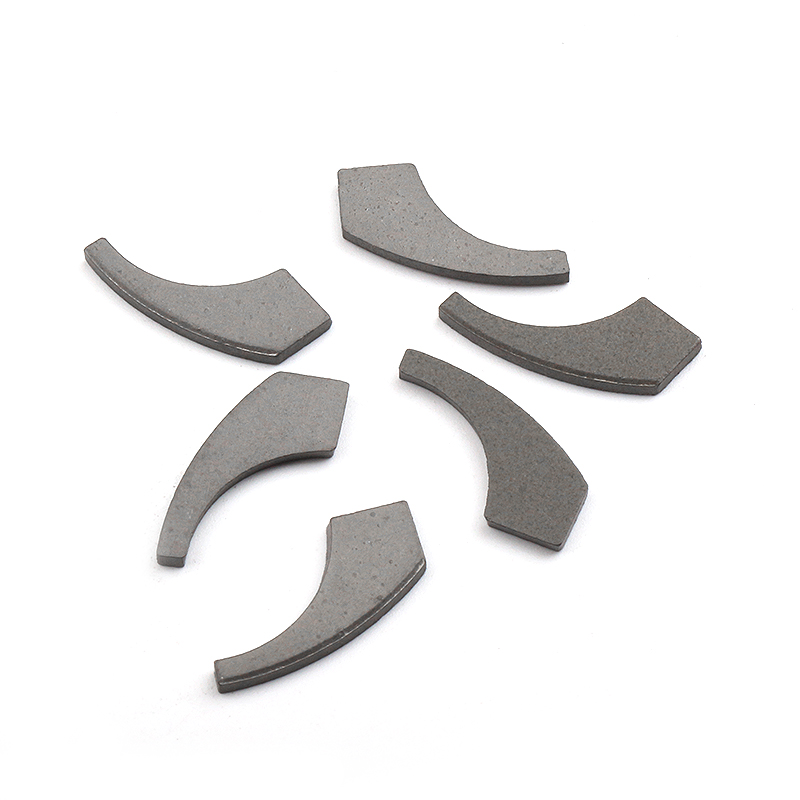
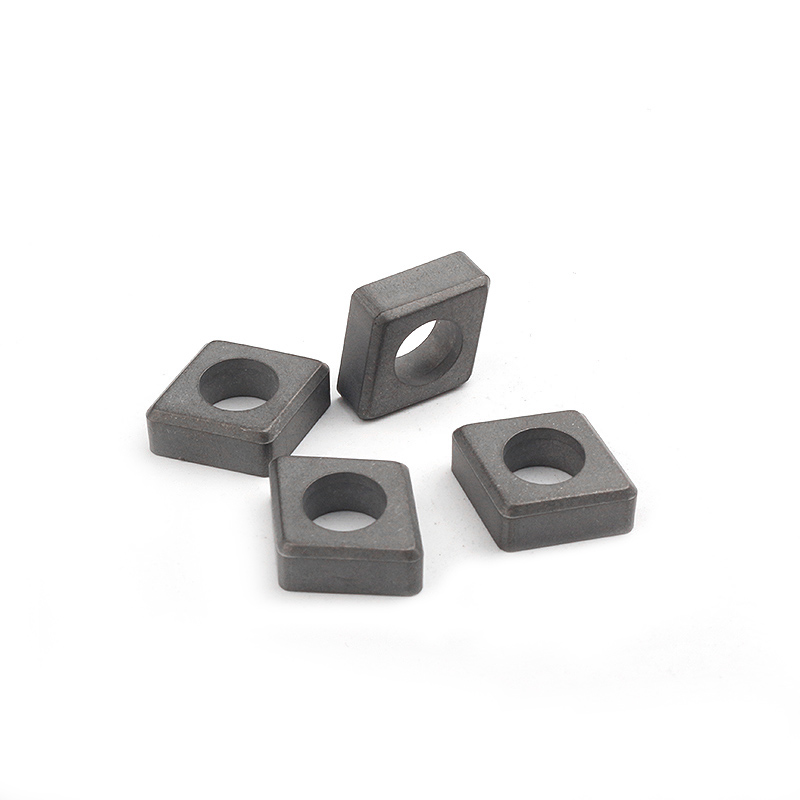
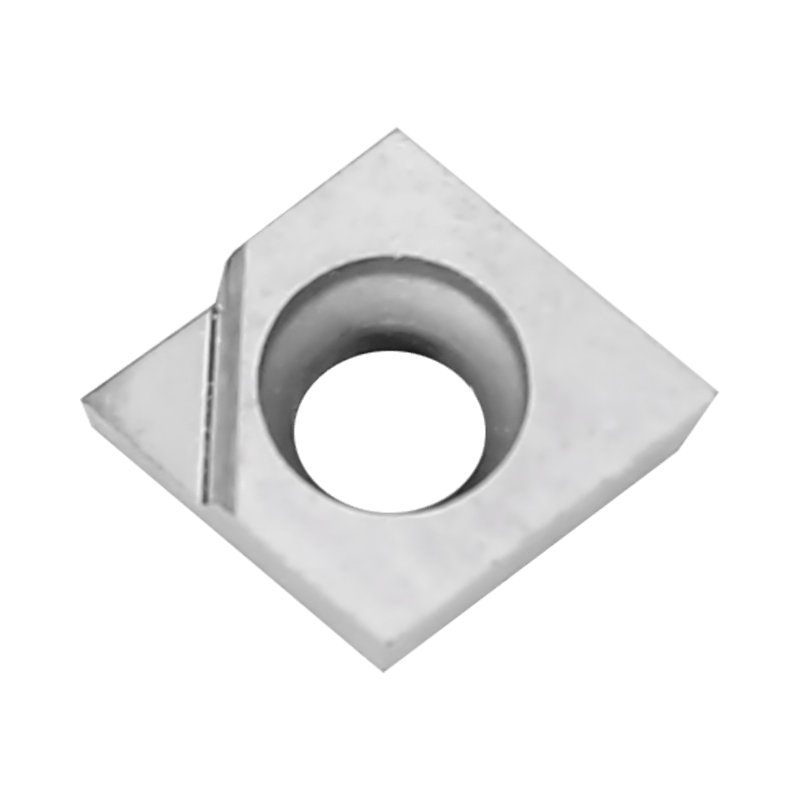
A Carbide Welding Blade must withstand repeated cutting forces while maintaining edge stability and dimensional accuracy. In metalworking and industrial tool applications, inconsistent cutting results often stem from a mismatch between blade geometry, carbide grade, and workpiece material. For manufacturers and procurement teams, understanding these factors helps reduce unnecessary tool changes, improve finished-part quality, and select a blade that fits actual production requirements rather than relying on price alone.
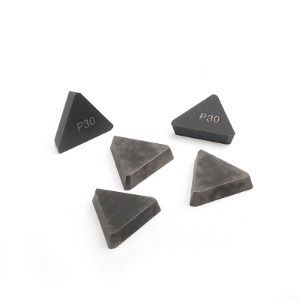
Cutting performance depends on how the blade engages with the workpiece. Rake angle, edge profile, blade thickness, and tip positioning influence cutting resistance, chip formation, and the forces transmitted to the carbide insert.
An unsuitable geometry may increase friction, produce rough edges, or place excessive stress on the welded tip. When evaluating a carbide welding blade, buyers should consider the material being processed, the required finish, and whether the operation involves continuous or interrupted cutting. Sharing these details with the manufacturer makes it easier to identify a suitable design and avoid unnecessary trial and error.
Carbide selection involves balancing wear resistance with toughness. A grade optimized for abrasive materials may perform well under stable cutting conditions but become more vulnerable to chipping when exposed to sudden impacts.
For practical selection, manufacturers and engineers should assess three factors:
A suitable carbide welding blade should be selected according to the complete operating environment, not hardness specifications alone.
Heat generated at the cutting edge can accelerate wear and affect the condition of the carbide tip. Excessive cutting speed, unsuitable feed settings, and inadequate cooling where cooling is required may contribute to thermal stress.
Operators should follow the recommended cutting parameters for the specific blade and workpiece combination. If the edge shows discoloration, microcracking, or accelerated wear, inspect the operating conditions before assuming the carbide material is defective. Coolant compatibility, chip evacuation, and machine rigidity may also influence the result.
From a manufacturing perspective, consistent brazing and appropriate material selection help the blade tolerate its intended service conditions, but they cannot compensate for incorrect machine settings.
Blade wear can gradually affect cutting dimensions, surface finish, and repeatability. These changes may be difficult to notice during short production runs but become more significant when processing large batches or components with tight tolerances.
Establish an inspection routine based on the application's accuracy requirements. Check critical dimensions at defined intervals and compare the results with the blade's wear condition. If dimensional drift occurs earlier than expected, review blade alignment, fixture stability, cutting parameters, and edge condition together.
This approach helps distinguish normal tool wear from problems caused by installation or machine setup.
The quality of a carbide welding blade depends on several interconnected production stages. Carbide preparation, steel-body machining, brazing, finishing, and final inspection all influence the finished product.
As a manufacturer, we focus on practical quality checkpoints, including tip positioning, joint appearance, dimensional accuracy, and cutting-edge condition. Inspection requirements should reflect the intended application, particularly when blades are produced to custom dimensions or used in repeat production.
For OEM buyers, confirming drawings, tolerances, carbide specifications, and acceptance criteria before production can also reduce communication errors and improve batch consistency.
A competitive quotation should be evaluated alongside product consistency, technical communication, customization capability, and replacement availability. Buyers should provide clear application details and ask suppliers to explain how their proposed blade design addresses the relevant cutting conditions.
Useful information includes workpiece material, machine model, required dimensions, operating parameters, and common failure patterns. These details allow the manufacturer to assess whether adjustments to carbide grade, edge geometry, or brazing specifications may improve performance.
Consistent cutting quality requires more than a durable cutting edge. Correct blade geometry, appropriate carbide selection, reliable brazing, and disciplined maintenance must work together to achieve stable results. By reviewing these factors before purchasing replacement tooling, industrial buyers can make more informed decisions and reduce avoidable production interruptions. A properly specified carbide welding blade offers a practical solution for applications where cutting accuracy, service reliability, and predictable tooling performance matter.
 2th Zhengde Road, Furong Town Industrial Zone, Yueqing City, Wenzhou City, Zhejiang, China
 +86-18368755111 / +86-57762299177
 +86-57762298133
 2528647427@qq.com
Copyright © Zhejiang Yueqing Yueyu Alloy Material Co., Ltd. All Rights Reserved.
Wholesale Carbide Tips Manufacturer