English
 عربى
عربى
Industry News

2026-08-24
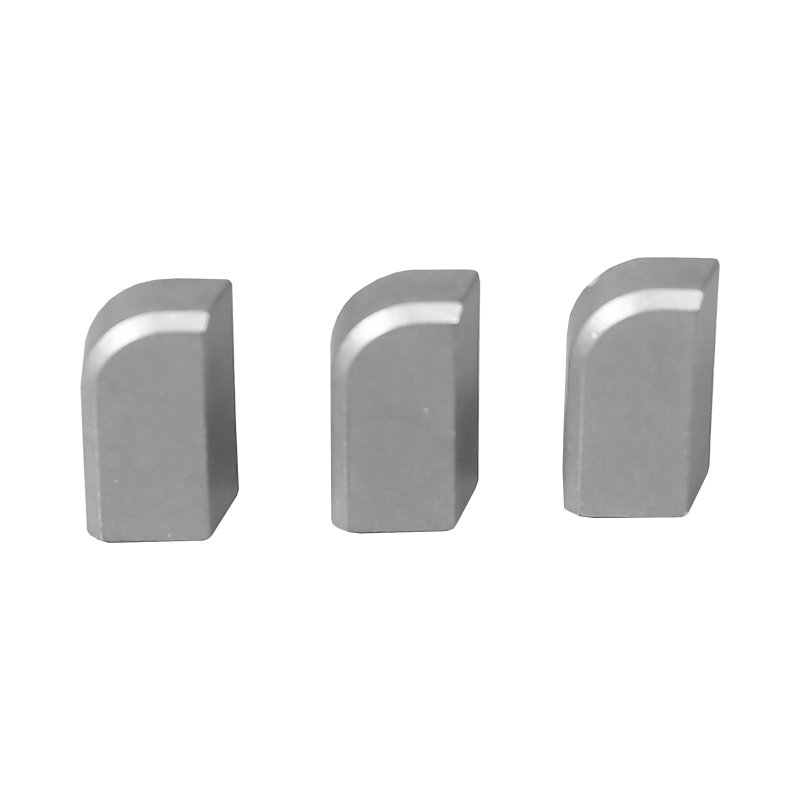
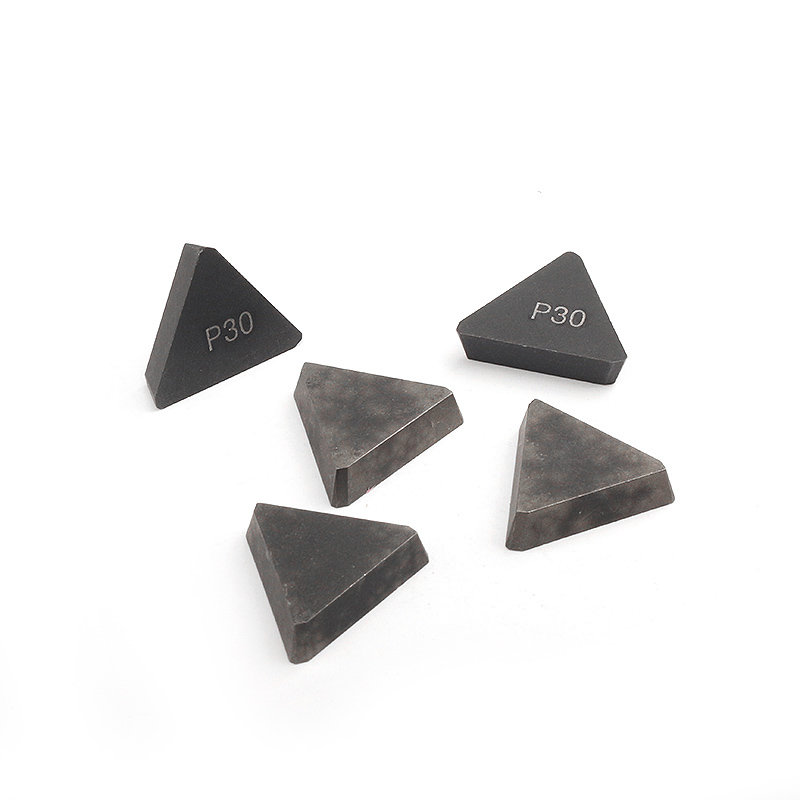
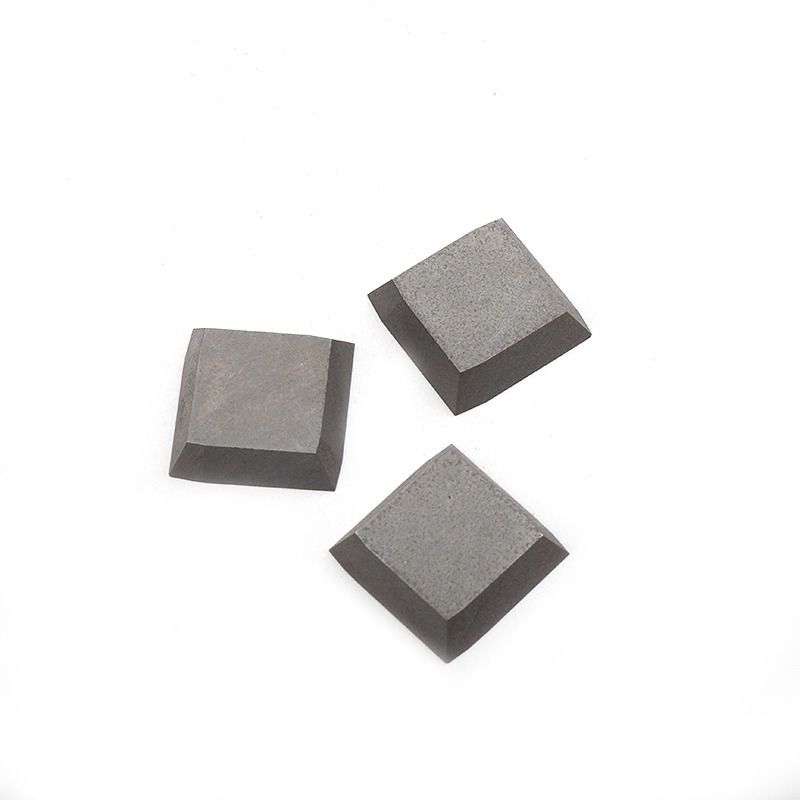
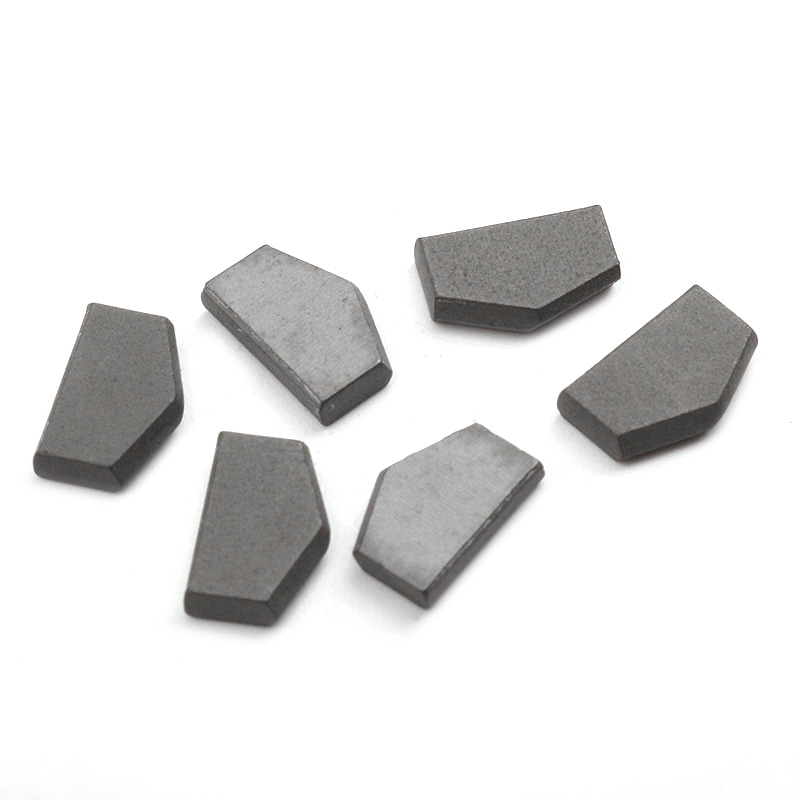
In precision machining, small tooling decisions can have a direct impact on production efficiency, surface quality, and operating costs. Many engineers and purchasing teams are now paying closer attention to insert performance, application matching, and supply consistency when choosing cutting tools. An experienced Indexable Insert Factory focuses on developing practical solutions for different machining conditions, helping users solve common problems such as unstable cutting, short tool life, and complicated tool replacement processes. The growing demand for carbide indexable inserts and customized cutting solutions reflects the need for more flexible manufacturing operations.
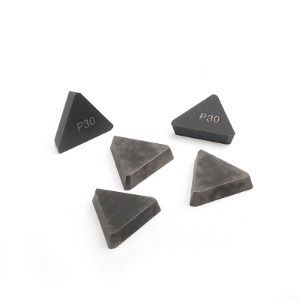
Unstable cutting is a common challenge in turning and milling applications. Even when machines are operating normally, improper insert selection can create problems such as vibration, uneven cutting surfaces, and frequent adjustments.
Many machining issues are related to factors including:
Choosing an insert based on actual working conditions helps operators achieve smoother processing and reduce unnecessary production interruptions.
Different industries use different materials and production methods, which means one insert type cannot meet every requirement. Engineers usually evaluate the workpiece, machining process, and production goals before selecting suitable cutting tools.
For example, stainless steel machining often requires inserts with stable cutting edges and effective chip control, while non-ferrous materials may require different edge designs for better surface finishes.
A professional Indexable Insert Factory usually provides various insert grades, coatings, and geometries to support different applications. This allows buyers to choose products based on actual machining needs rather than using general-purpose options that may not perform well in specific conditions.
Insert design has a strong influence on machining results. Small differences in cutting edge structure, corner radius, and chip breaker design can affect how smoothly materials are removed.
Modern indexable inserts are developed to help operators manage different cutting environments. A suitable geometry can support:
For production teams, these details are important because they influence both product quality and workshop efficiency.
Managing tools efficiently is becoming an important part of daily factory operations. Many companies want to reduce machine downtime and simplify maintenance procedures without affecting machining performance.
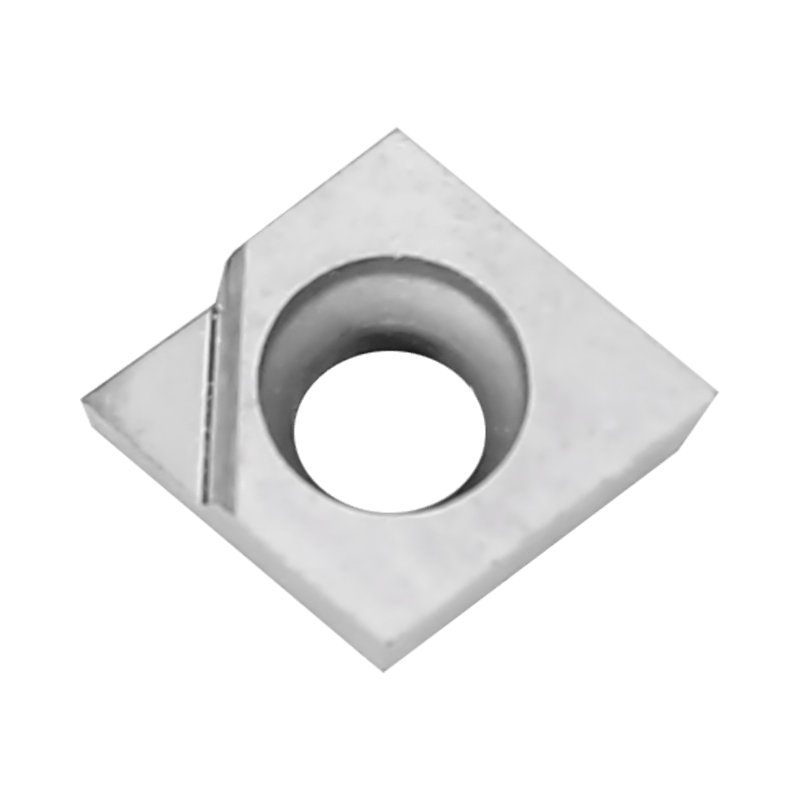
Indexable inserts offer a practical approach because the cutting edge can be replaced while keeping the tool holder in service. This design helps companies organize spare parts more effectively and makes replacement work faster for operators.
For purchasing managers, stable supply and product compatibility are also important considerations. Working with a supplier that understands different machining applications can make tool selection and inventory planning easier.
Machining requirements continue to change as industries develop more specialized components. Automotive parts, industrial equipment, molds, and precision machinery often require different cutting approaches.
Customization has become an important factor for many international buyers. Depending on application needs, insert solutions may involve different shapes, coatings, edge preparations, or packaging methods.
A capable Indexable Insert Factory can support these requirements by providing application-based recommendations and flexible production options. This helps customers build tooling systems that match their manufacturing processes.
Manufacturers worldwide are looking for ways to improve productivity while maintaining consistent quality. Tool selection is becoming closely connected with overall production management, especially in environments where accuracy and repeatability matter.
Indexable inserts support efficient machining by offering replaceable cutting edges and adaptable designs. When combined with suitable machining parameters and proper maintenance practices, they can help companies create more stable production workflows.
As machining requirements become more diverse, buyers need cutting tools that provide practical performance and long-term support. A trusted Indexable Insert Factory can help engineers and purchasing teams find suitable solutions for different materials, machines, and production conditions. With the continuous development of precision manufacturing, reliable indexable inserts will remain an important choice for companies seeking better machining stability and improved operational efficiency.
 2th Zhengde Road, Furong Town Industrial Zone, Yueqing City, Wenzhou City, Zhejiang, China
 +86-18368755111 / +86-57762299177
 +86-57762298133
 2528647427@qq.com
Copyright © Zhejiang Yueqing Yueyu Alloy Material Co., Ltd. All Rights Reserved.
Wholesale Carbide Tips Manufacturer