English
 عربى
عربى
Industry News
Home / News / Industry News / Indexable Insert Factory Enhances Production Through Advanced Coating Processes

2026-06-26
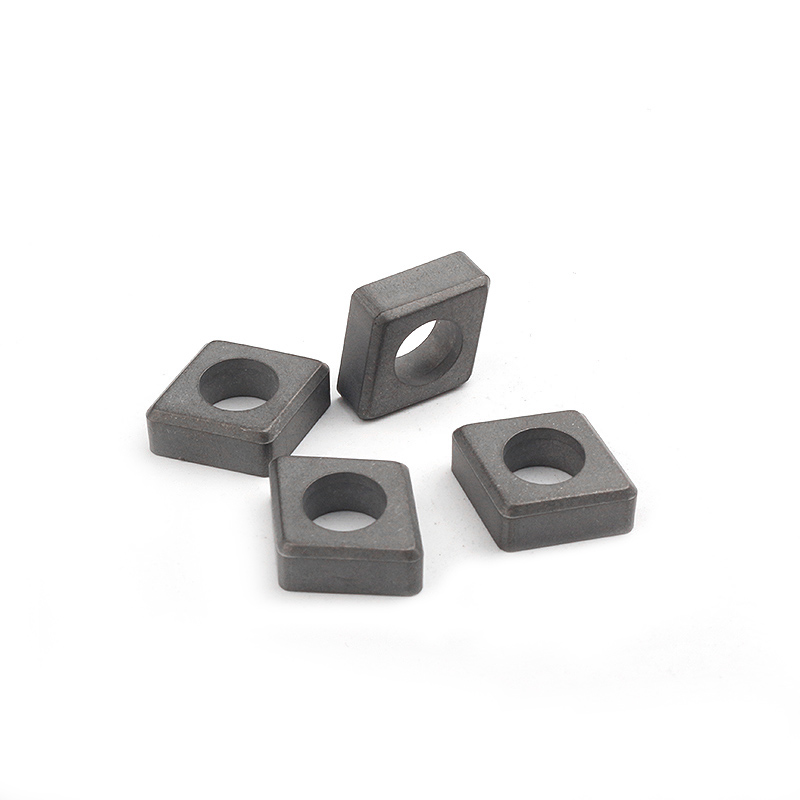
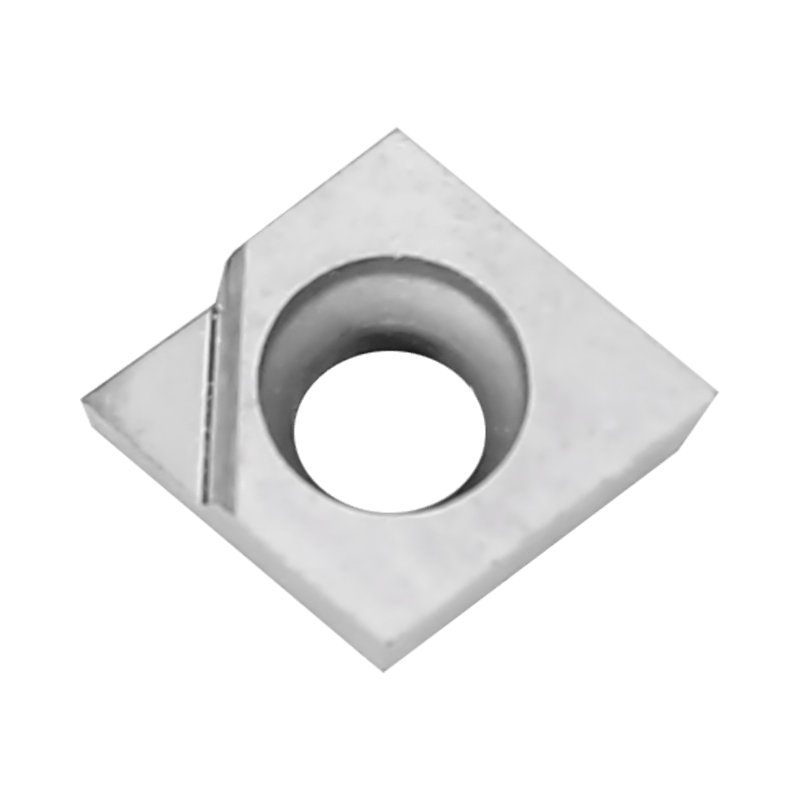
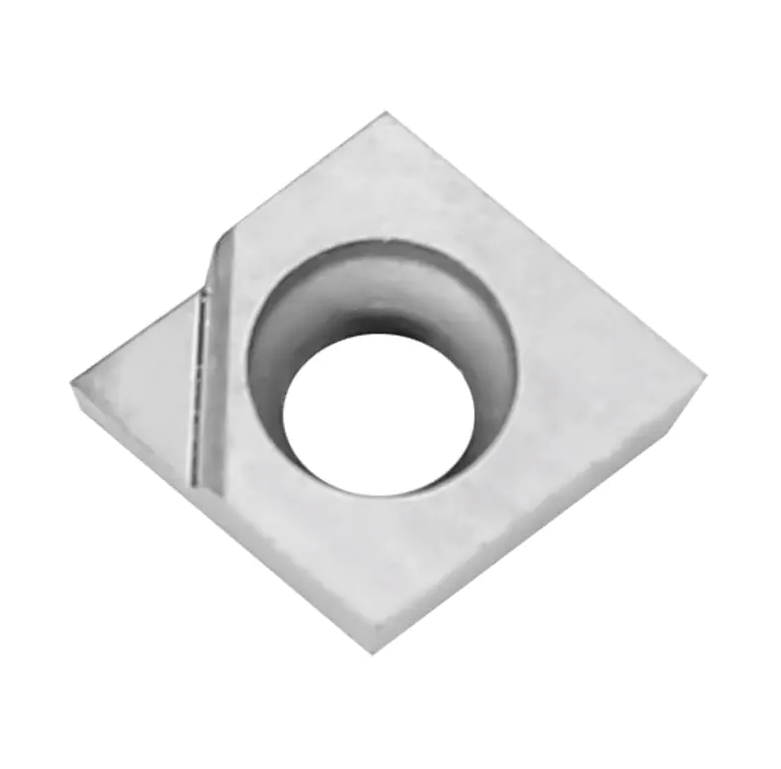
Coating technology has become an important part of modern cutting tool manufacturing. As machining applications continue to evolve, manufacturers seek inserts that can operate under various cutting conditions while maintaining stable performance. An Indexable Insert Factory often invests in coating processes to improve the durability and application range of carbide inserts. In manufacturing environments where precision is essential, components such as Carbide Non-Slip Pin products are also widely used to support accurate positioning and reliable production processes.
The Role of Coatings in Cutting Tool Performance
Cutting inserts are exposed to friction, heat, and mechanical stress during machining operations. Coatings provide an additional protective layer on the insert surface, helping improve its ability to perform in demanding applications.
Common objectives of insert coatings include:
Increasing wear resistance
Improving heat tolerance
Supporting chip flow
Reducing surface friction
Extending usable service periods
Because different machining tasks create different cutting conditions, coating selection often depends on the workpiece material and production requirements.
Common Coating Technologies
Modern insert manufacturing utilizes several coating methods, each suitable for specific applications.
PVD Coatings
Physical Vapor Deposition (PVD) coatings are commonly applied to inserts used in finishing and precision machining operations. These coatings can provide good surface characteristics while maintaining sharp cutting edges.
PVD-coated inserts are often used for:
Stainless steel machining
Precision turning
Finishing applications
Complex cutting operations
CVD Coatings
Chemical Vapor Deposition (CVD) coatings are frequently selected for applications involving higher cutting loads and continuous machining.
Typical uses include:
Steel machining
Cast iron processing
General turning operations
Large-volume production environments
The selection between PVD and CVD coatings depends on machining objectives, workpiece materials, and cutting conditions.
How Advanced Coating Processes Support Production
An Indexable Insert Factory relies on controlled coating procedures to achieve consistent product quality.
Improved Wear Resistance
A properly applied coating helps protect the carbide substrate from abrasion and cutting-related wear. This can contribute to more stable insert performance during machining.
Better Heat Management
Machining generates significant heat at the cutting edge. Coatings can help reduce the direct impact of high temperatures on the insert surface, supporting more consistent operation.
Stable Surface Characteristics
Coated inserts often provide smoother interaction between the cutting edge and workpiece material, contributing to predictable cutting behavior.
These advantages make coating technology an important aspect of insert manufacturing and application development.
Quality Control During Coating Operations
Achieving reliable coating performance requires careful process management throughout production.
Surface Preparation
Before coating, inserts undergo cleaning and preparation procedures to ensure proper coating adhesion.
Process Consistency
Controlled coating parameters help maintain uniform coverage across production batches.
Inspection Procedures
Manufacturers perform inspections to verify coating quality, surface condition, and dimensional accuracy before products enter the market.
These steps help support consistency throughout the manufacturing process.
The Connection Between Precision Tooling and Fixture Components
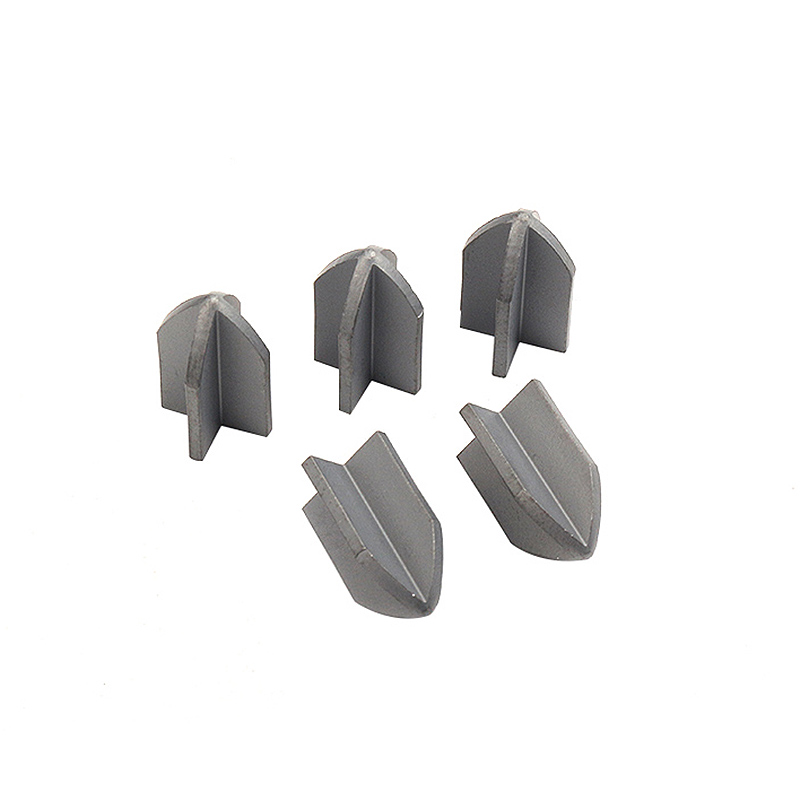
While coated inserts play a significant role in machining performance, fixture accuracy also affects production outcomes. A Carbide Non-Slip Pin is commonly used in locating and positioning systems where stable alignment is required.
These components support:
Accurate workpiece positioning
Fixture repeatability
Reliable machining setups
Consistent production processes
By helping maintain alignment, carbide locating pins contribute to the overall effectiveness of machining operations that utilize coated cutting inserts.
Supporting Modern Manufacturing Requirements
Manufacturers continue to seek solutions that improve production efficiency while maintaining process consistency. An Indexable Insert Factory uses coating technologies to enhance the performance characteristics of carbide inserts across a variety of machining applications. At the same time, durable positioning components such as Carbide Non-Slip Pin products help support accurate fixture operation throughout manufacturing environments.
The combination of coating technology, precision manufacturing, and reliable positioning systems contributes to stable machining processes and supports the ongoing development of modern industrial production.
 2th Zhengde Road, Furong Town Industrial Zone, Yueqing City, Wenzhou City, Zhejiang, China
 +86-18368755111 / +86-57762299177
 +86-57762298133
 2528647427@qq.com
Copyright © Zhejiang Yueqing Yueyu Alloy Material Co., Ltd. All Rights Reserved.
Wholesale Carbide Tips Manufacturer