English
 عربى
عربى
Industry News
Home / News / Industry News / Automation Upgrade Indexable Insert Factory Streamlines Precision Production Workflow

2026-05-22
Automation in machining environments is reshaping how a Tungsten Carbide Factory supplies wear-resistant tooling materials, while an Indexable Insert Factory is increasingly integrated into production systems that rely on controlled precision, stable cycle times, and reduced manual intervention. As more workshops adopt automated machining lines, the coordination between carbide tooling and insert systems is becoming a key factor in maintaining steady production flow.
In traditional machining setups, tooling management often relied on manual inspection and operator experience. While this approach remains in use for small-scale production, it becomes less consistent in automated environments where machines operate continuously across multiple shifts.
One common issue is variation in tool wear detection timing. Without automated monitoring, inserts may be used beyond their stable cutting period or replaced earlier than necessary, both of which can influence production rhythm. Another challenge is inconsistent setup conditions when switching between tool holders and insert types, especially in multi-machine production lines.
In precision manufacturing sectors such as mold components, hydraulic parts, and mechanical assemblies, even minor fluctuations in tool condition can affect dimensional repeatability. As production systems scale up, maintaining consistent machining behavior becomes more complex without structured tooling coordination.
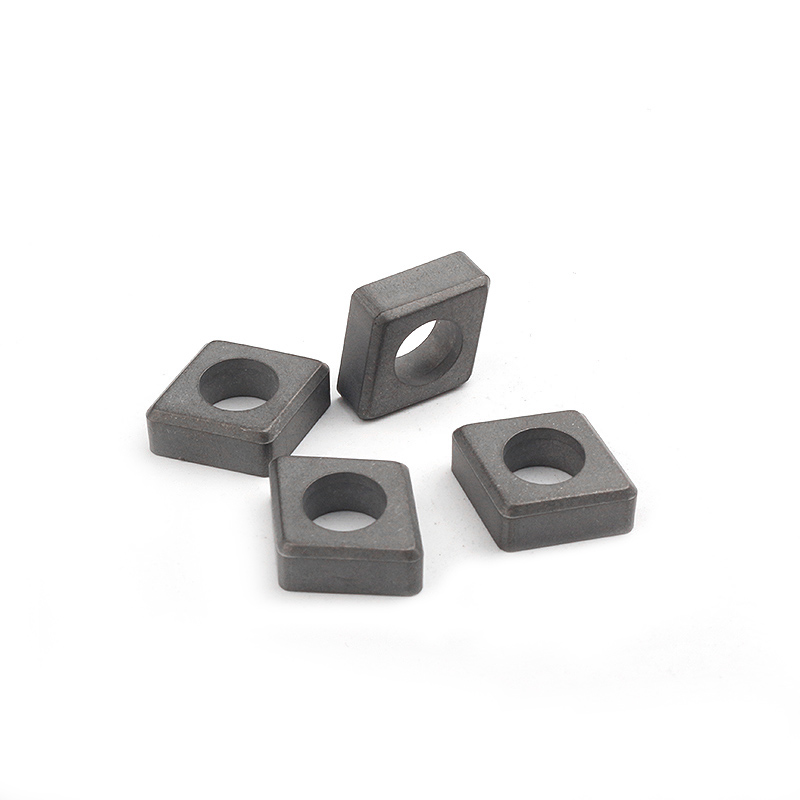
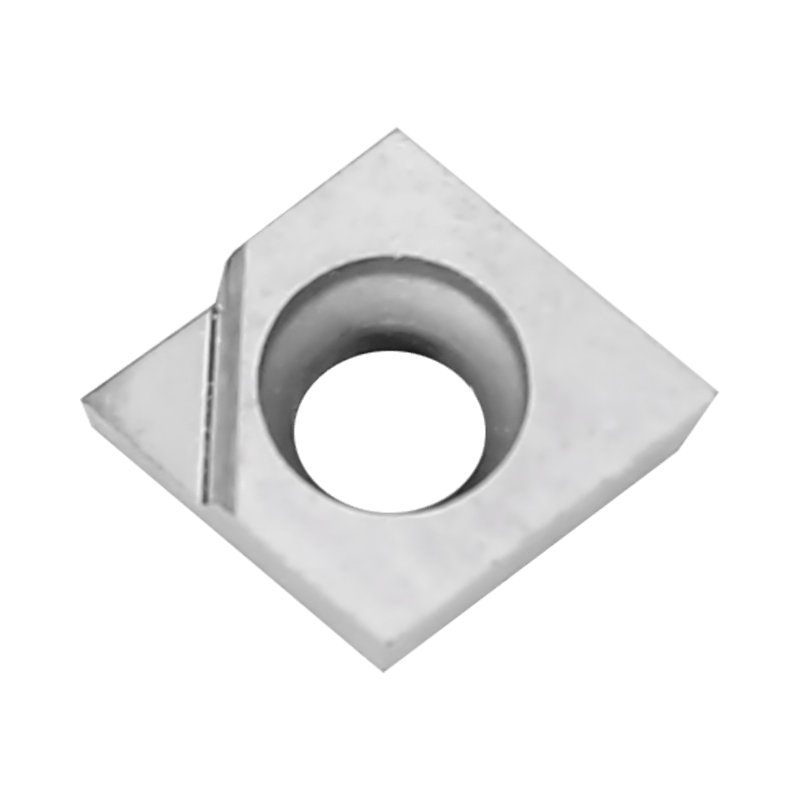
Automation integration in indexable insert production has influenced both design and manufacturing processes. An Indexable Insert Factory now focuses more on standardization of insert interfaces, making it easier for automated tool changers to handle consistent components without manual adjustment.
At the same time, tungsten carbide material development continues to support these changes. A Tungsten Carbide Factory typically refines material composition and coating compatibility to ensure inserts remain stable under repeated automated cutting cycles.
Key adjustments in this area include:
These adjustments do not remove the need for tool replacement, but they allow replacement to be integrated into automated schedules rather than manual decisions.
Indexable inserts supported by carbide tooling systems are widely used in automated machining environments where precision and repeatability are central requirements. CNC turning centers and milling machines equipped with robotic tool changers rely on consistent insert geometry to maintain workflow continuity.
In hydraulic component production, automated systems process valve bodies and connectors with repeated machining steps. Insert stability helps maintain consistent dimensional control across long production batches. In mold manufacturing, tool path precision and surface consistency depend on predictable insert wear behavior, especially when machining hardened steels.
Electronics and instrumentation components also use automated machining systems for small, high-precision parts. In these cases, insert replacement is often synchronized with machine cycles, allowing production to continue without interruption.
Additional application areas include:
Across these environments, automation does not eliminate tooling variation, but it helps reduce manual handling differences and improves process consistency.
In automated machining environments, insert usage is often tracked through machine-integrated monitoring systems rather than visual inspection alone. Cutting time, spindle load, and tool path data are used to determine when inserts should be indexed or replaced.
In one production scenario involving hydraulic valve machining, an automated tool changer system was configured to switch indexable inserts after predefined cutting intervals. This reduced variation in surface finish across production batches and helped maintain consistent machining conditions over multiple shifts.
Another case in a precision shaft production line showed that carbide inserts with improved coating uniformity performed more consistently under robotic tool changes. The reduction in manual handling contributed to fewer setup variations between tool replacements.
A simplified summary of observed workflow changes includes:
These observations highlight how automation influences not only machining operations but also tooling lifecycle management.
The integration of tungsten carbide materials with indexable insert systems supports a broader shift toward structured automation in machining environments. Rather than relying on manual decision-making for tool changes, production systems increasingly use data-driven schedules and standardized tooling components.
This approach helps align machining operations with production planning systems. Tool wear is no longer treated only as a visual inspection task but as part of a monitored process within the production workflow.
It also influences machine layout design. Automated tool storage, robotic arms, and CNC machines are often configured around standardized insert systems, reducing complexity in tool handling and reducing variation in setup procedures.
From a production management perspective, this shift allows manufacturers to separate machining execution from manual tool control, creating a more predictable workflow structure across different production lines.
 2th Zhengde Road, Furong Town Industrial Zone, Yueqing City, Wenzhou City, Zhejiang, China
 +86-18368755111 / +86-57762299177
 +86-57762298133
 2528647427@qq.com
Copyright © Zhejiang Yueqing Yueyu Alloy Material Co., Ltd. All Rights Reserved.
Wholesale Carbide Tips Manufacturer