English
 عربى
عربى
Industry News
Home / News / Industry News / Automotive Demand Growth: Indexable Insert Factory Supports High Efficiency Turning

2026-05-15
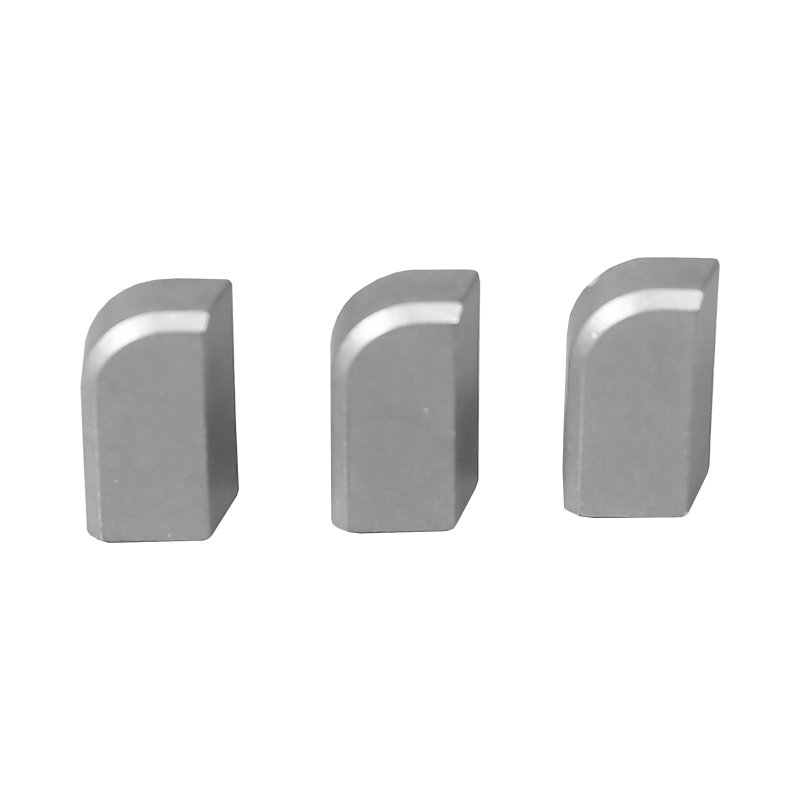
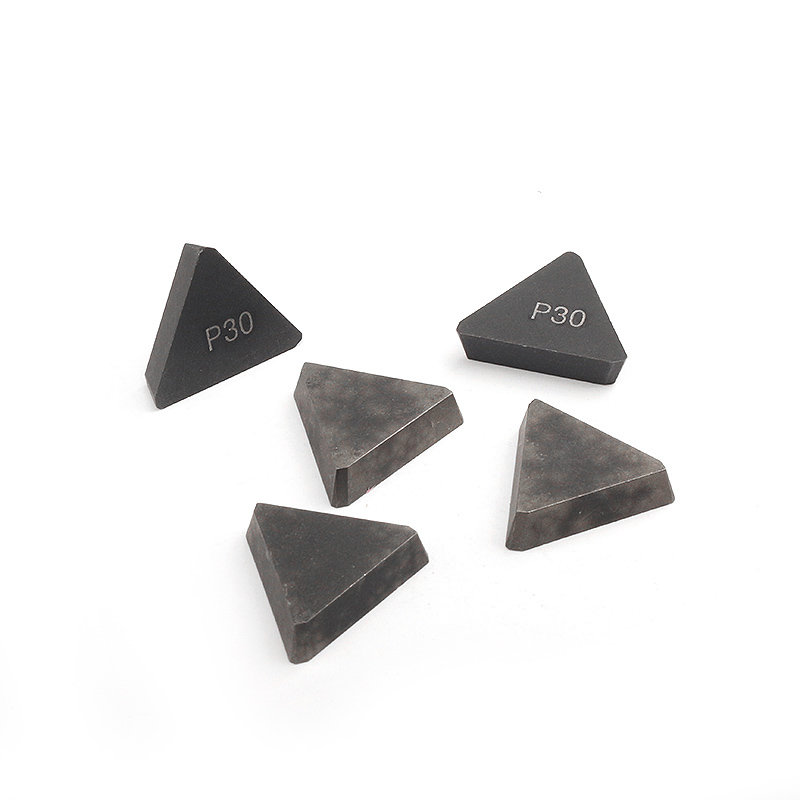
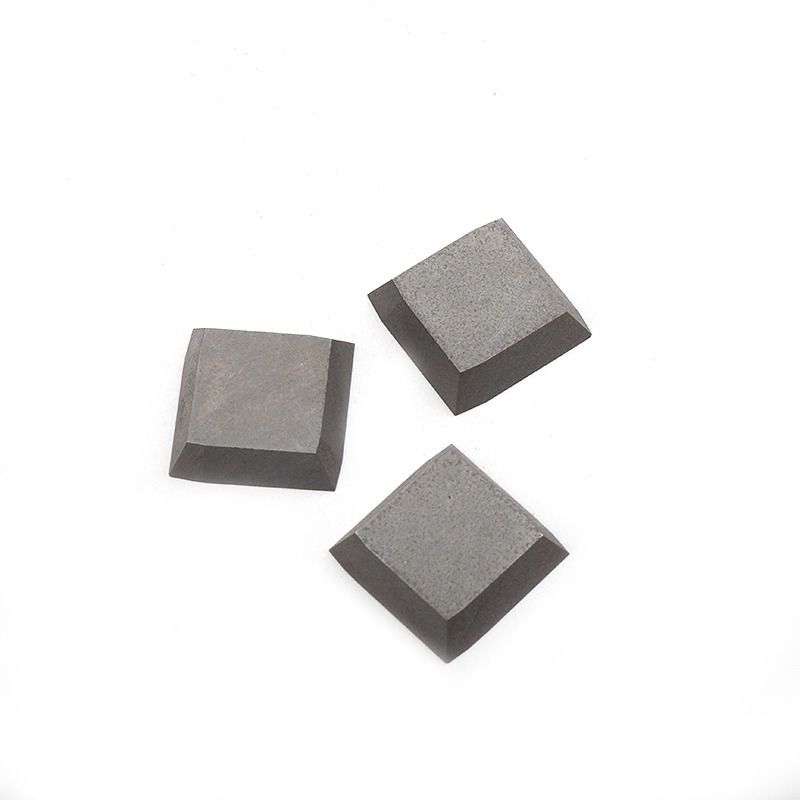
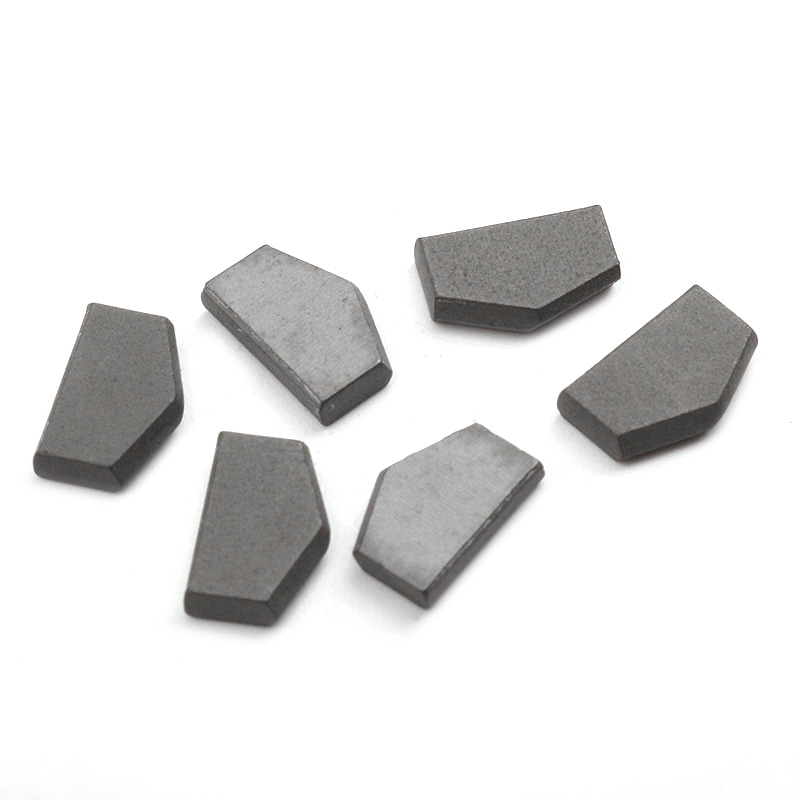
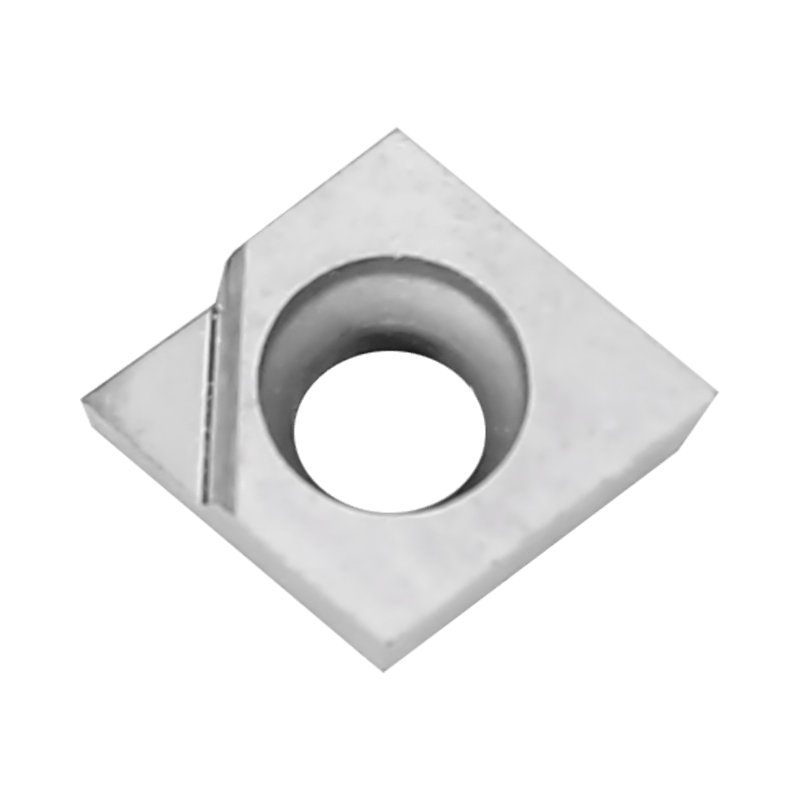
Rising demand in automotive machining has increased attention on how a Tungsten Carbide Factory supplies wear-resistant materials, while an Indexable Insert Factory continues to support stable turning operations under higher production cycles. As component complexity grows and production volumes expand, tooling systems are being adjusted to maintain consistent cutting behavior in engine parts, transmission components, and structural automotive elements.
Automotive manufacturing places continuous pressure on machining efficiency due to large-scale output requirements and tight dimensional tolerances. Turning processes for shafts, housings, brake components, and gearbox parts often involve long production runs with limited interruption windows.
One key challenge comes from the variation in workpiece materials. Automotive parts may include alloy steel, cast iron, and heat-treated metals, each presenting different resistance levels during cutting. Tool wear tends to accelerate when machining harder materials at consistent feed rates, especially in automated production lines where tool monitoring is scheduled rather than manual.
Another factor is the demand for surface consistency. Even slight changes in tool edge condition can influence surface finish and dimensional accuracy. This creates pressure on tooling systems to maintain stable cutting conditions over extended cycles without frequent machine downtime.
Development in tungsten carbide materials and indexable insert structures has gradually shifted toward controlled wear behavior rather than only hardness increase. A Tungsten Carbide Factory typically focuses on refining grain uniformity and binder distribution, which helps reduce uneven edge breakdown during continuous cutting.
At the same time, an Indexable Insert Factory works on improving insert geometry, seating stability, and chip flow management. These adjustments are not isolated; they interact directly with how cutting forces are distributed across the tool edge during turning.
Key developments include:
These structural changes are designed to support predictable wear patterns, allowing operators to schedule insert rotation or replacement based on measurable cutting conditions rather than unexpected failure points.
Indexable insert systems and tungsten carbide tooling are widely applied across automotive machining centers where turning operations dominate. Crankshaft machining is one of the primary applications, requiring stable cutting conditions due to repeated contouring and high material density. Inserts used in these processes must maintain edge integrity while handling intermittent load changes.
Transmission components such as gears and shafts also rely heavily on turning inserts. These parts often require multiple machining stages, including rough turning and semi-finishing operations. The ability to switch insert grades within the same tool holder system helps maintain workflow continuity across different machining phases.
Brake system components present another application area. Discs and hubs require controlled surface finishing, where tool vibration and thermal load need to remain consistent throughout production batches. Indexable inserts help manage this by allowing quick replacement of worn edges without changing the entire tool assembly.
Additional usage scenarios include:
Across these environments, tooling consistency is closely linked to production stability, especially when machining centers operate continuously over long production shifts.
In automotive machining lines, tool wear behavior is often monitored through scheduled inspection intervals rather than real-time manual checks. Indexable inserts are rotated or replaced based on predefined cutting time or load cycles.
In one turning operation involving alloy steel shafts, insert life variation was observed across different cutting speeds. When carbide inserts with improved coating layers were introduced, wear distribution became more consistent across production batches. This allowed maintenance teams to align insert replacement timing with machine downtime schedules rather than reactive adjustments.
Another example from brake disc machining showed that chip control improvements reduced irregular surface marks during mid-cycle production runs. The inserts used in this process maintained more stable edge geometry across repeated cuts, reducing variation between early and late production outputs within a single batch.
A simplified summary of observed changes in machining environments includes:
More predictable insert rotation cycles in automated turning lines
Reduced variation in surface finish across long production runs
Improved alignment between tool holder stability and insert wear patterns
Easier transition between roughing and finishing operations using modular inserts
These observations are based on production feedback in controlled machining environments and vary depending on machine configuration and material type.
 2th Zhengde Road, Furong Town Industrial Zone, Yueqing City, Wenzhou City, Zhejiang, China
 +86-18368755111 / +86-57762299177
 +86-57762298133
 2528647427@qq.com
Copyright © Zhejiang Yueqing Yueyu Alloy Material Co., Ltd. All Rights Reserved.
Wholesale Carbide Tips Manufacturer