English
 عربى
عربى
Industry News

2026-05-08
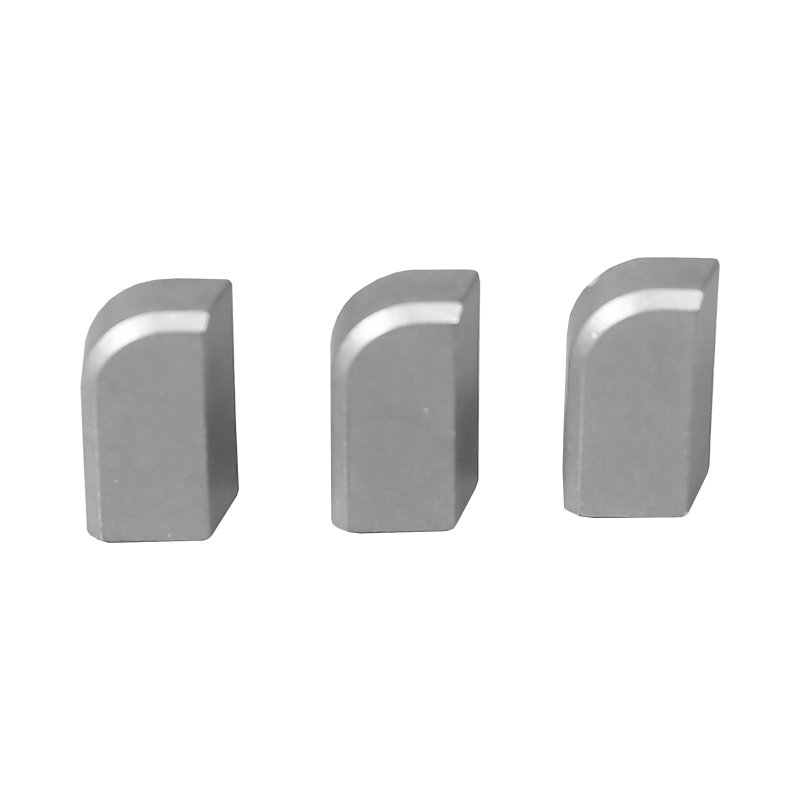
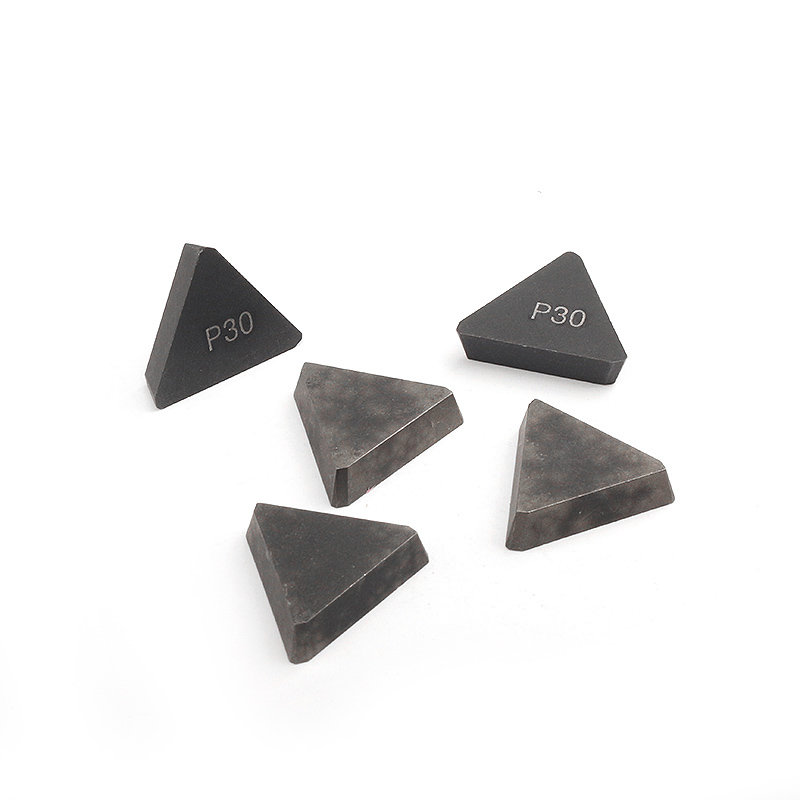
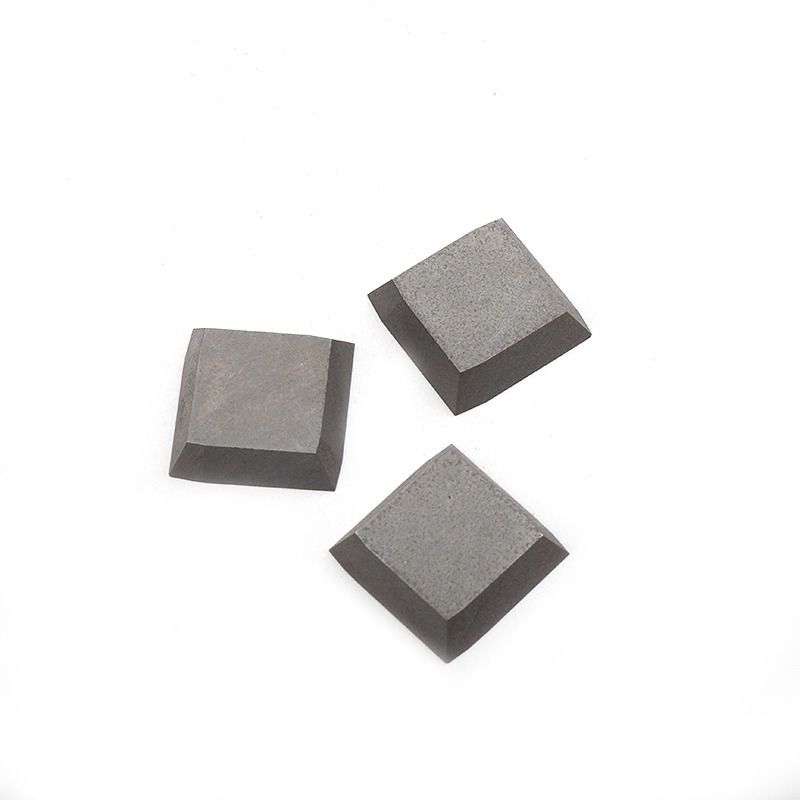
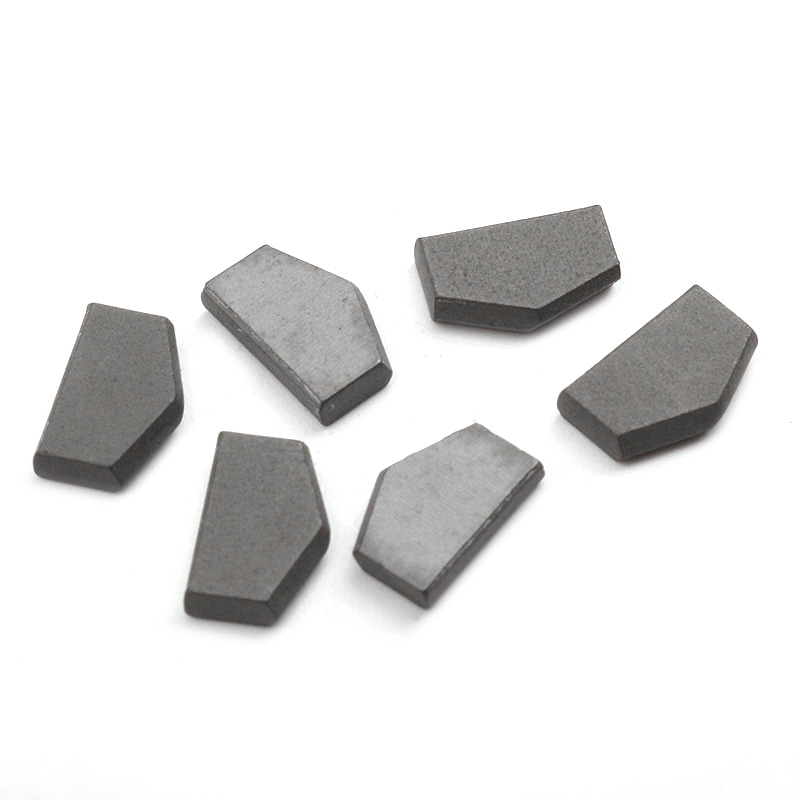
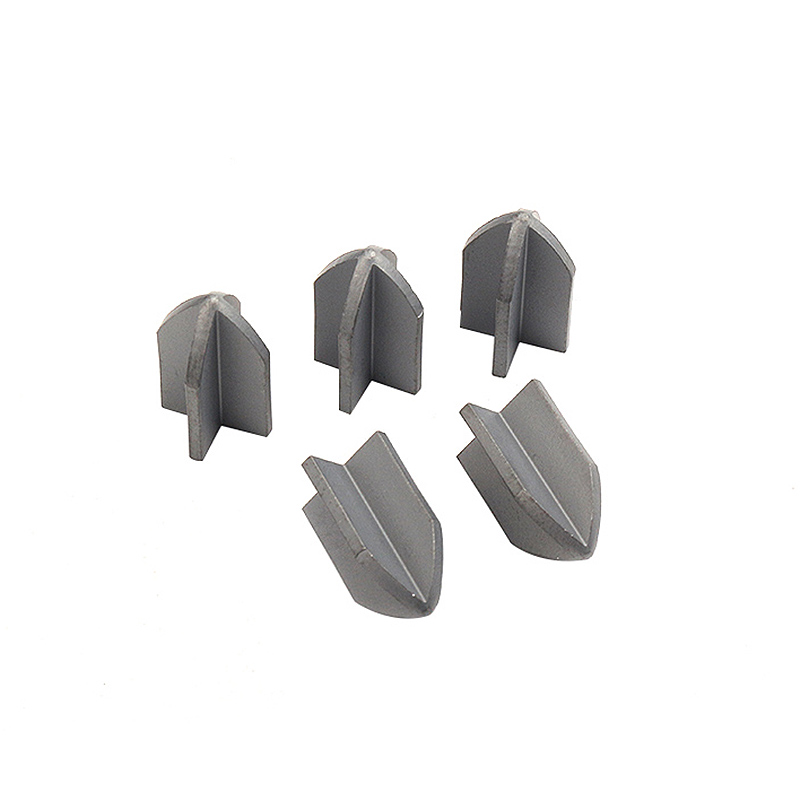
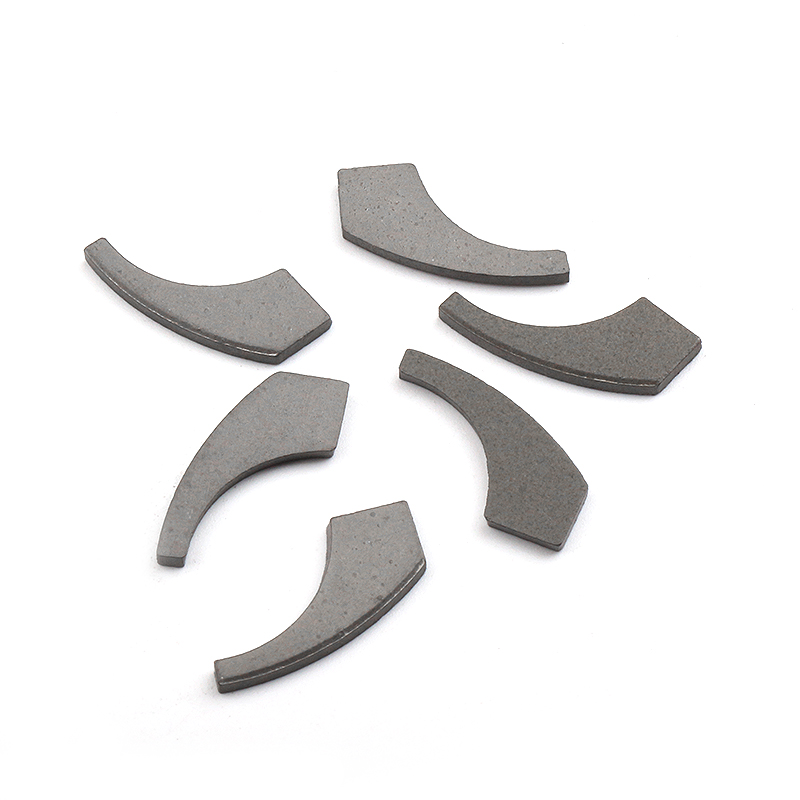
Across modern machining environments, a Tungsten Carbide Factory plays a growing role in supporting wear-resistant tooling systems, while an Indexable Insert Factory focuses on improving insert geometry and stability for continuous cutting operations. The combined direction of these manufacturing developments is closely linked with how tooling service life is being extended across turning, milling, and drilling processes in different industrial settings.
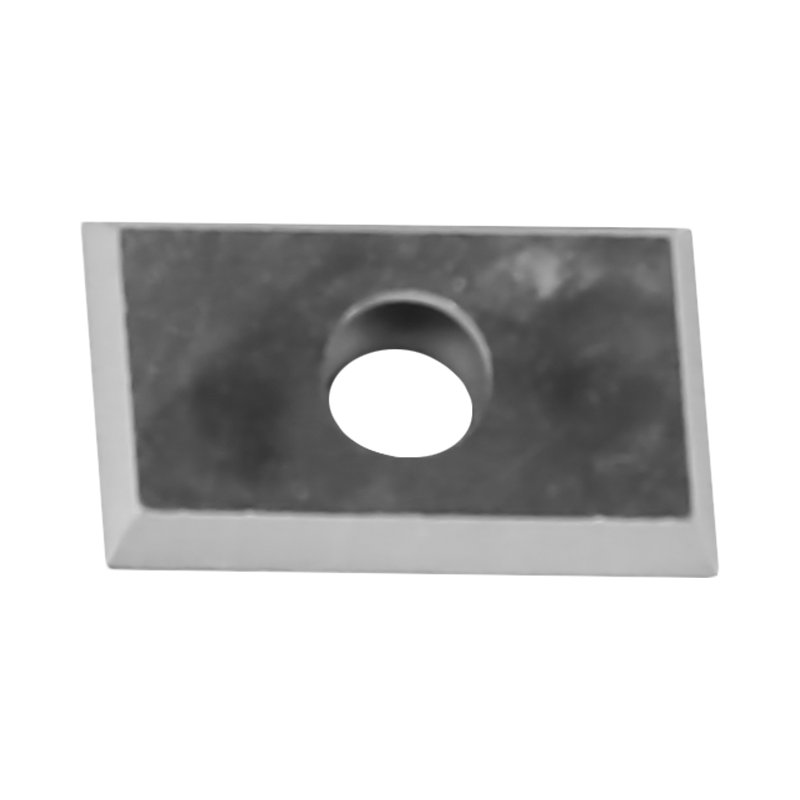
Tool wear remains a consistent concern in metal cutting operations, especially when machining hardened steels, stainless alloys, and abrasive materials. Cutting tools are exposed to high thermal loads, intermittent impact forces, and frictional stress, all of which gradually reduce edge sharpness and dimensional accuracy
In many production lines, frequent tool replacement can interrupt workflow planning and increase idle time. Operators also face variations in surface finish quality when tool wear progresses unevenly. These issues have driven demand for carbide-based solutions and modular insert systems that allow easier maintenance and more controlled wear management.
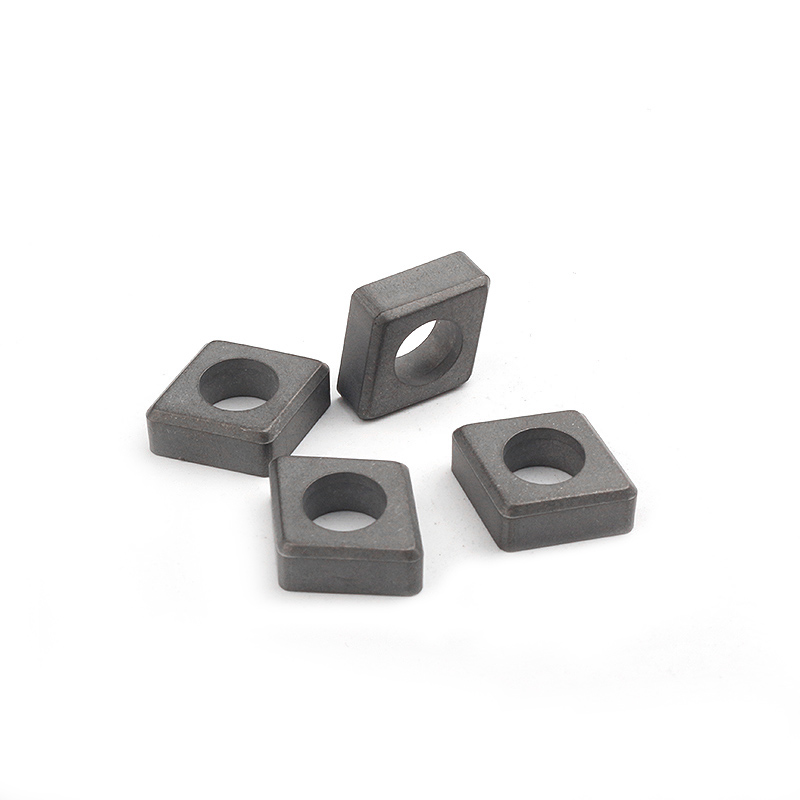
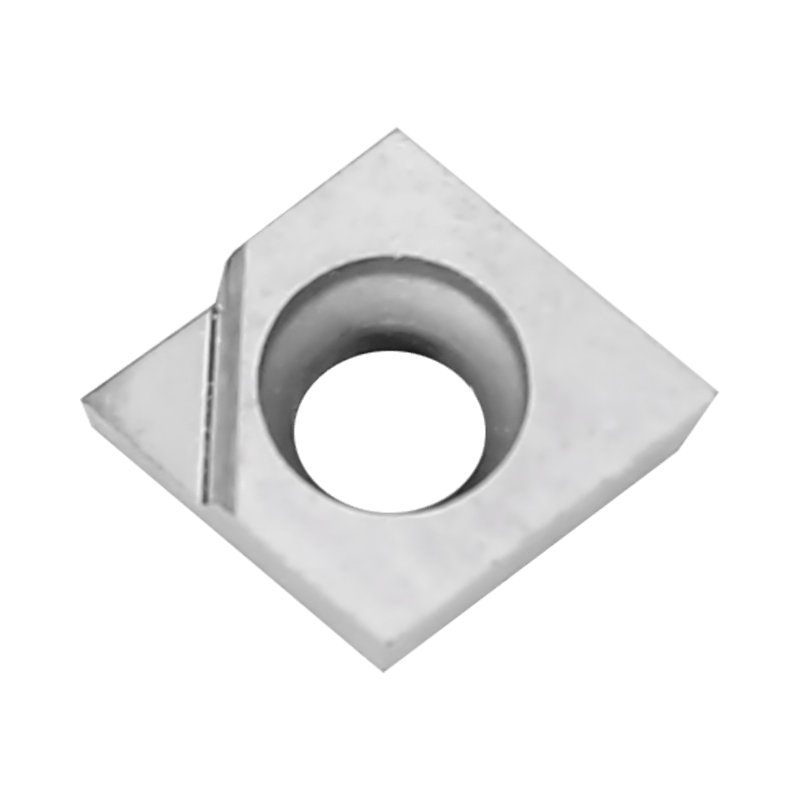
Tungsten carbide materials are widely used because of their hardness and structural stability under elevated temperatures. At the same time, indexable insert systems have become more common due to their replaceable cutting edges, which reduce the need to discard entire tool bodies.
Recent developments in tungsten carbide production and insert manufacturing have focused on refining internal grain distribution, binder ratios, and coating compatibility. These adjustments aim to improve resistance against edge chipping and thermal cracking during continuous cutting cycles.
Indexable insert systems are also evolving in terms of chipbreaker geometry and seating accuracy. Improved locking mechanisms help maintain consistent positioning under vibration and load variations. In combination, these changes support longer usable cutting cycles without frequent tool body replacement.
Key technical aspects include:
These modifications do not eliminate tool wear, but they help distribute stress more evenly and allow operators to manage wear patterns in a more predictable manner.
Tungsten carbide tools and indexable inserts are applied across a wide range of machining environments, where material hardness and production volume vary significantly. Their use is not limited to a single sector but extends into several industrial categories.
In automotive component production, carbide-based turning inserts are commonly used for machining crankshafts, brake discs, and transmission parts. These components require consistent dimensional control across repeated cycles. In aerospace machining, titanium and nickel alloys introduce additional cutting resistance, making insert stability and heat resistance important considerations.
General mechanical workshops also use indexable systems for milling steel structures, pipe fittings, and mold components. In these environments, quick insert replacement reduces downtime between production batches. Tool holders designed for indexable inserts allow operators to switch cutting edges without full tool disassembly, which supports workflow continuity.
Other application areas include:
Across these fields, the combination of carbide tooling and modular inserts supports flexible production planning without requiring major changes in machine setup.
In machining environments where tungsten carbide tools and indexable inserts are used together, operators often track wear progression through edge inspection intervals. Instead of replacing entire tool assemblies, worn inserts are rotated or replaced individually, which helps maintain production flow consistency.
For example, in a mid-volume machining workshop producing steel housings, insert replacement cycles were adjusted based on cutting depth and feed rate conditions. After switching to carbide-based inserts with refined chip control geometry, operators reported more predictable wear patterns across similar machining batches.
In another case involving stainless steel pipe machining, tool holders equipped with indexable inserts showed reduced variation in surface finish between early and later production runs. The change was linked to improved insert stability rather than changes in machine settings.
While results vary depending on machining conditions, the introduction of structured insert systems generally allows maintenance teams to plan tool changes with greater scheduling flexibility.
 2th Zhengde Road, Furong Town Industrial Zone, Yueqing City, Wenzhou City, Zhejiang, China
 +86-18368755111 / +86-57762299177
 +86-57762298133
 2528647427@qq.com
Copyright © Zhejiang Yueqing Yueyu Alloy Material Co., Ltd. All Rights Reserved.
Wholesale Carbide Tips Manufacturer