English
 عربى
Industry News
Home / News / Industry News / Carbide Non-Slip Pin Applications in Automated Fixtures and Precision Machining

2026-11-20
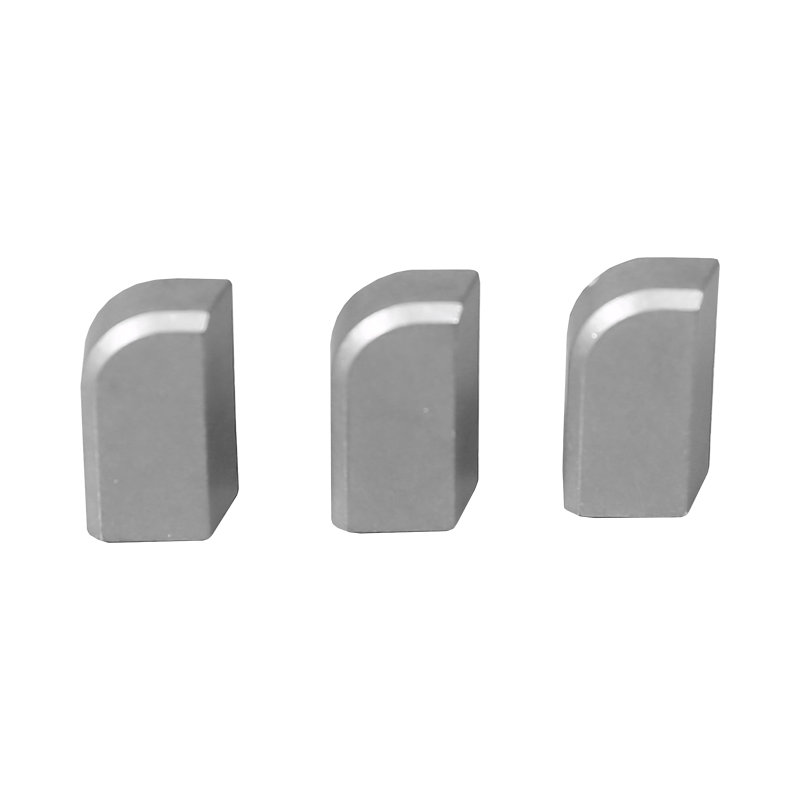
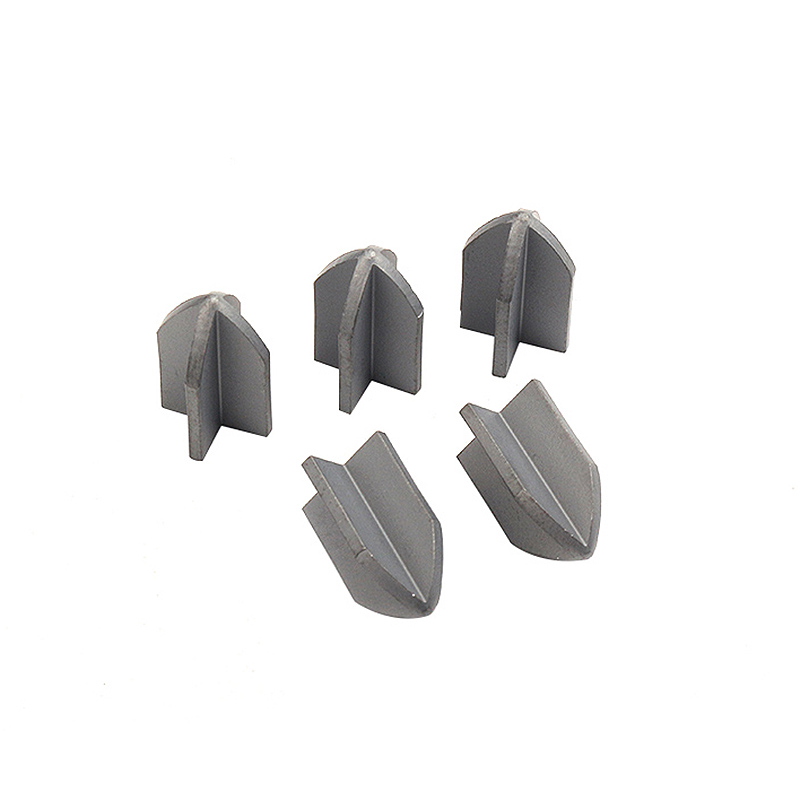
As automated production lines handle more repeated machining and assembly tasks, fixture reliability has become an important concern for equipment engineers. Small positioning components must withstand continuous contact while keeping workpieces securely located. If a pin loses its grip or develops uneven wear, the resulting movement can affect machining consistency and increase equipment adjustment requirements. A Carbide Non-Slip Pin provides a practical option for applications requiring stable contact, wear resistance, and consistent mechanical positioning.
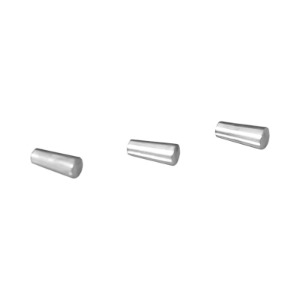
Workpiece movement is a common challenge in fixture design. Cutting forces, vibration, and repeated clamping can gradually affect the contact between positioning components and the workpiece.
A non-slip pin helps improve mechanical engagement through its contact surface design. This is particularly relevant in fixtures where workpieces need to remain in a consistent position throughout repeated operations.
Engineers should assess the direction of applied forces, contact area, and fixture structure before choosing a suitable pin configuration.
The material used in a positioning pin influences its resistance to wear and its suitability for demanding working conditions. Cemented carbide is valued in industrial tooling for its hardness and resistance to abrasive contact.
Compared with conventional tool steels, carbide can provide longer-lasting wear performance in suitable applications. However, it is also important to consider impact loads and installation stress, as excessive mechanical shock may cause chipping or damage.
Selecting the appropriate carbide grade is therefore essential for balancing durability and application requirements.
The non-slip function depends not only on material hardness but also on the pin's surface geometry. Different contact structures can produce different levels of mechanical engagement.
When evaluating a Carbide Non-Slip Pin, engineers should pay attention to:
These details help ensure that the pin provides suitable contact without interfering with the workpiece or surrounding fixture components.
Frequent fixture adjustments can interrupt production and increase maintenance workloads. Worn positioning surfaces, loose mounting conditions, and accumulated machining debris are common factors behind unstable contact.
Regular inspection can help identify these issues before they affect production. Operators should check for surface damage, dimensional changes, loose fittings, and abnormal contact marks.
Replacing worn pins according to actual operating conditions helps maintain fixture consistency and reduces the risk of unexpected positioning problems.
For customized carbide components, manufacturing accuracy is closely related to final application performance. Diameter, length, surface grinding, and contact geometry all need to match the intended fixture design.
As a carbide component manufacturer, we pay attention to material selection, machining processes, dimensional inspection, and surface quality. Buyers can provide technical drawings, required tolerances, and application details to support specification evaluation before production.
This approach helps reduce compatibility issues when introducing custom components into existing tooling systems.
Purchasing teams should establish technical requirements before requesting quotations. In addition to product dimensions, several details deserve attention:
Providing complete information helps manufacturers assess production feasibility and recommend suitable configurations.
Reliable fixture performance comes from matching material properties, surface structure, and installation conditions to actual production needs. When conventional positioning components experience frequent wear or insufficient grip, upgrading the contact design may help address recurring problems. A properly specified Carbide Non-Slip Pin can support stable workpiece positioning, consistent machining operations, and more manageable fixture maintenance.
 2th Zhengde Road, Furong Town Industrial Zone, Yueqing City, Wenzhou City, Zhejiang, China
 +86-18368755111 / +86-57762299177
 +86-57762298133
 2528647427@qq.com
Copyright © Zhejiang Yueqing Yueyu Alloy Material Co., Ltd. All Rights Reserved.
Wholesale Carbide Tips Manufacturer