English
 عربى
Industry News
Home / News / Industry News / Carbide Non-Slip Pin Design Helps Improve Grip and Stability in Precision Manufacturing

2026-11-06
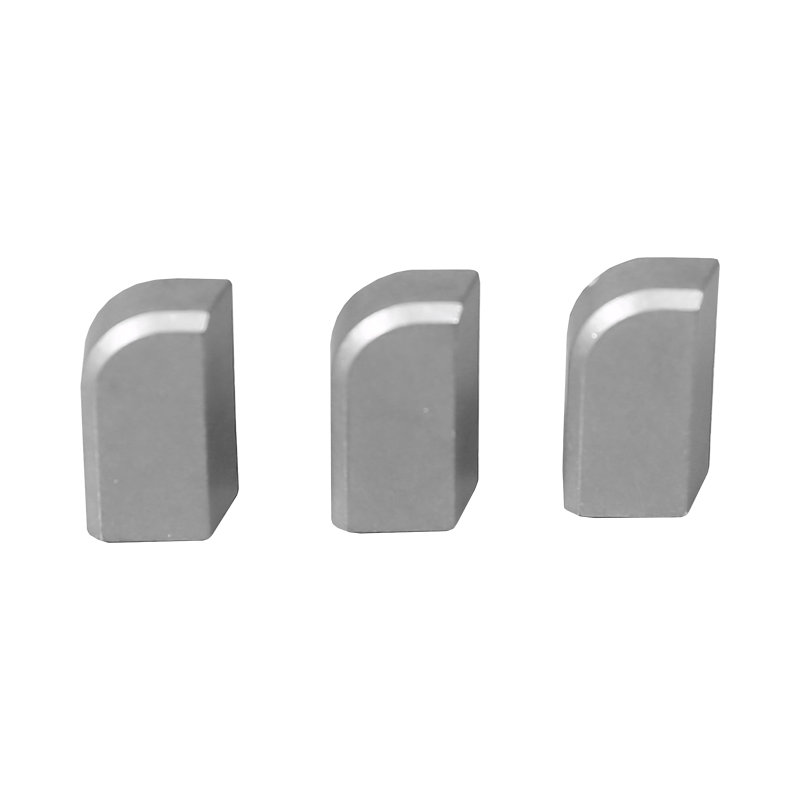
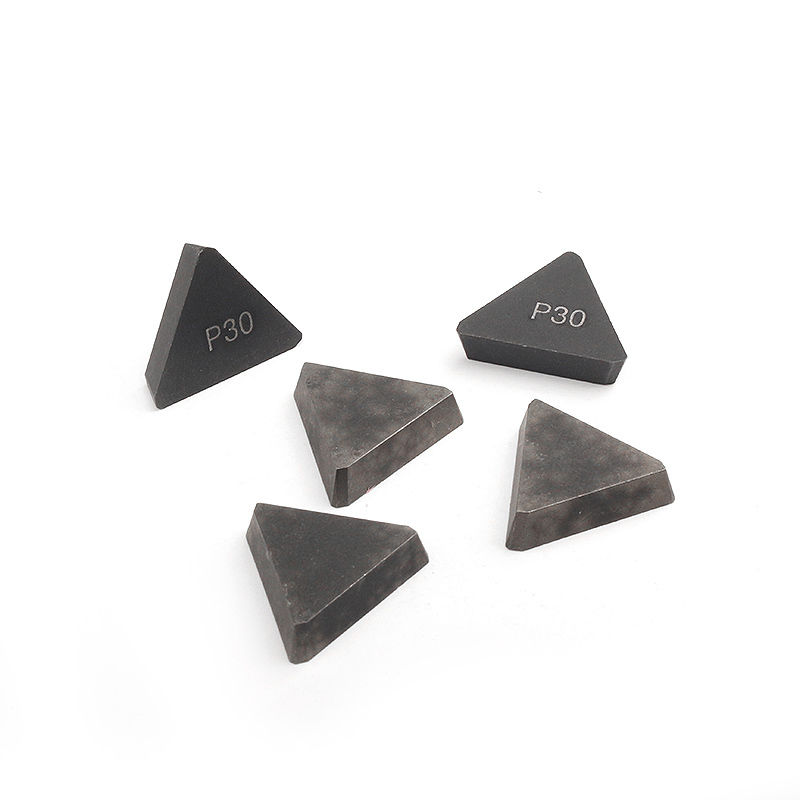
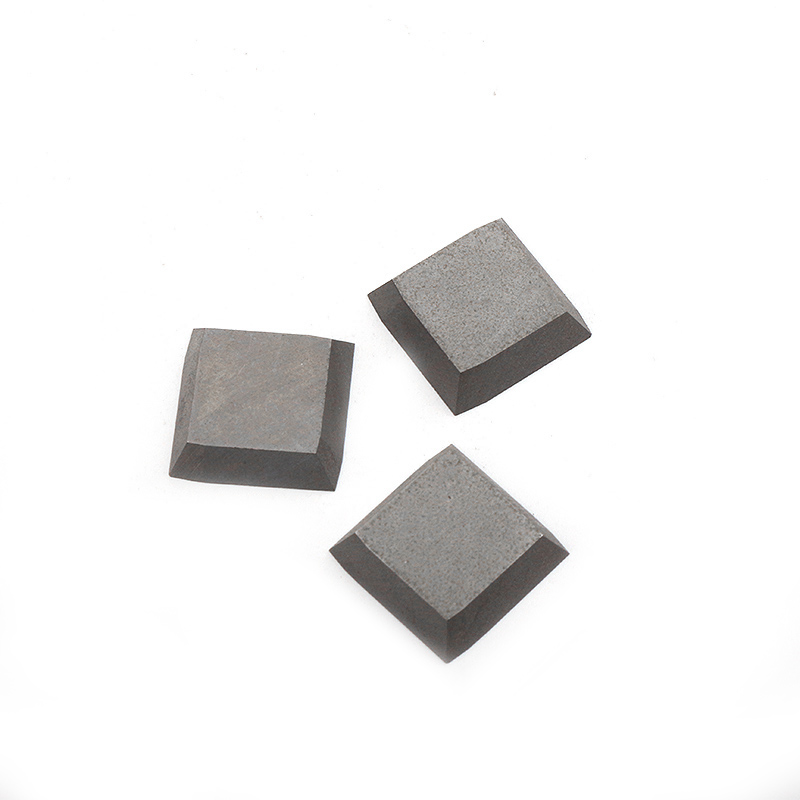
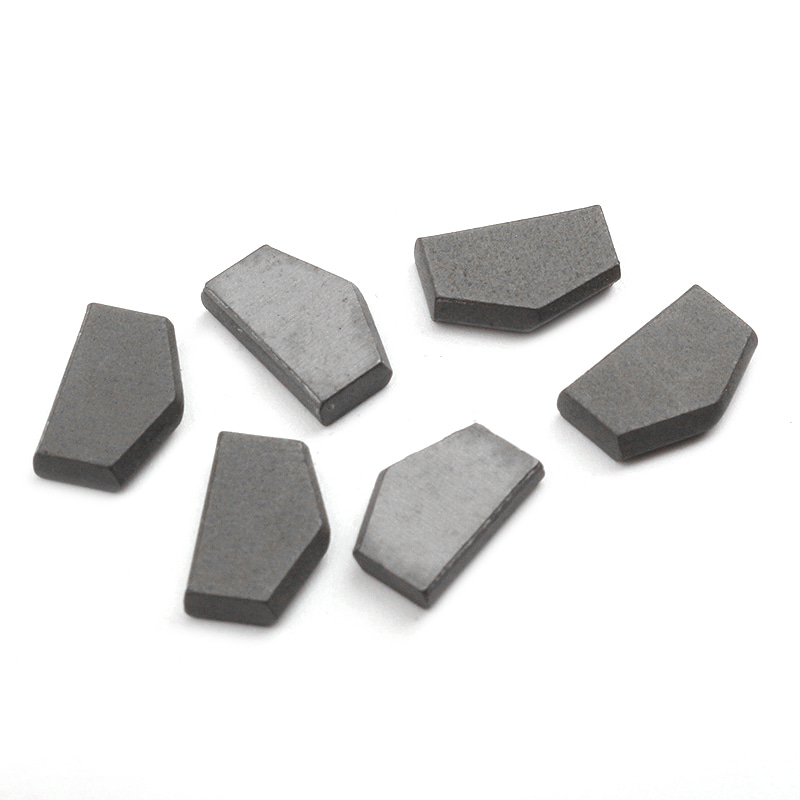
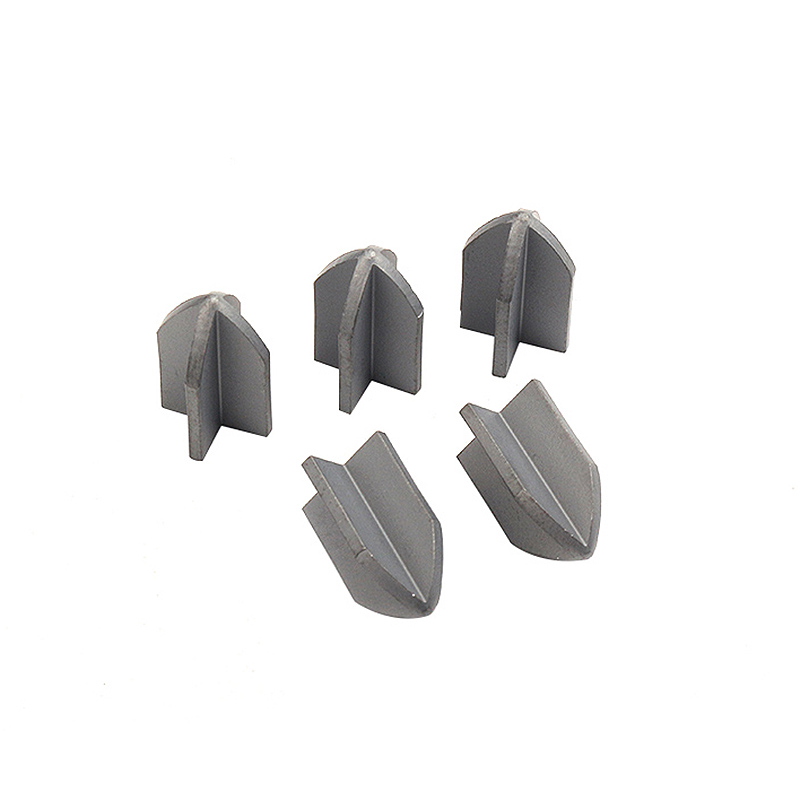
As automated production and precision machining become more common, manufacturers are paying closer attention to the small components that influence equipment stability. A Carbide Non-Slip Pin plays an important role in applications where secure positioning, repeated contact, and resistance to surface wear are required. However, pin movement, loose fitting, and gradual surface deterioration can still affect production consistency. For engineers and industrial buyers, understanding material selection, pin design, and installation requirements is essential when choosing a suitable carbide positioning solution.
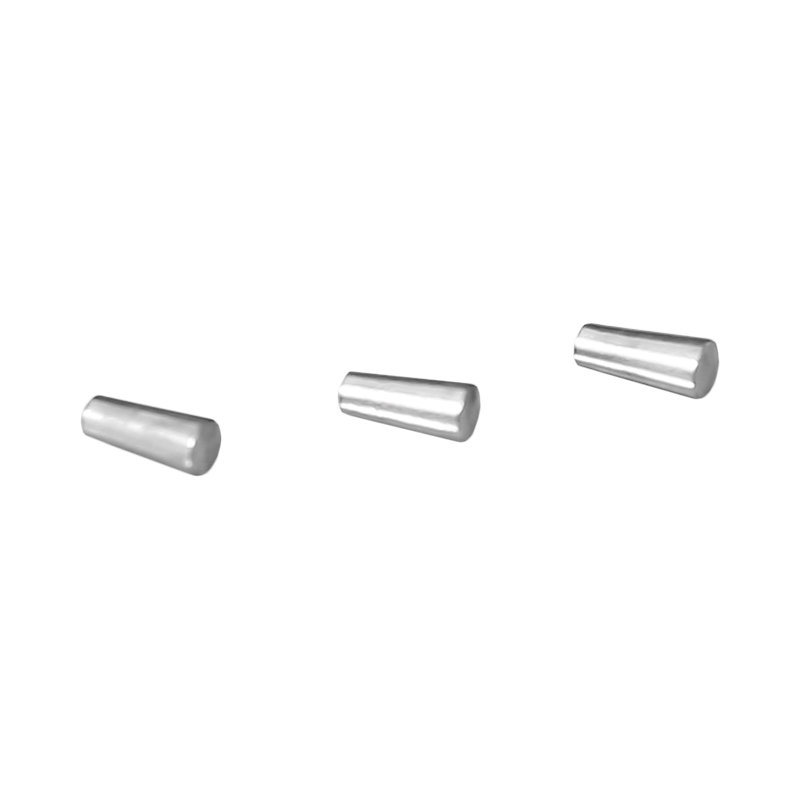
In CNC machining, mold processing, stamping, and automated assembly, positioning components are frequently exposed to vibration, friction, and mechanical pressure. Conventional pins may gradually lose their original surface condition, creating unwanted movement between connected components.
This can lead to several practical problems:
A properly designed non-slip pin helps maintain secure contact and supports more stable fixture operation.
Material selection directly influences the working performance of industrial positioning components. Tungsten carbide is widely used in precision tooling because of its hardness, wear resistance, and dimensional stability.
Compared with conventional steel components, carbide pins are suitable for applications involving repeated friction and concentrated contact pressure. Their resistance to surface deterioration helps maintain the working geometry of the pin over extended production cycles.
For manufacturers, this means material selection should consider not only initial component costs but also maintenance requirements and replacement frequency.
A non-slip function depends on more than material hardness. Contact geometry, surface treatment, and structural design also influence how securely a pin engages with its installation position.
When developing a Carbide Non-Slip Pin, engineers should consider the following factors:
These details help prevent unnecessary movement without compromising the surrounding fixture structure.
Choosing a carbide pin based only on its diameter or overall dimensions may result in an unsuitable fit. Different production environments involve different contact forces, operating cycles, and installation requirements.
Before placing an order, purchasing teams and engineers should evaluate the application, including the required pin dimensions, carbide grade, tolerance, contact structure, and operating environment.
Providing drawings or samples during the selection process can also help suppliers understand the actual requirements and reduce communication problems during product development.
Even wear-resistant components can experience performance problems when installed incorrectly. Excessive installation force, unsuitable mounting holes, and poor alignment may create localized stress or damage.
We recommend checking the mounting position and dimensional compatibility before installation. During regular maintenance, operators should also inspect the contact area for unusual wear, looseness, or visible damage.
A suitable installation process helps protect both the carbide pin and the surrounding fixture components.
For overseas distributors, tooling companies, and industrial equipment manufacturers, supplier evaluation should go beyond a product quotation.
Important considerations include material consistency, dimensional inspection, machining accuracy, surface quality, and the ability to meet application-specific requirements. Technical communication is equally important, particularly when customized dimensions or special structural designs are involved.
As a carbide component manufacturer, we understand that small tooling parts can influence the reliability of an entire production process. Careful attention to product specifications and manufacturing quality helps customers select components that match their operating conditions.
As production systems continue to emphasize repeatability and equipment stability, reliable positioning components remain an important part of fixture design. A Carbide Non-Slip Pin offers a practical solution for applications requiring secure contact, wear resistance, and dimensional consistency. By considering material properties, surface structure, installation compatibility, and supplier quality, manufacturers can make more informed sourcing decisions and build more dependable tooling systems.
 2th Zhengde Road, Furong Town Industrial Zone, Yueqing City, Wenzhou City, Zhejiang, China
 +86-18368755111 / +86-57762299177
 +86-57762298133
 2528647427@qq.com
Copyright © Zhejiang Yueqing Yueyu Alloy Material Co., Ltd. All Rights Reserved.
Wholesale Carbide Tips Manufacturer