English
 عربى
Industry News
Home / News / Industry News / Reducing Carbide Welding Blade Wear Through Better Cutting Parameter Control

2026-10-26
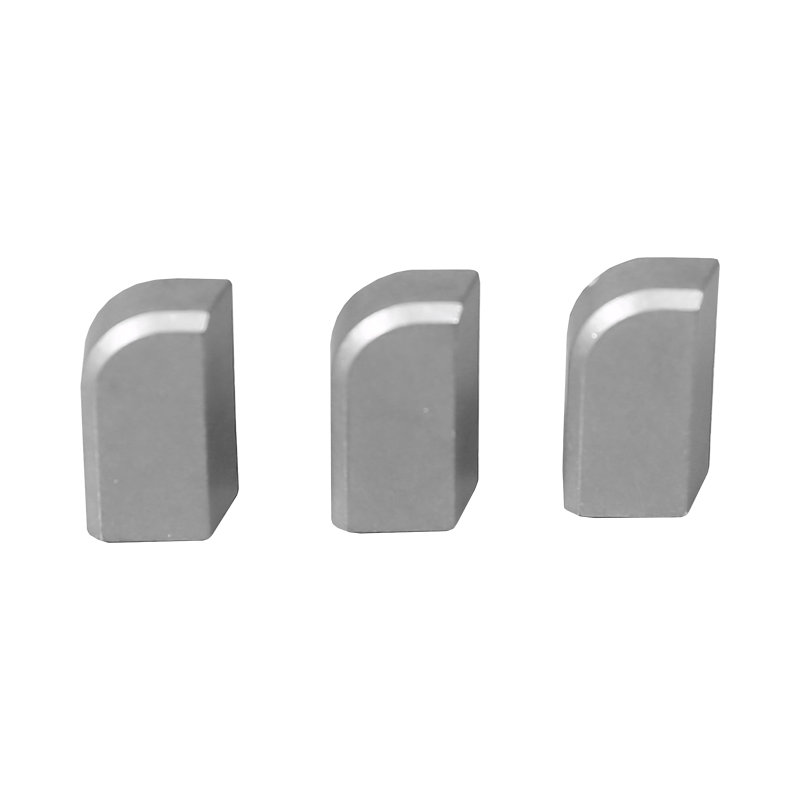
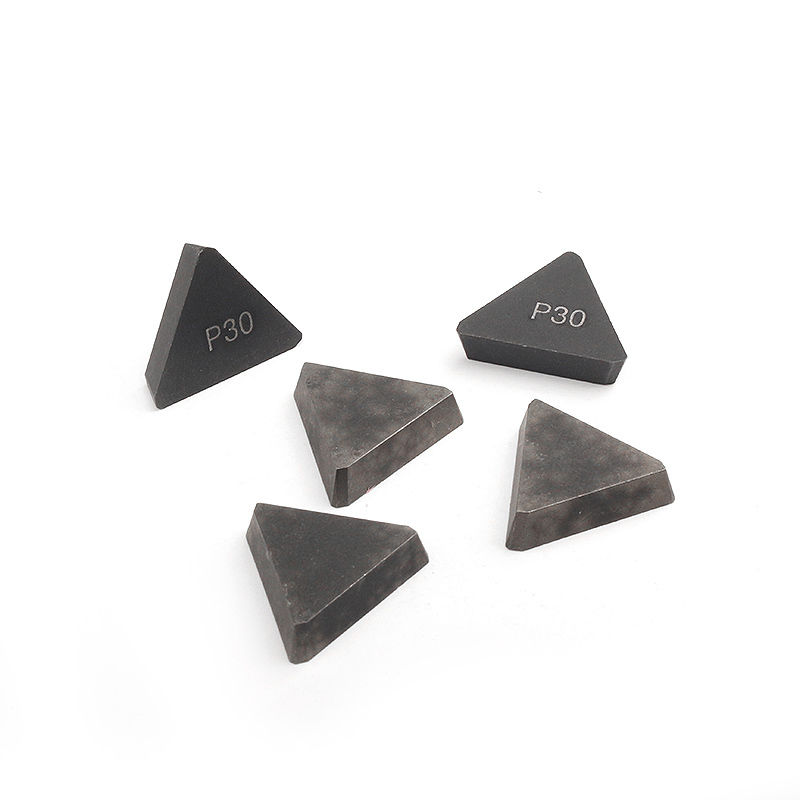
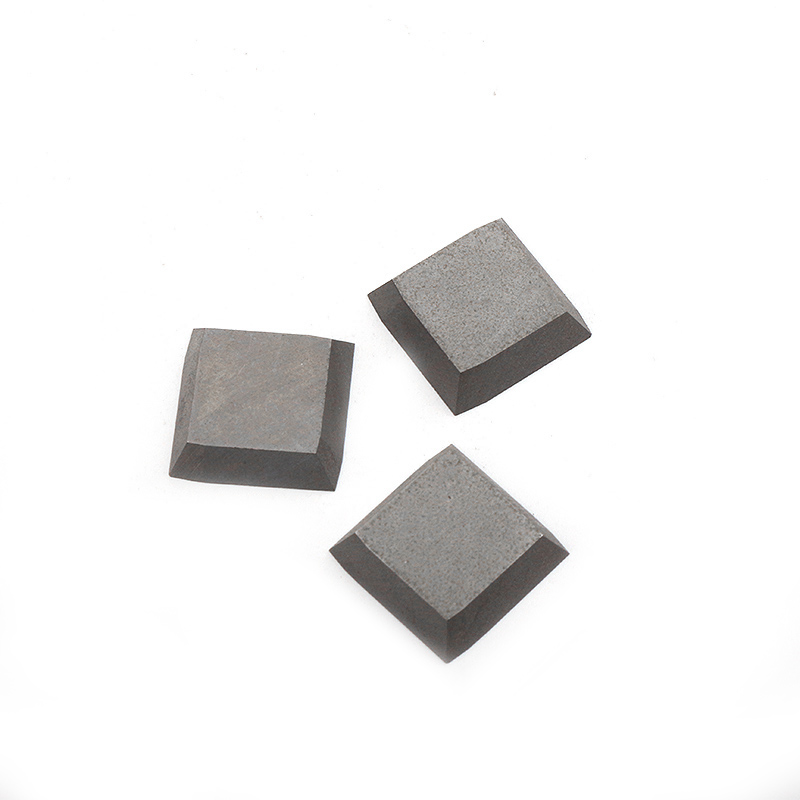
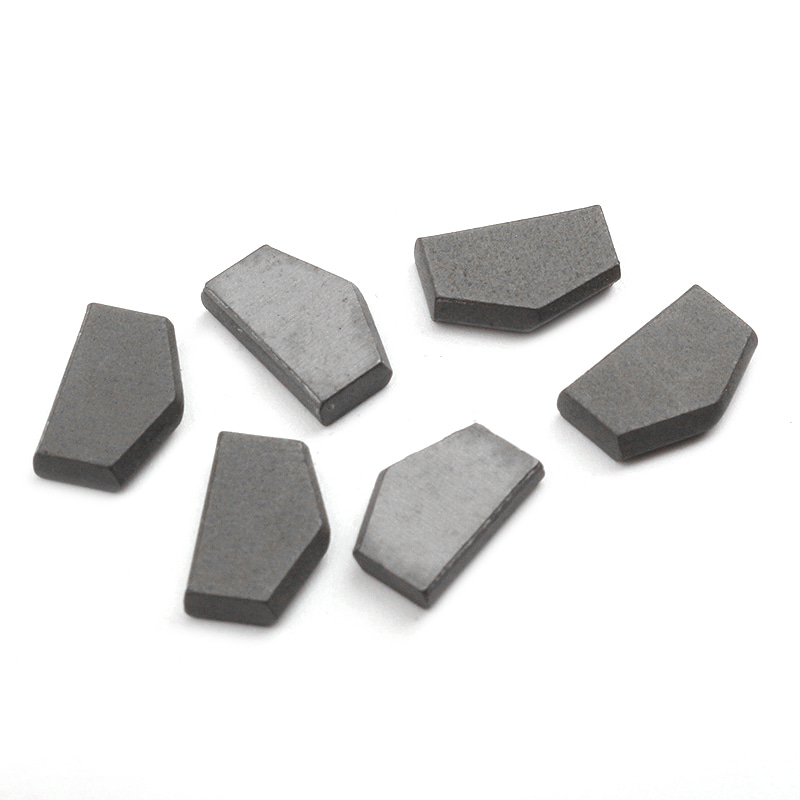
Premature tool wear can disrupt production schedules, increase replacement costs, and create inconsistencies in finished components. For industrial users, a carbide welding blade may show signs of damage even when its material quality and brazed joint are satisfactory. In many cases, the underlying causes include unsuitable feed rates, excessive cutting speed, poor chip evacuation, or machine vibration. Understanding these factors helps manufacturers and maintenance teams improve cutting stability and get more value from their tooling investment.

Cutting speed and feed rate directly influence the load and heat generated at the cutting edge. Excessive speed can accelerate wear, while an unsuitable feed rate may cause rubbing, chipping, or unstable cutting conditions. The correct settings depend on the workpiece material, blade geometry, carbide grade, and machine capability.
Operators should begin with the cutting parameters recommended for the specific application and adjust them systematically when performance problems occur. Changing several settings simultaneously makes it difficult to identify the cause of improvement or deterioration.
When evaluating a carbide welding blade, record the original settings alongside cutting quality, operating time, and visible edge wear. These records provide a practical starting point for future adjustments.
Not all blade damage requires the same corrective action. Abrasive wear gradually removes material from the cutting edge, whereas chipping produces localized fractures that may develop more suddenly.
Common warning signs include:
These symptoms are useful diagnostic clues rather than definitive proof of a single failure cause. Examining the blade together with machine settings and workpiece conditions helps prevent unnecessary replacement without correcting the problem.
Machine vibration can increase localized stress on the cutting edge and brazed joint. Loose fixtures, worn holders, excessive blade projection, and unstable workpiece clamping may all contribute to inconsistent cutting.
Before switching to a different carbide grade, inspect the complete tool setup. Confirm that mounting surfaces are clean, fasteners are secure, and the blade is aligned according to the equipment manufacturer's instructions. Check the workholding system for movement during operation.
If vibration persists, review machine condition, cutting parameters, and tool geometry. Improving system rigidity may provide more benefit than selecting a harder carbide material that is not suited to the actual cutting load.
Accumulated chips can interfere with cutting, scratch finished surfaces, and contribute to localized heat buildup. The effect depends on the workpiece, cutting method, blade design, and available chip-clearance space.
Operators should check whether chips are being removed efficiently and whether the cutting area remains free from obstruction. Where coolant is required, verify that the fluid type, delivery method, and maintenance condition are appropriate for the application. Dry-cutting operations should follow the blade manufacturer's recommendations rather than adopting coolant practices designed for other processes.
Stable thermal conditions help support predictable wear, but coolant alone cannot compensate for incorrect cutting parameters or inadequate machine rigidity.
Replacing a blade only after cutting quality deteriorates can result in rejected components or unplanned downtime. A more controlled approach combines routine inspection with production records.
Maintenance teams can track operating hours, processed material, dimensional results, edge condition, and replacement reasons. When wear patterns are consistent, these records help establish an appropriate inspection interval. If failures occur unpredictably, investigate changes in material batches, machine setup, and operating parameters.
Regrinding should follow the specified procedure for the blade design. Excessive material removal or overheating during grinding can damage the cutting edge and reduce the remaining usable material.
When wear remains excessive despite stable operating conditions, consult the manufacturer with specific evidence. Photographs of the damaged edge, workpiece details, machine specifications, cutting parameters, and service records are more useful than a general report that the blade wears too quickly.
As a manufacturer, we recommend evaluating carbide grade, cutting geometry, steel body support, and brazing requirements as a complete system. This allows potential design adjustments to be considered in relation to the actual application rather than relying on isolated material changes.
Extending tool life requires coordinated control of blade selection, machine setup, operating parameters, and maintenance. By identifying the cause of wear before changing specifications, industrial users can make more informed decisions and reduce avoidable production interruptions. A correctly specified carbide welding blade, supported by suitable cutting conditions and regular inspection, provides a practical foundation for stable performance and more predictable tooling costs.
 2th Zhengde Road, Furong Town Industrial Zone, Yueqing City, Wenzhou City, Zhejiang, China
 +86-18368755111 / +86-57762299177
 +86-57762298133
 2528647427@qq.com
Copyright © Zhejiang Yueqing Yueyu Alloy Material Co., Ltd. All Rights Reserved.
Wholesale Carbide Tips Manufacturer