English
 عربى
عربى
Industry News

2026-10-02
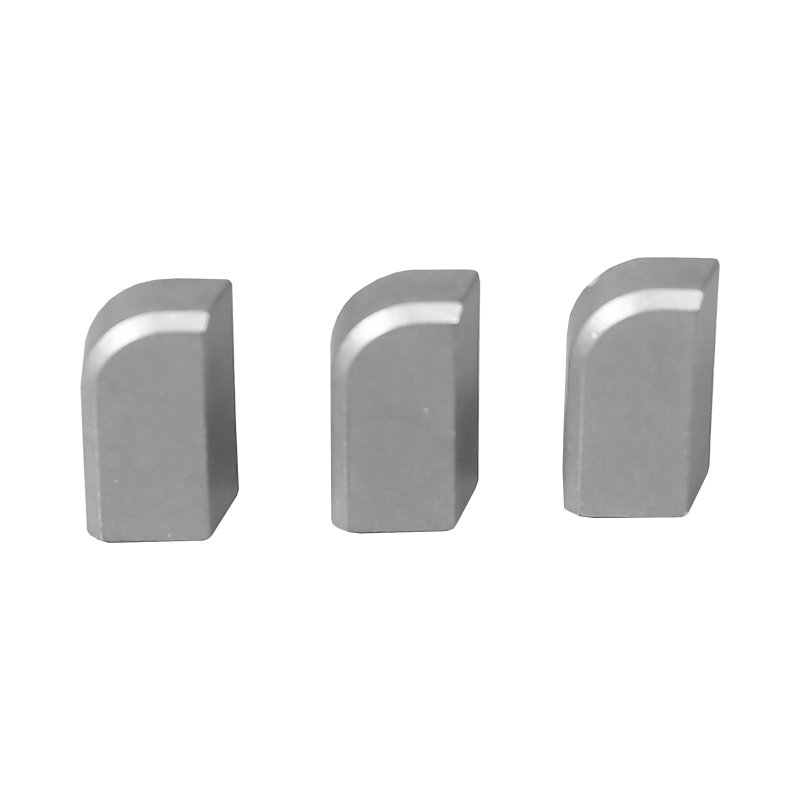
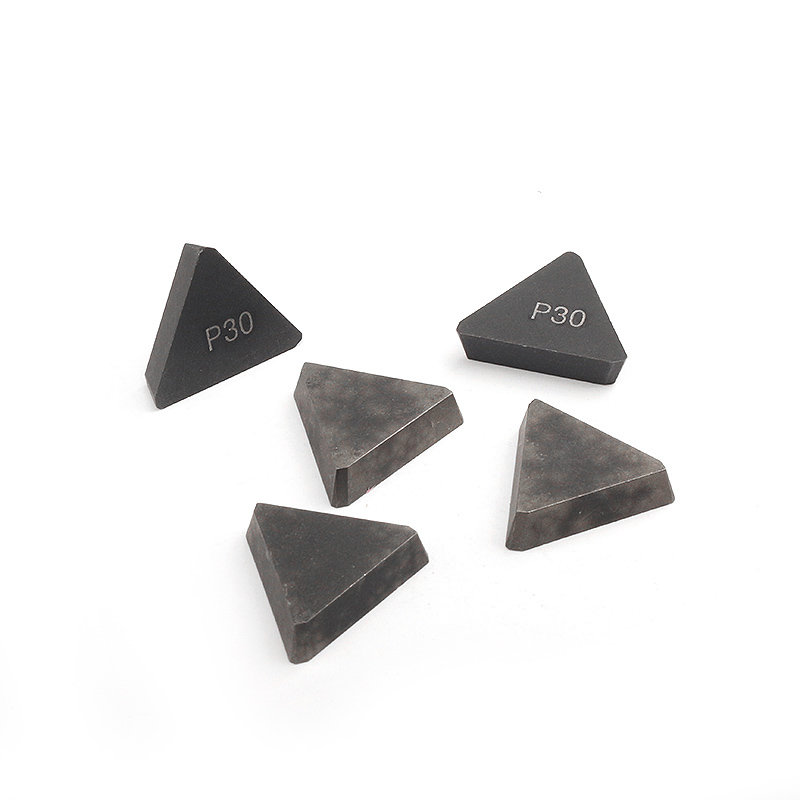
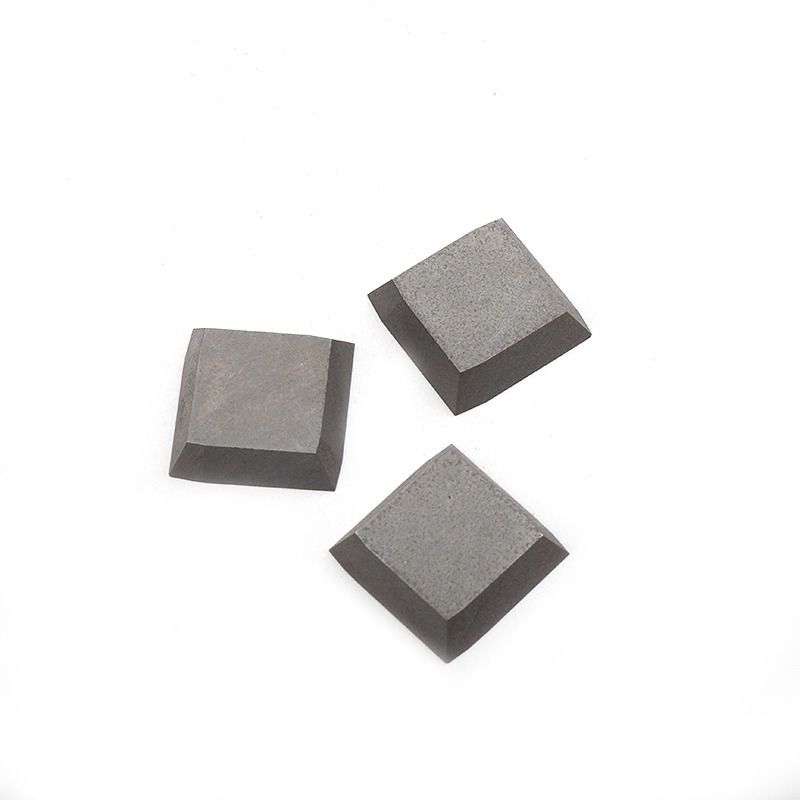
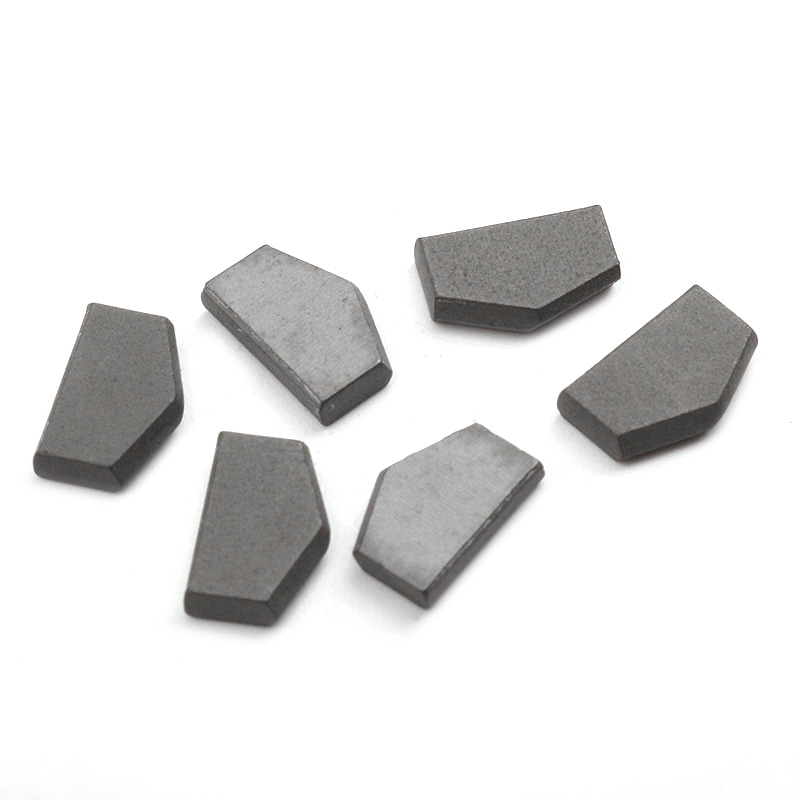
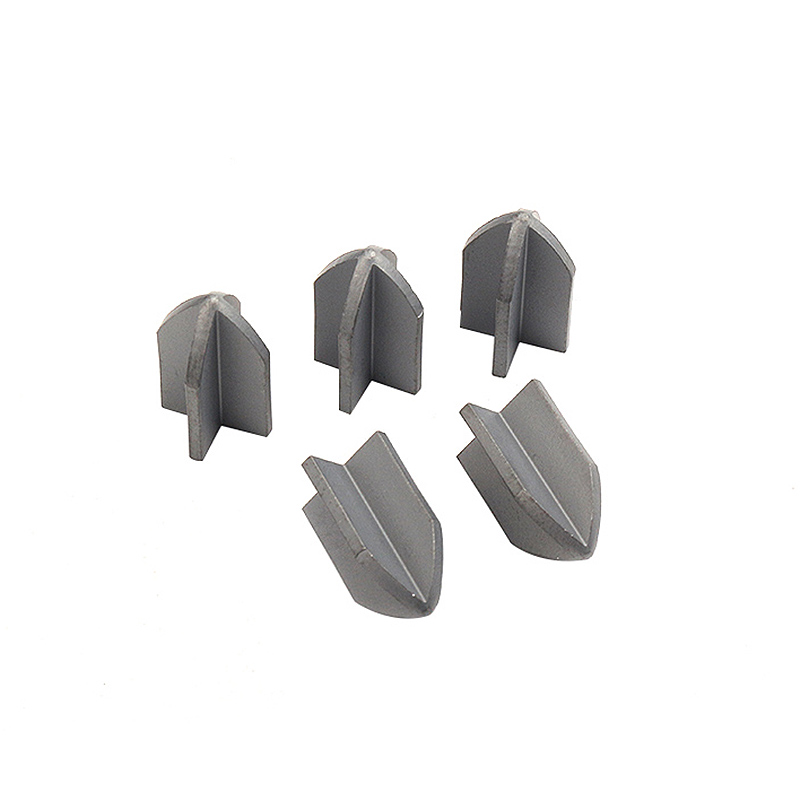
In precision machining, small locating and holding components can have a noticeable effect on process consistency. As manufacturers work with tighter part tolerances, repeated fixture movement, surface wear, and unreliable contact points can create avoidable production issues. A properly designed Carbide Non-Slip Pin provides a practical option for applications where stable positioning and resistance to repeated mechanical contact are important.
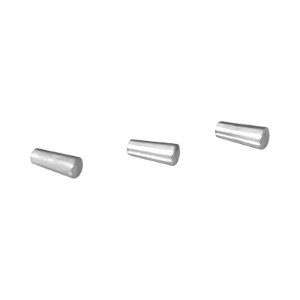
Workholding problems do not always come from the main clamping system. A locating point may gradually wear, a contact surface may become damaged, or repeated loading can reduce positioning consistency. These issues are especially relevant in CNC machining, stamping, mold processing, and other operations where components are repeatedly loaded and removed.
For engineers, the key concern is maintaining reliable contact between the fixture and workpiece without adding unnecessary complexity to the setup. Carbide locating and anti-slip components can be considered when conventional steel contact points experience excessive wear.
Cemented carbide is widely used in industrial tooling because its combination of hardness and wear resistance suits demanding contact conditions. Research and industrial tooling applications continue to examine carbide wear behavior as machining environments become more demanding.
For a non-slip pin, this material characteristic is useful when the component repeatedly contacts a workpiece or fixture surface. Instead of treating the pin as a simple fastener, engineers can view it as a functional wear component within the workholding system.
A carbide non-slip locating pin should be selected according to the actual fixture structure rather than treated as a universal replacement part. Important considerations include:
A suitable geometry helps the pin maintain effective contact while fitting naturally into the existing fixture design.
When a fixture operates continuously, small contact surfaces can experience repeated friction and impact. If the locating component wears unevenly, operators may need more frequent adjustments or replacement, which can interrupt production.
Using carbide for selected contact points can help address this specific maintenance concern. The objective is not simply to use a harder material, but to place wear-resistant components where repeated mechanical contact makes the greatest difference to fixture reliability.
For manufacturers producing carbide pins, material selection is only one part of the process. Consistent grinding, dimensional control, edge treatment, and inspection are also important because a locating pin must fit the mating fixture accurately.
Modern carbide tooling production increasingly combines precision grinding with controlled inspection processes. Manufacturers serving OEM customers can also develop customized geometries for different workholding requirements rather than limiting buyers to standard configurations.
Different machining lines often require different pin dimensions, contact profiles, and installation methods. This makes customization valuable for equipment builders, fixture manufacturers, and industrial buyers developing dedicated production systems.
As a carbide component manufacturer, we can work from drawings, samples, or application requirements to determine an appropriate pin structure. The focus is on matching the component to the fixture instead of forcing an existing standard part into an unsuitable application.
For engineers dealing with recurring fixture wear, inconsistent positioning, or frequent replacement of contact components, reviewing the locating points can be a useful starting point. A Carbide Non-Slip Pin can serve as a wear-resistant contact solution where repeated positioning and mechanical loading place higher demands on conventional pins. Careful geometry selection, controlled carbide processing, and application-specific manufacturing can help buyers build more dependable workholding systems without unnecessarily redesigning the entire fixture.
 2th Zhengde Road, Furong Town Industrial Zone, Yueqing City, Wenzhou City, Zhejiang, China
 +86-18368755111 / +86-57762299177
 +86-57762298133
 2528647427@qq.com
Copyright © Zhejiang Yueqing Yueyu Alloy Material Co., Ltd. All Rights Reserved.
Wholesale Carbide Tips Manufacturer