English
 عربى
عربى
Industry News

2026-06-12
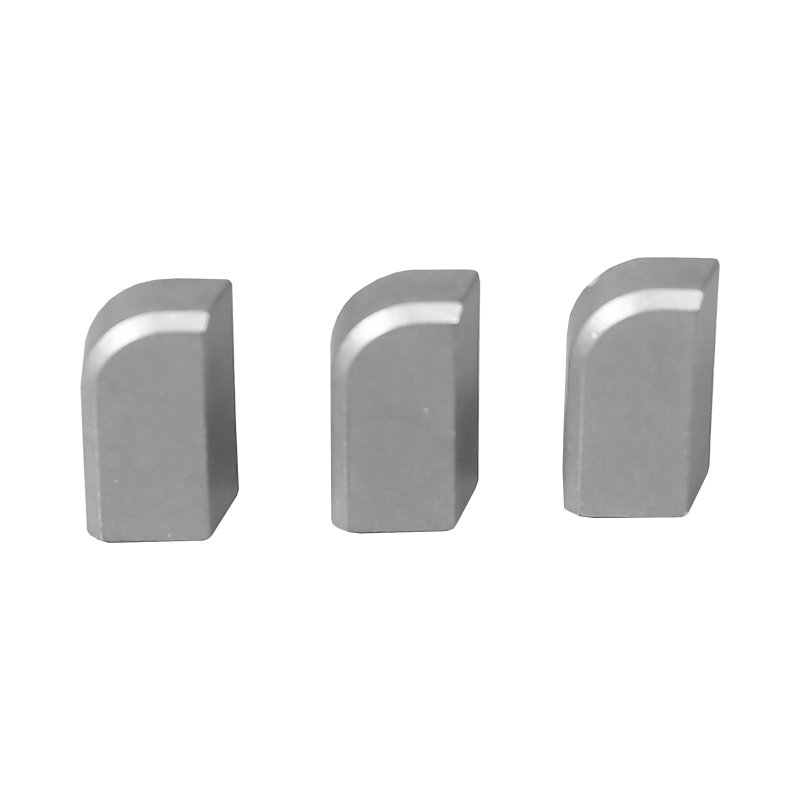
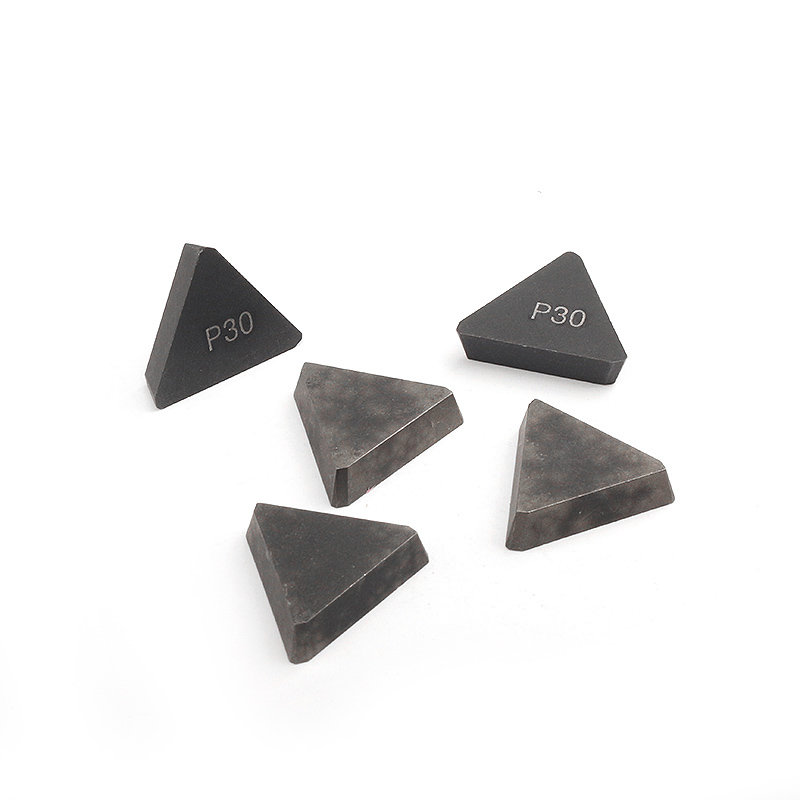
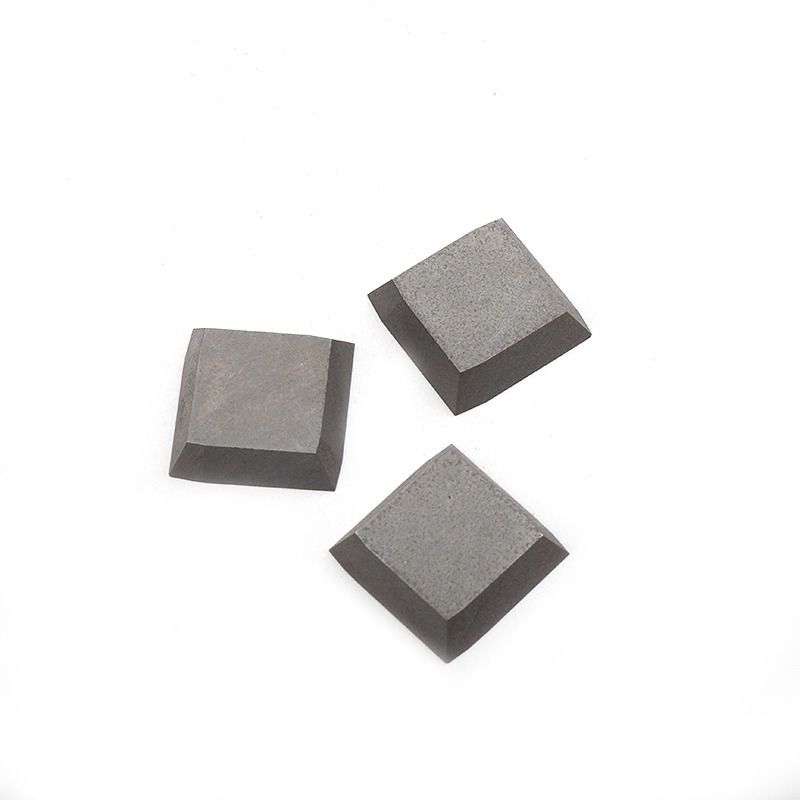
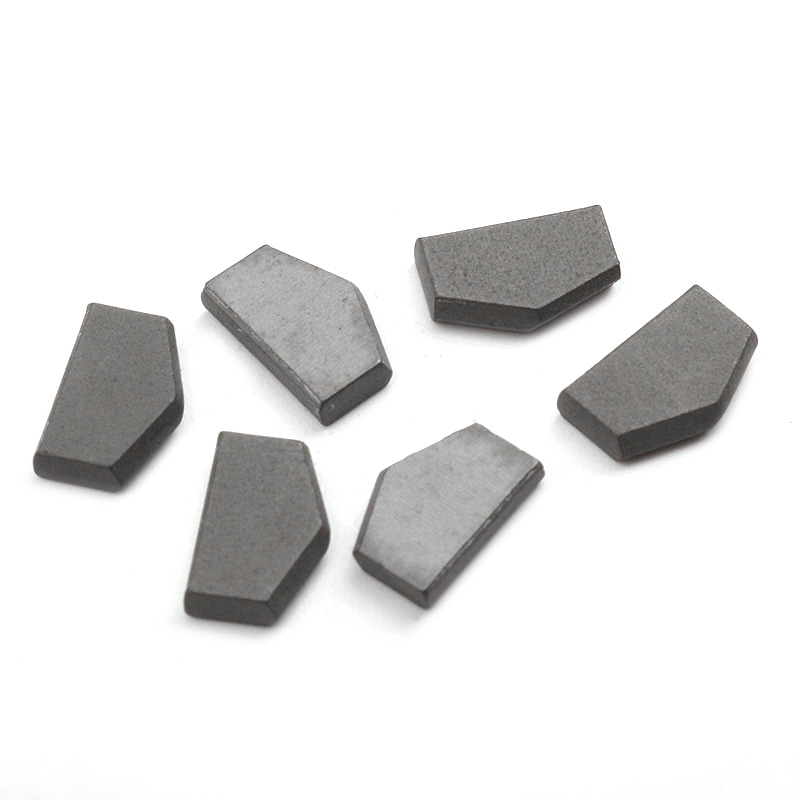
Industrial equipment is often exposed to continuous operation, repeated contact, and demanding working conditions. Under these circumstances, component durability becomes an important consideration for maintaining stable production. Carbide Non-Slip Pin products are widely used in positioning and fixture systems because of their wear-resistant characteristics and dimensional stability. Similar requirements can also be found in an Indexable Insert Factory, where production accuracy depends on reliable tooling and fixture components.
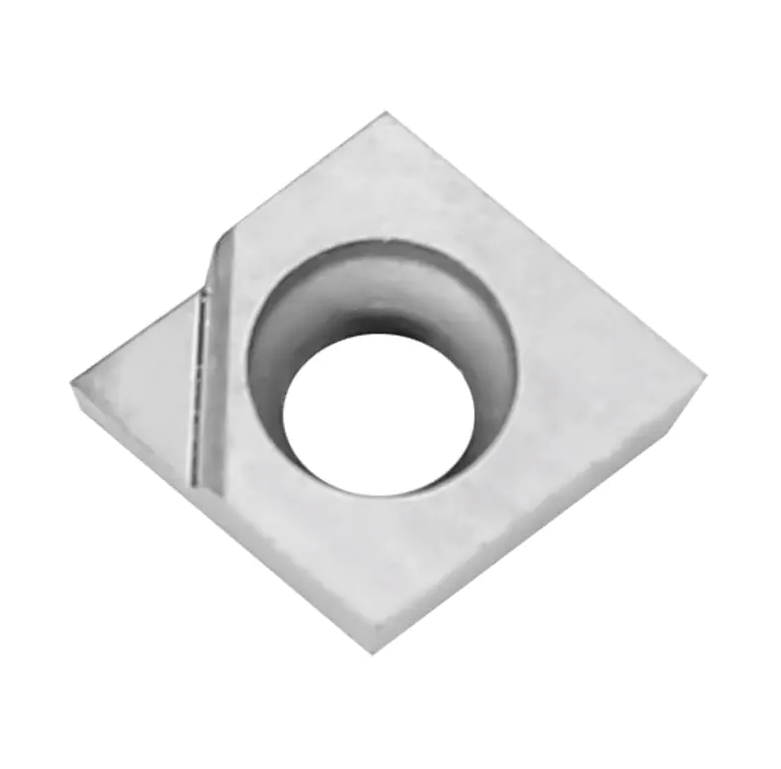
Why Wear Resistance Matters
Locating pins play a key role in keeping workpieces accurately positioned during machining, assembly, and inspection processes. As production cycles increase, conventional positioning components may gradually experience surface wear, affecting fixture accuracy and consistency.
Common causes of wear include:
Repeated insertion and removal
Friction between mating parts
Mechanical pressure during operation
Exposure to abrasive materials
When wear affects a locating pin, alignment accuracy may decline, resulting in additional maintenance and adjustment work.
Advantages of Carbide Materials
A Carbide Non-Slip Pin is designed to withstand demanding industrial environments where long-term dimensional consistency is required.
High Hardness
Carbide materials offer strong resistance to abrasion and surface damage. This helps maintain the original dimensions of the pin during repeated use.
Stable Positioning Performance
Because carbide resists deformation, it can continue to provide accurate positioning throughout many production cycles.
Reduced Surface Deterioration
Maintaining a stable surface condition supports reliable engagement between fixture components and workpieces, helping improve overall fixture performance.
Benefits for Manufacturing Operations
Wear-resistant locating components can contribute to smoother production processes.
Longer Service Intervals
Durable positioning pins may require less frequent replacement compared with components that wear more quickly.
Consistent Fixture Accuracy
Stable dimensions help fixtures maintain alignment over time, supporting repeatable manufacturing results.
Improved Production Reliability
Reliable positioning reduces the likelihood of unexpected adjustments and helps keep operations running efficiently.
Common Industrial Applications
A Carbide Non-Slip Pin is used across many manufacturing sectors where positioning accuracy is important.
CNC Machining
Machining fixtures depend on accurate workpiece location. Wear-resistant pins help maintain fixture performance throughout repeated production runs.
Automotive Manufacturing
Production lines often involve large numbers of components moving through assembly and machining processes. Durable locating pins support stable positioning in these environments.
Aerospace Production
Aerospace applications frequently require precise alignment and consistent manufacturing procedures. Carbide pins help support these requirements.
Mold and Die Industry
Repeated tooling operations can accelerate component wear. Carbide locating solutions help maintain alignment and dimensional consistency.
The Connection to Indexable Insert Manufacturing
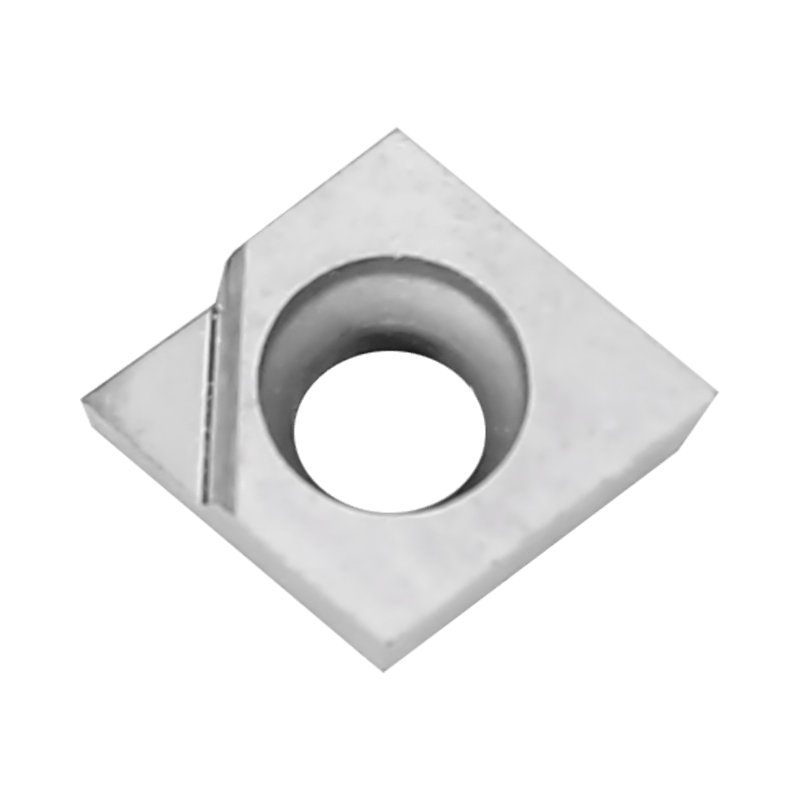
An Indexable Insert Factory also benefits from wear-resistant fixture components. Cutting insert production involves multiple stages, including pressing, grinding, coating, and inspection. Accurate positioning is important throughout these processes.
Reliable locating systems can support:
Consistent insert geometry
Stable manufacturing processes
Accurate dimensional control
Efficient quality inspections
For this reason, durable positioning components remain valuable in both fixture applications and cutting tool production environments.
Supporting Long-Term Manufacturing Stability
As manufacturers focus on consistency and process reliability, wear-resistant components continue to receive attention. A Carbide Non-Slip Pin helps maintain positioning accuracy through its hardness, dimensional stability, and resistance to surface wear. These characteristics make it suitable for a wide range of industrial applications where fixture performance directly influences production quality.
At the same time, an Indexable Insert Factory relies on similar principles of precision and durability to support efficient manufacturing processes. Reliable positioning systems and wear-resistant materials remain important elements in maintaining stable industrial operations.
 2th Zhengde Road, Furong Town Industrial Zone, Yueqing City, Wenzhou City, Zhejiang, China
 +86-18368755111 / +86-57762299177
 +86-57762298133
 2528647427@qq.com
Copyright © Zhejiang Yueqing Yueyu Alloy Material Co., Ltd. All Rights Reserved.
Wholesale Carbide Tips Manufacturer