English
 عربى
Industry News
Home / News / Industry News / Carbide Welding Blade Procurement: Key Factors for Custom Industrial Applications

2026-10-23
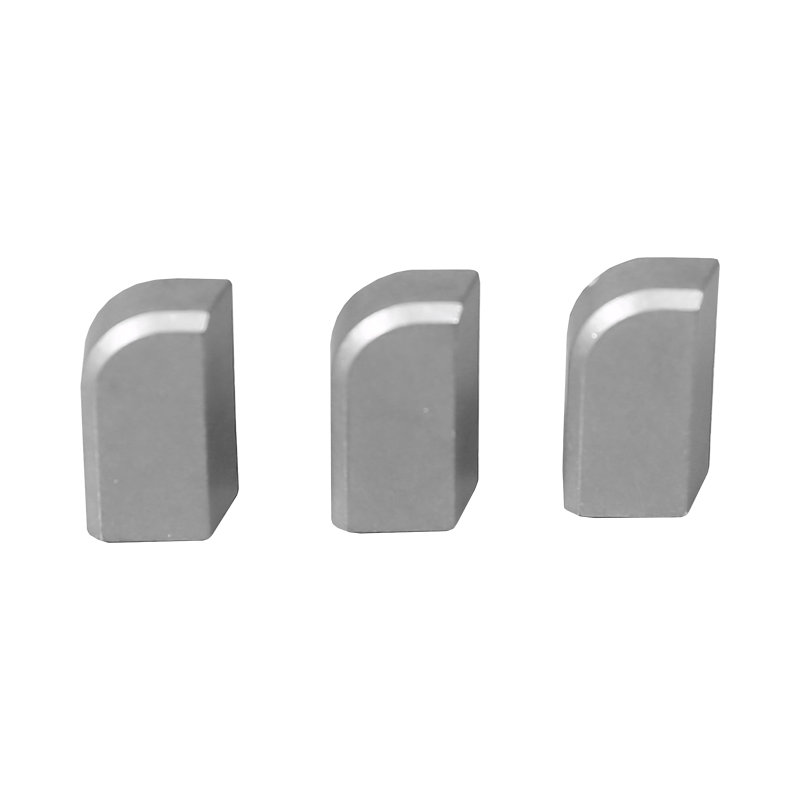
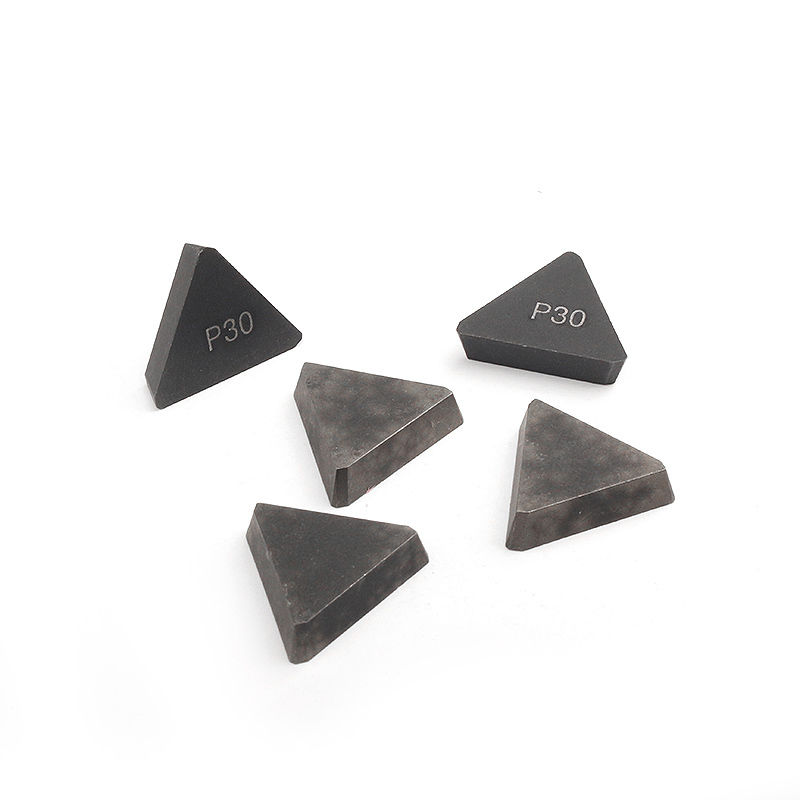
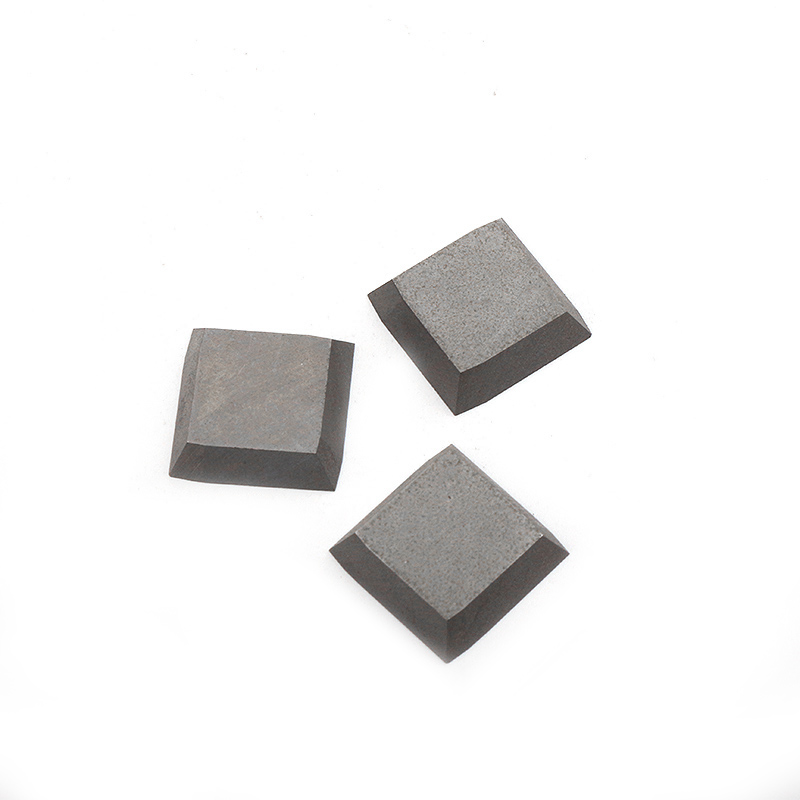
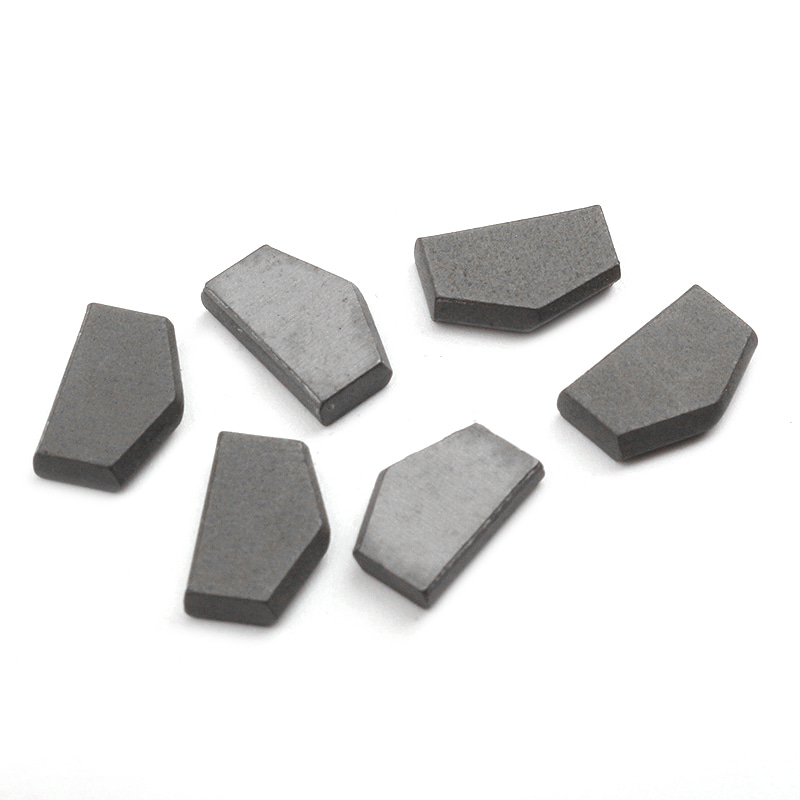
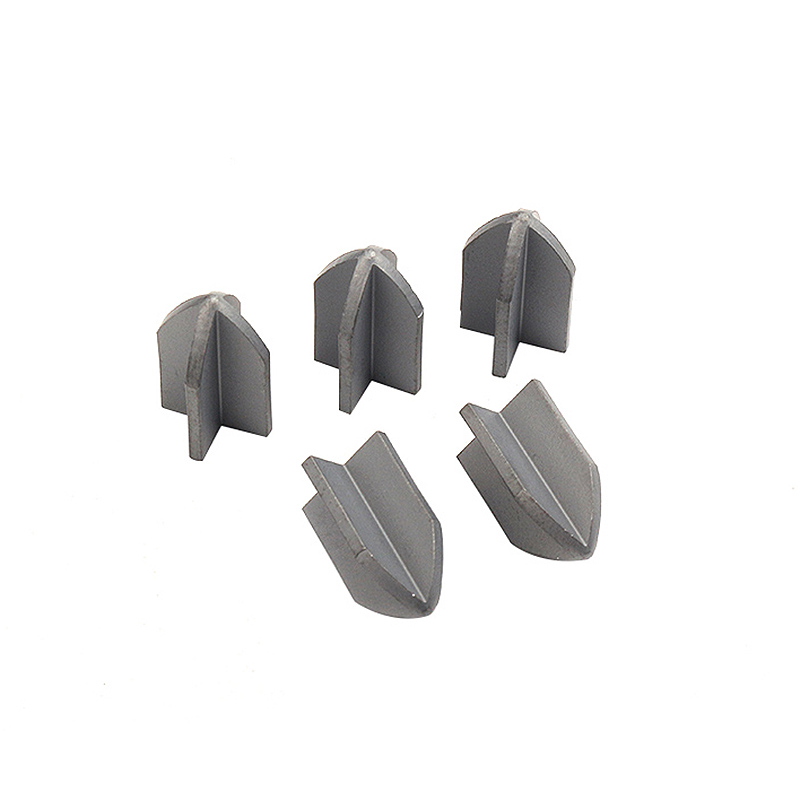
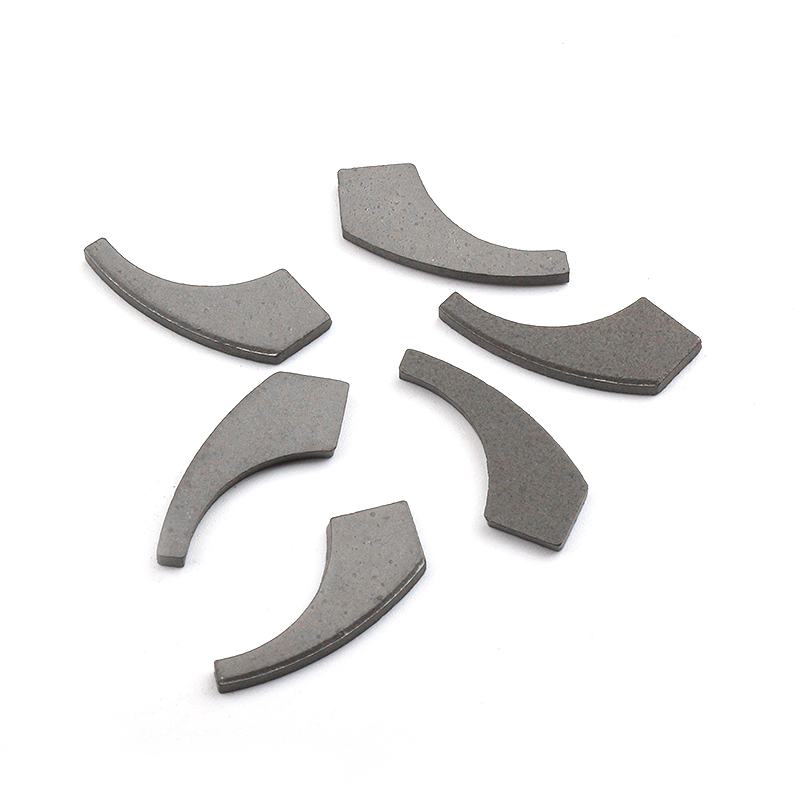
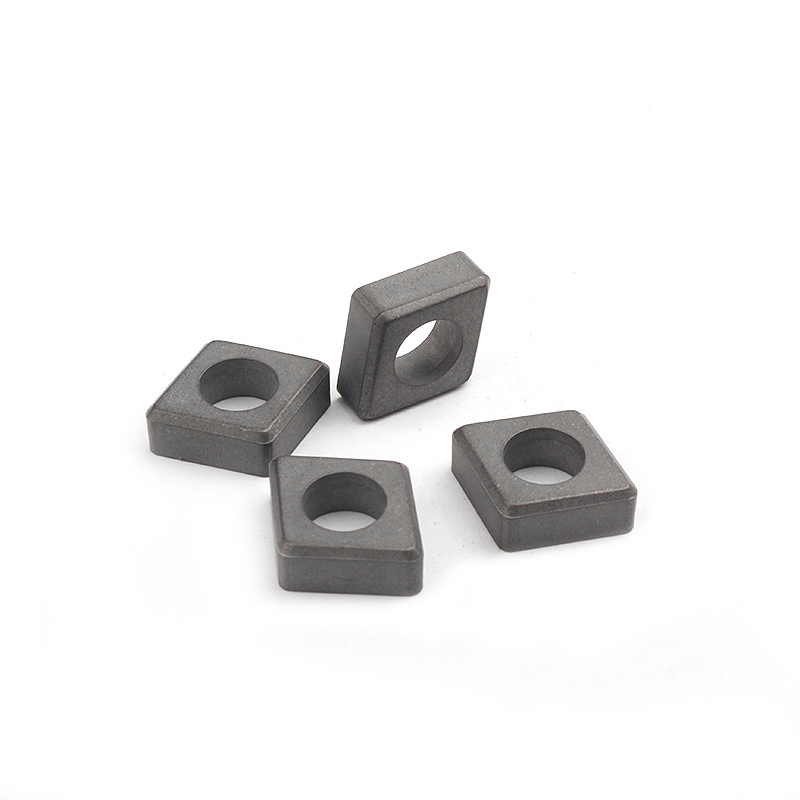
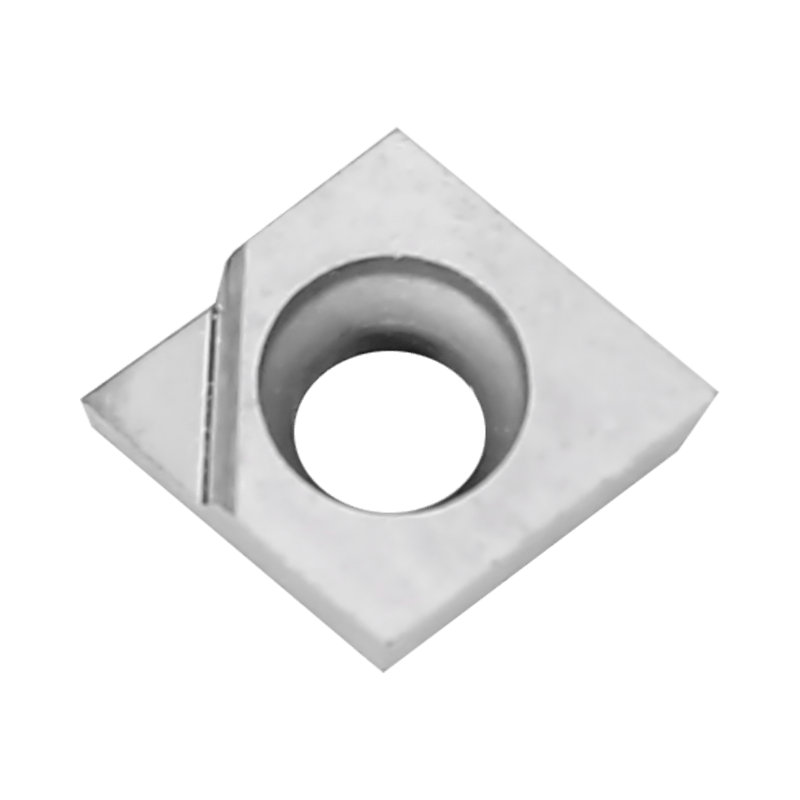
Choosing a Carbide Welding Blade for industrial production involves more than comparing dimensions and unit prices. Buyers need to consider cutting performance, joint reliability, material compatibility, and the consistency of each production batch. When a blade is used in repeated manufacturing operations, small differences in tip positioning or cutting geometry can affect finished-part quality and tool replacement frequency. A clear technical specification helps procurement teams communicate requirements effectively and select products suited to their equipment and operating conditions.

One common procurement challenge is providing insufficient technical information when requesting a customized blade. Without details about the intended application, manufacturers may struggle to recommend an appropriate carbide grade, blade profile, or bonding method.
Before requesting a quotation, prepare the following information:
These details give manufacturers a clearer basis for evaluating product suitability and reduce the risk of receiving blades that meet the drawing but fail to perform as expected.
A carbide welding blade combines a hard cutting material with a supporting body, and both components influence its performance. Carbide provides cutting-edge wear resistance, while the steel body supports the tip and transfers cutting forces to the tool structure.
Selecting carbide solely by hardness can lead to disappointing results when the application involves repeated impacts or interrupted cutting. A more balanced evaluation considers toughness, abrasion resistance, operating temperature, and the stability of the supporting structure.
Buyers should discuss the intended working conditions with the manufacturer rather than relying on a general material description. For customized orders, confirming the carbide grade and body material before production helps establish clear expectations for performance and quality control.
The brazed connection is a critical inspection point because the carbide tip must remain securely attached throughout the intended operating cycle. Inconsistent heating, contaminated bonding surfaces, or unsuitable filler materials can compromise joint reliability.
A practical supplier assessment should include questions about surface preparation, brazing process control, tip alignment, and final inspection procedures. Depending on the blade design and application, additional inspection methods may be appropriate to assess bonding quality.
Visual inspection alone cannot establish every aspect of joint integrity. Manufacturers should select suitable verification methods according to product requirements, applicable standards, and the consequences of failure in service.
For industrial buyers, dimensional accuracy matters particularly when carbide welding blades are installed in dedicated machinery or used in repeat production. Differences in overall dimensions, tip height, or cutting-edge position can affect installation, alignment, and finished-part consistency.
Before confirming an order, review the technical drawing and agree on critical tolerances. Ask how dimensions are measured, how inspection results are recorded, and how nonconforming products are handled.
For repeat orders, maintaining an approved drawing and consistent material specifications can simplify purchasing and reduce the risk of unintended changes between batches. These controls are especially useful for distributors and OEM customers managing multiple production locations.
Blade service life depends on the workpiece, cutting parameters, machine stability, and maintenance practices. A product that performs well in one application may wear differently under another set of conditions.
When comparing blade suppliers, use operating records wherever possible. Track cutting hours, production volume, edge wear, regrinding frequency, and the reasons for replacement. This information provides a more meaningful comparison than purchase price alone.
If a blade wears prematurely, review installation, alignment, feed settings, and material compatibility before concluding that the carbide grade is unsuitable. A manufacturer that can evaluate these variables may help identify practical adjustments to the blade specification or operating procedure.
Clear communication is essential when sourcing a custom carbide welding blade. Drawings, material requirements, inspection criteria, packaging details, and delivery expectations should be confirmed before production begins.
For international buyers, it is also useful to clarify whether the supplier can support repeat orders, provide technical documentation, and maintain consistent specifications. These considerations help procurement teams plan inventory more effectively and reduce avoidable delays caused by incomplete requirements.
A reliable purchasing decision balances technical suitability, manufacturing consistency, and total operating cost. By reviewing carbide grade, brazed joint quality, dimensional tolerances, and real-world cutting conditions, buyers can compare suppliers on factors that directly affect production. Working with a capable manufacturer to specify each carbide welding blade around the intended application helps establish a more dependable supply process and supports consistent industrial cutting performance.
 2th Zhengde Road, Furong Town Industrial Zone, Yueqing City, Wenzhou City, Zhejiang, China
 +86-18368755111 / +86-57762299177
 +86-57762298133
 2528647427@qq.com
Copyright © Zhejiang Yueqing Yueyu Alloy Material Co., Ltd. All Rights Reserved.
Wholesale Carbide Tips Manufacturer