English
 عربى
عربى
Industry News
Home / News / Industry News / How Does Carbide Welding Blade Reduce Energy Consumption During Cutting?

2025-12-05
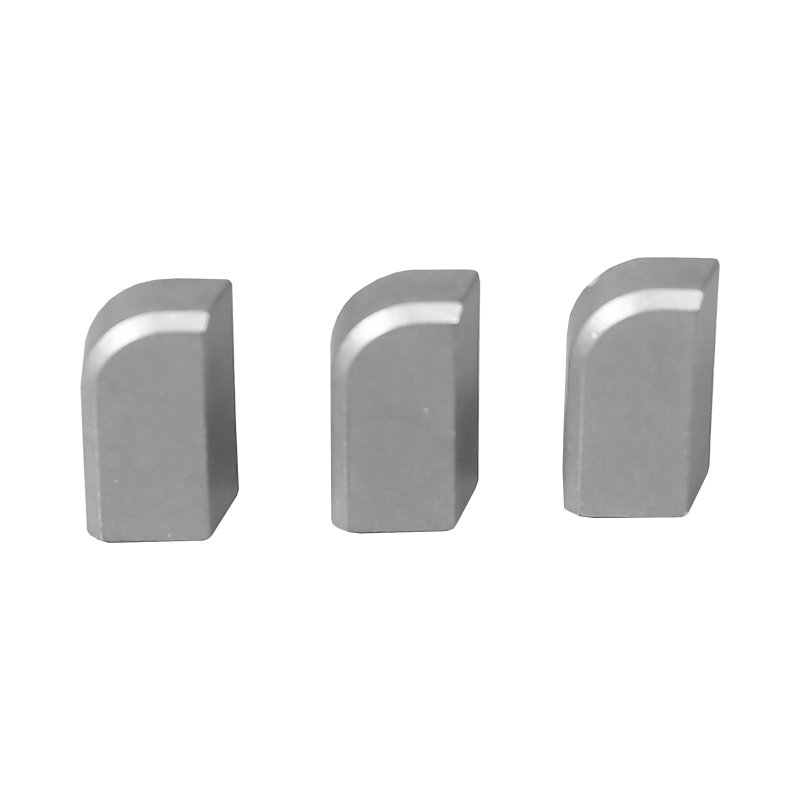
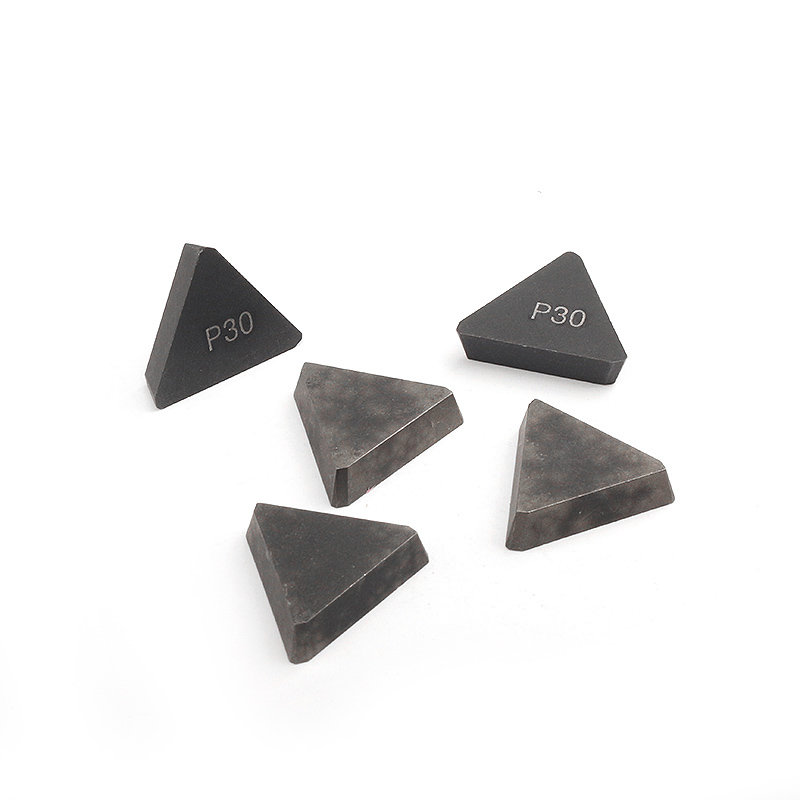
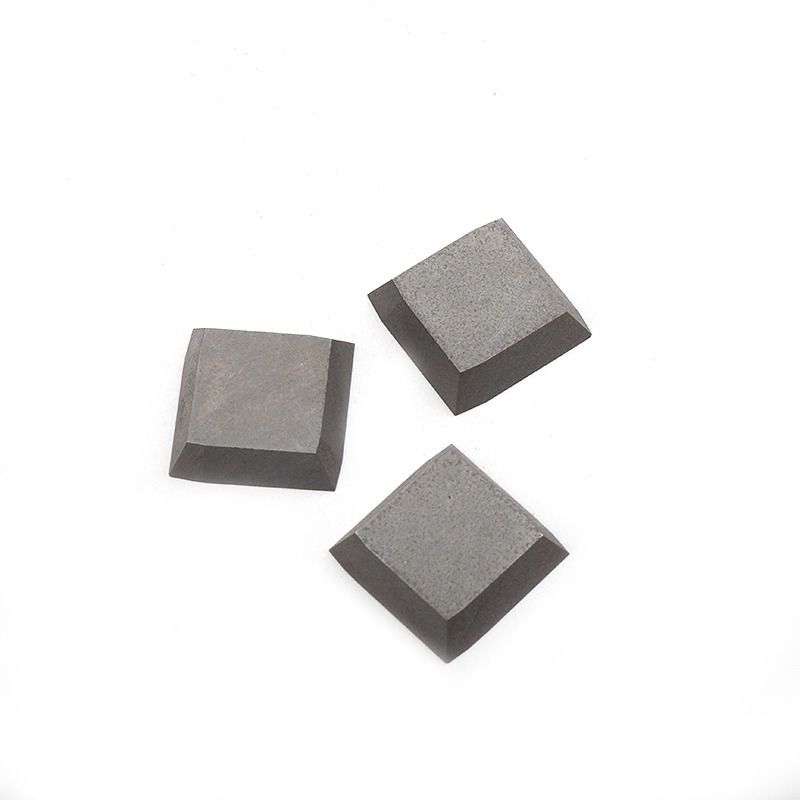
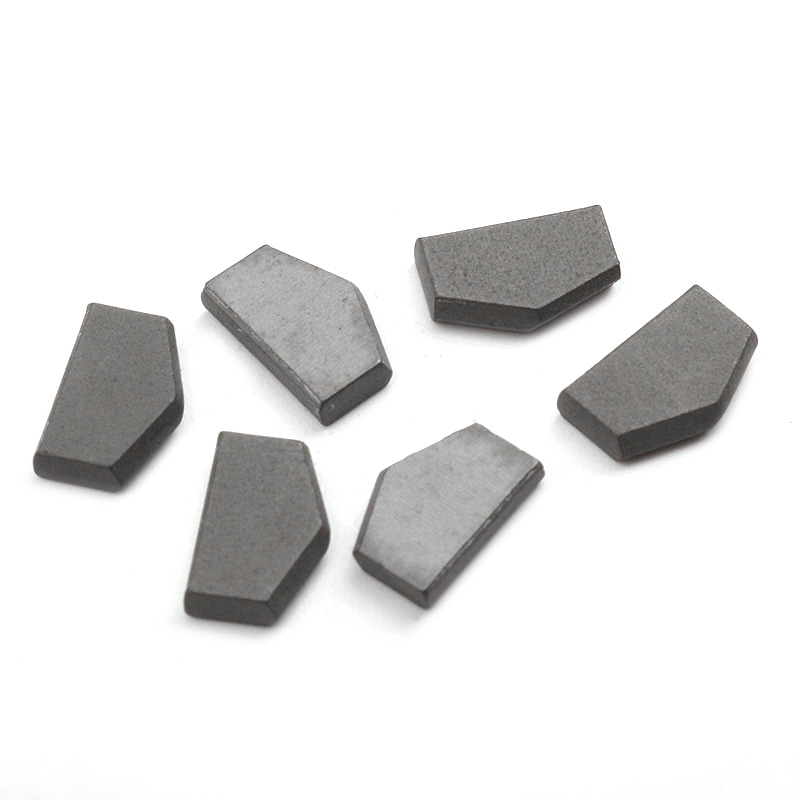
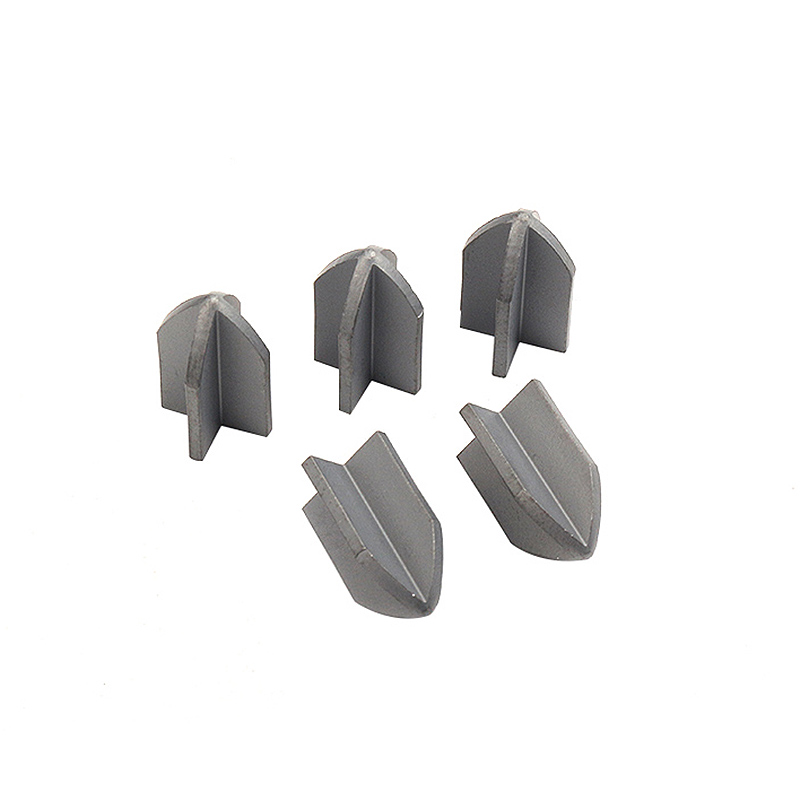
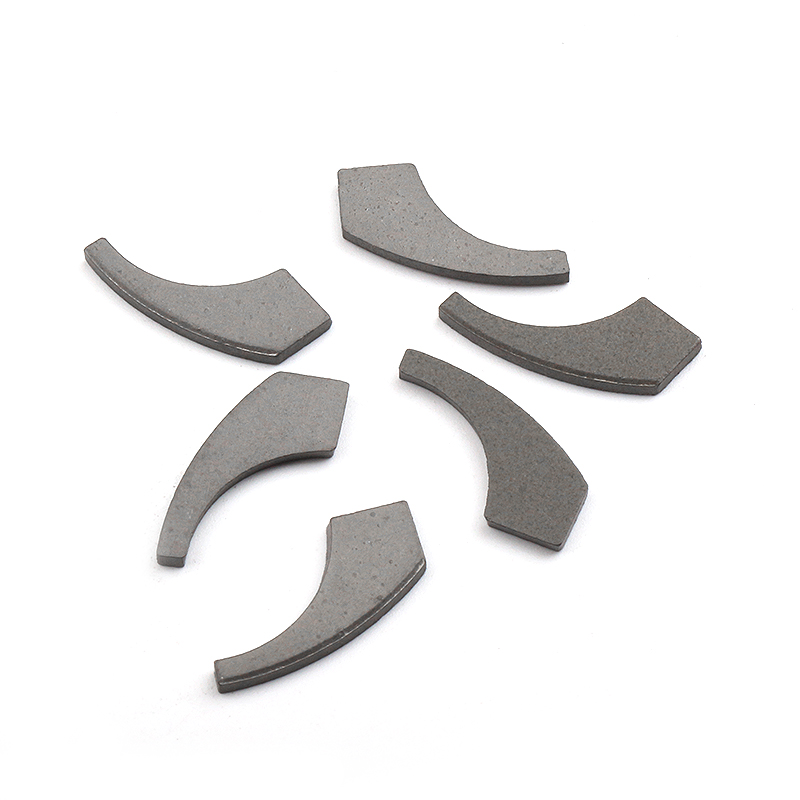
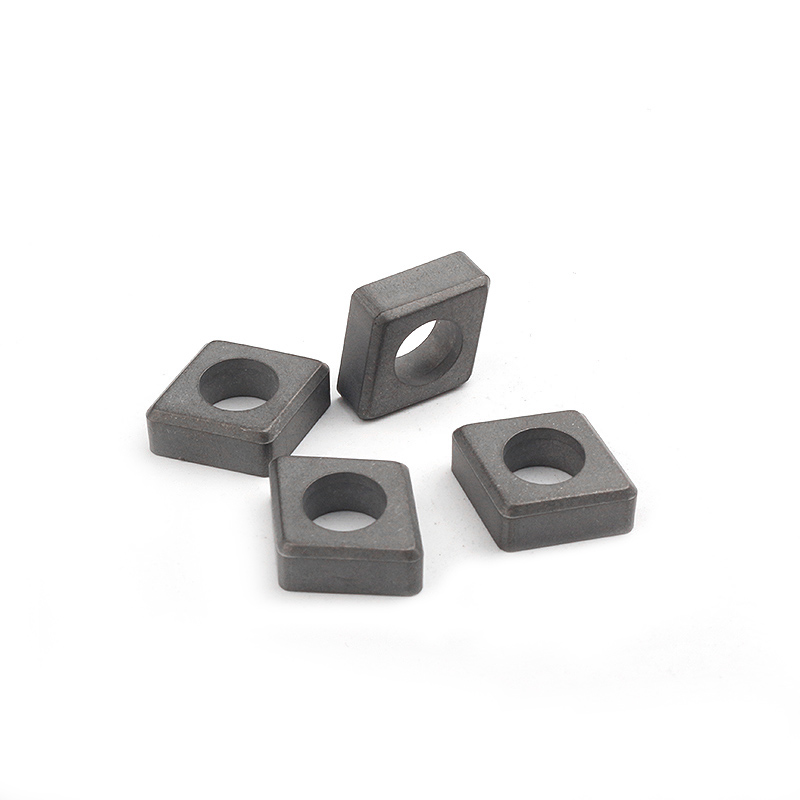
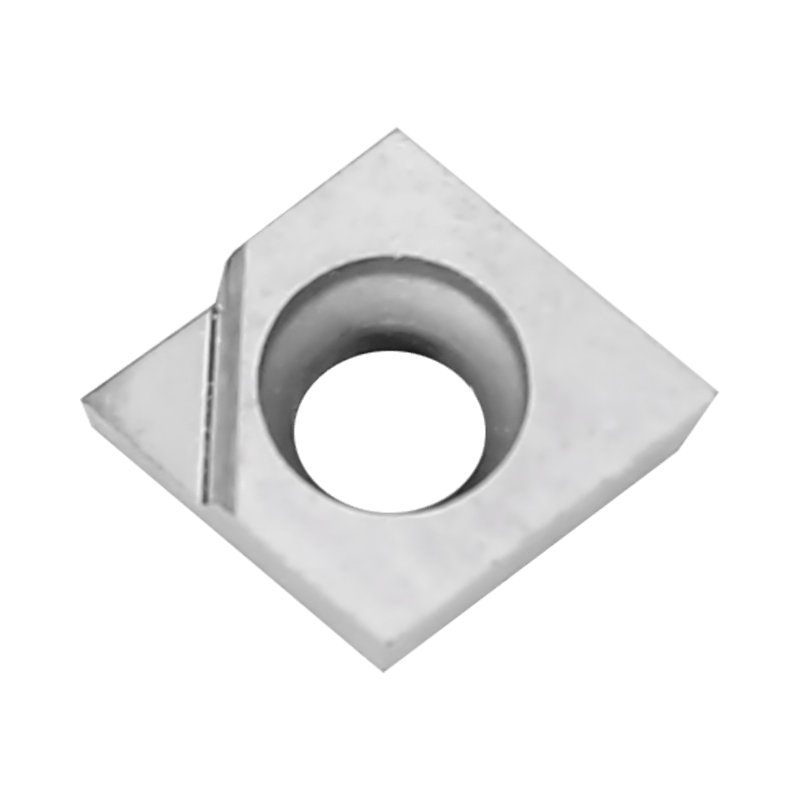
Efficient material processing has become a focus for modern manufacturing, particularly in operations involving metals and alloys. Among the tools designed to support such efficiency, the Carbide Welding Blade and components produced by an Indexable Insert Factory play a significant role. These tools contribute to more controlled cutting processes, which can result in reduced energy use during machining tasks. Understanding how these blades and inserts interact with machinery and materials can help manufacturers plan production with improved resource management.
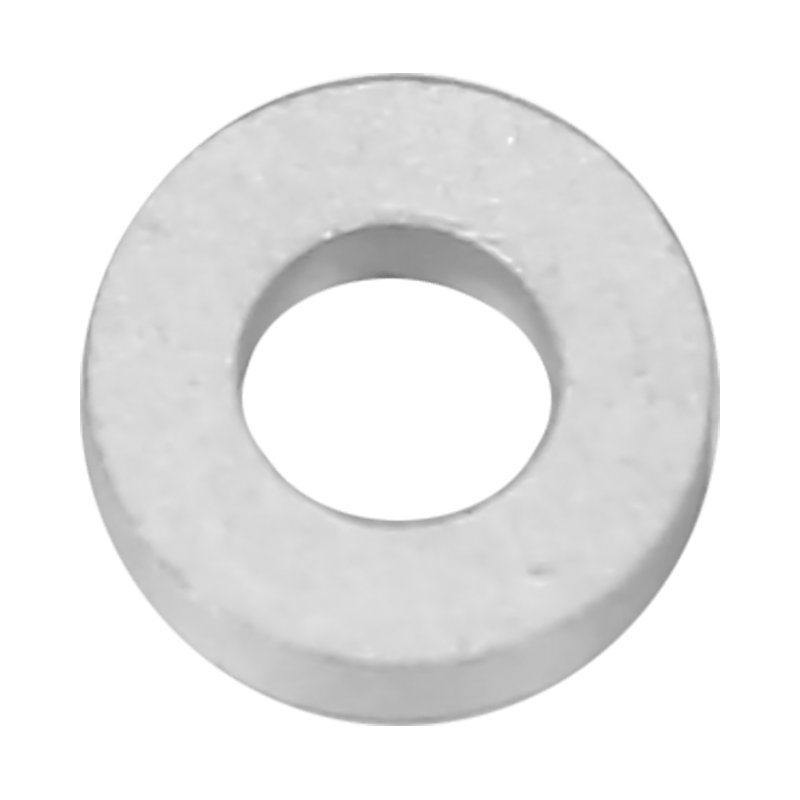
Carbide Welding Blades are composed primarily of tungsten carbide, a material known for its hardness and wear resistance. These characteristics allow the blade to maintain its cutting edge over extended periods, which reduces friction during material removal. Friction is a key factor in energy consumption, as higher resistance during cutting requires more power from the machine. By maintaining a consistent edge, the carbide blade allows the cutting process to proceed with steadier force, helping machinery operate more efficiently and reducing fluctuations in energy use.
Additionally, carbide’s ability to withstand higher temperatures without deforming or losing its cutting quality prevents excessive heat buildup. This reduces the need for repeated slowdowns or blade changes, which can otherwise interrupt production and indirectly increase energy consumption. Components produced by an Indexable Insert Factory, designed to fit into standardized tool holders, further contribute to energy savings by providing consistent geometry and secure placement, avoiding unnecessary vibration and uneven cutting loads.
One way Carbide Welding Blades contribute to lower energy use is through precision. When a blade can cut accurately without deflection or excessive pressure, the machine applies only the force necessary for material removal. This efficiency contrasts with tools that require repeated passes or adjustments, which increase machine runtime and overall energy demand. Indexable inserts from specialized factories are engineered to maintain their shape during cutting, which supports this precise engagement. The stability of these inserts also prevents irregular cutting patterns that could slow operations and require additional power to correct.
In practice, using a carbide blade with compatible indexable inserts allows operators to maintain a steady feed rate without frequent tool adjustments. Even in operations like welding edge preparation or metal sheet cutting, this consistency helps reduce spikes in energy consumption caused by tool misalignment or irregular cutting forces.
Energy consumption is not only affected by the immediate cutting process but also by the frequency of maintenance and tool replacement. Carbide Welding Blades are durable and wear-resistant, meaning they require fewer replacements over time. Each tool change typically involves stopping machinery, recalibrating, and occasionally re-running material, all of which add to energy usage. By extending the period between replacements, carbide tools indirectly help lower overall energy use in a workshop setting. Similarly, indexable inserts produced in controlled factory environments provide predictable performance, which reduces downtime and unnecessary machine operation associated with inconsistent tool quality.
Selecting appropriate cutting parameters, such as speed, feed, and depth of cut, in combination with carbide blades, can influence energy consumption. Operators can adjust these settings to suit material type and blade characteristics, allowing the machine to operate within a moderate power range rather than under excessive load. Using inserts with matching geometry and hardness to the carbide blade ensures smoother interaction between tools and workpieces, which reduces resistance and energy requirements.
Incorporating Carbide Welding Blades and indexable inserts into manufacturing workflows also allows for streamlined operations. Consistent cutting and reduced need for tool intervention mean machines can maintain a steady operational rhythm. This not only conserves energy but also reduces wear on motors and other mechanical components, contributing to longer equipment life and more stable energy performance.
By focusing on tool selection, material properties, and operational practices, Carbide Welding Blades and indexable inserts from specialized factories can help manufacturers manage energy use more efficiently while maintaining stable cutting conditions and productivity.
 2th Zhengde Road, Furong Town Industrial Zone, Yueqing City, Wenzhou City, Zhejiang, China
 +86-18368755111 / +86-57762299177
 +86-57762298133
 2528647427@qq.com
Copyright © Zhejiang Yueqing Yueyu Alloy Material Co., Ltd. All Rights Reserved.
Wholesale Carbide Tips Manufacturer