English
 عربى
عربى
Industry News
Home / News / Industry News / Why Integrate Indexable Insert Factory Products Into Smart CNC Systems?

2025-12-12
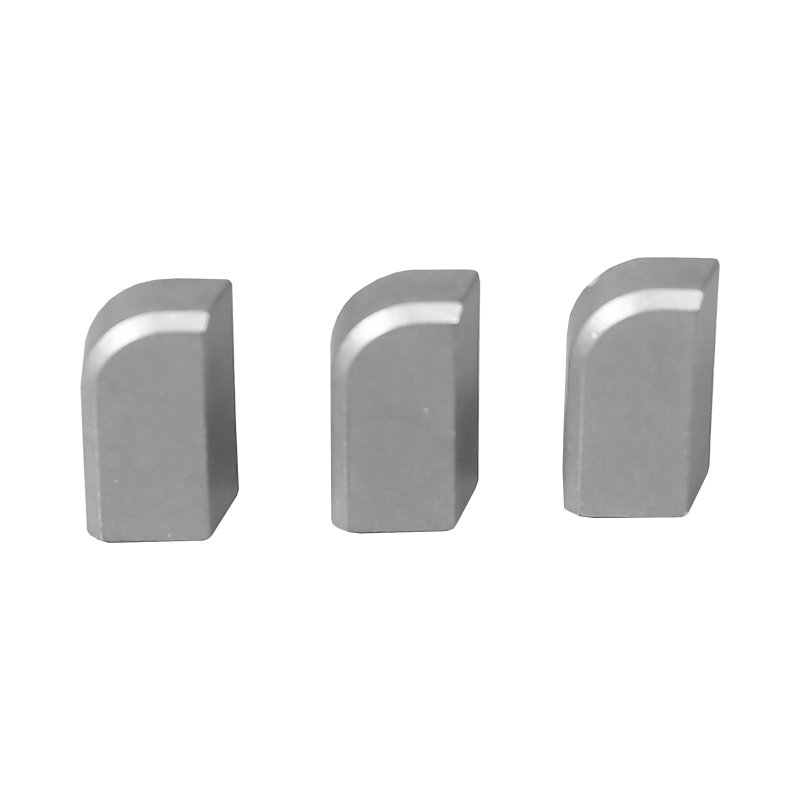
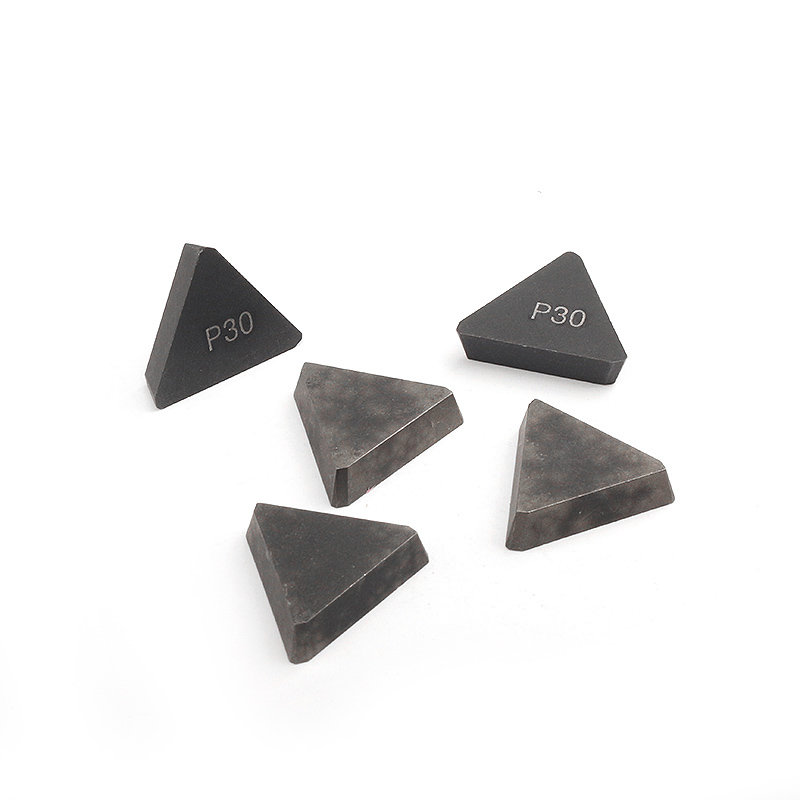
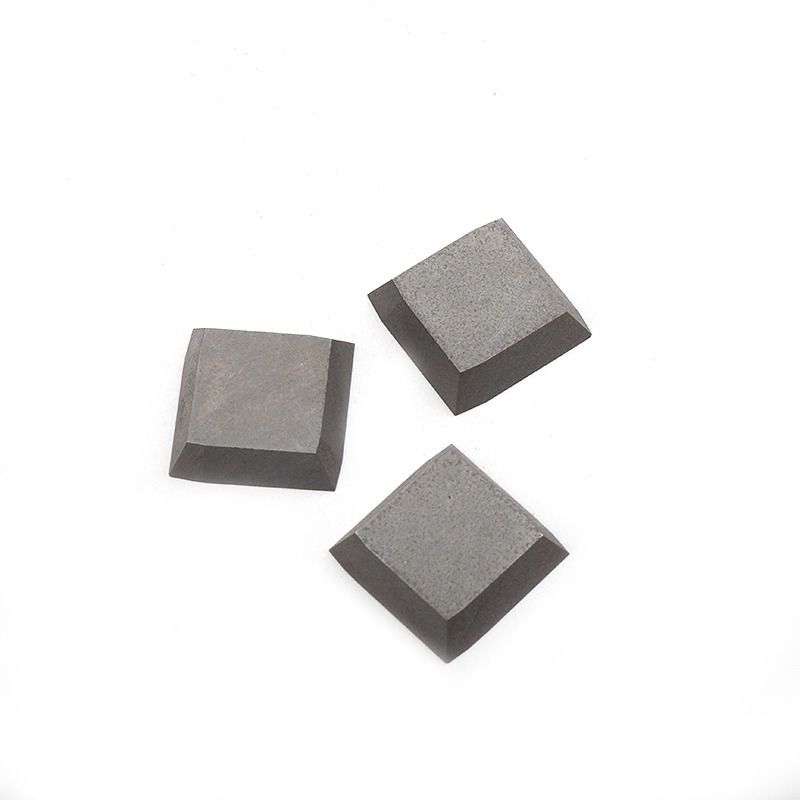
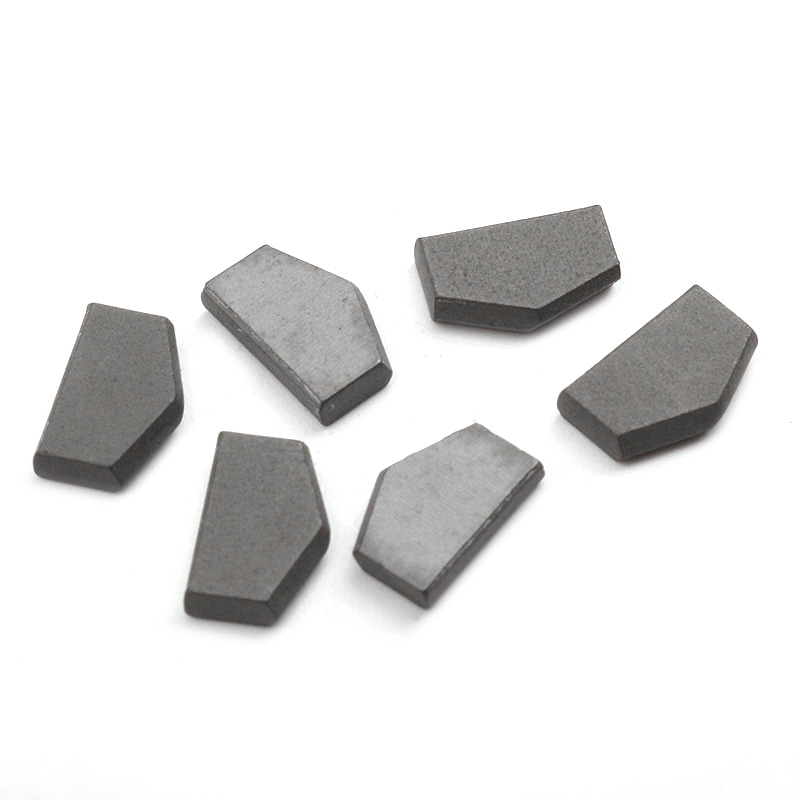
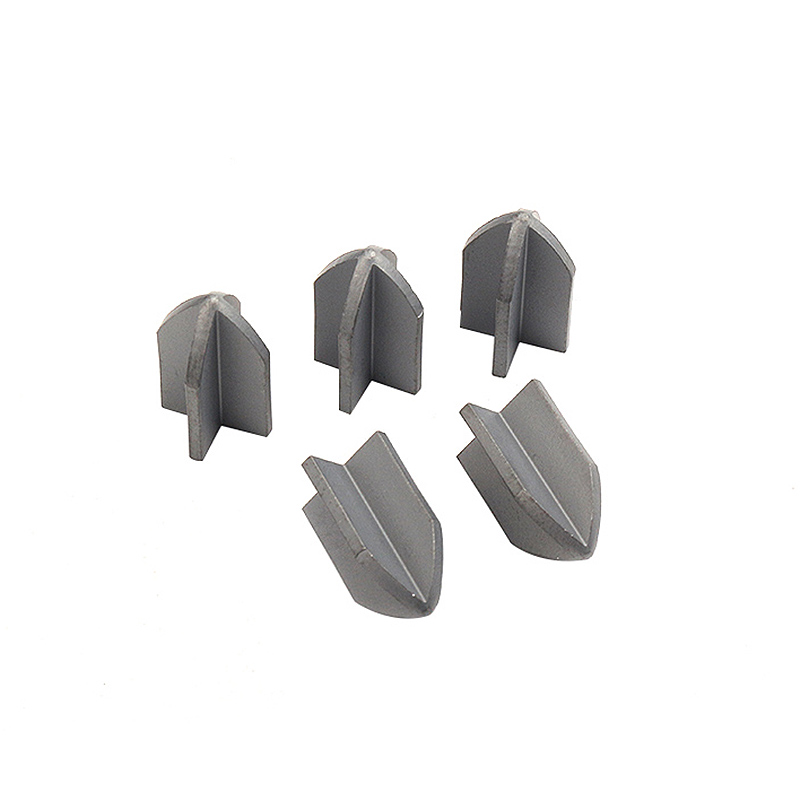
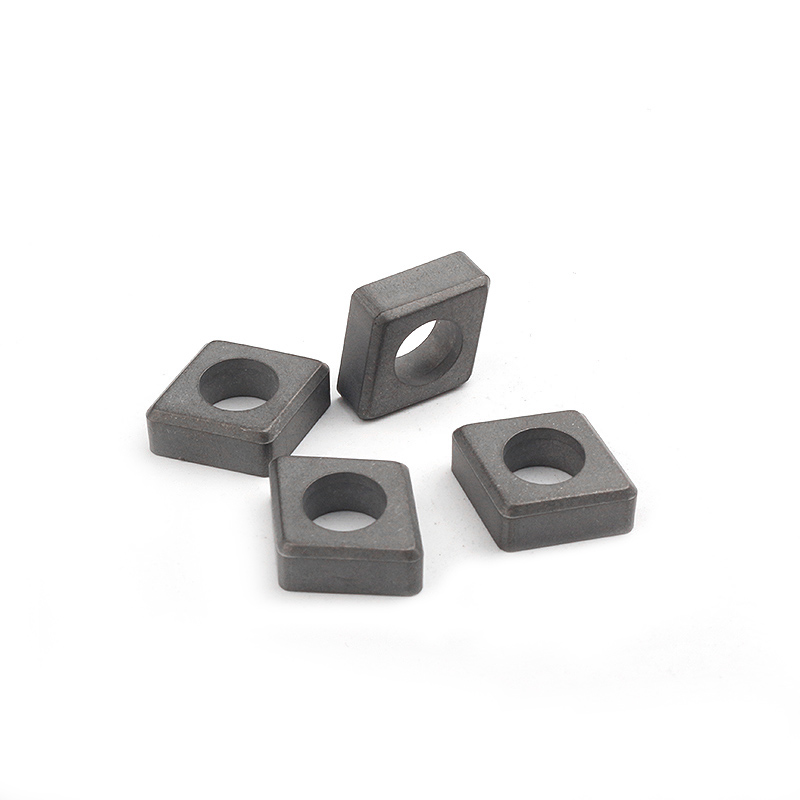
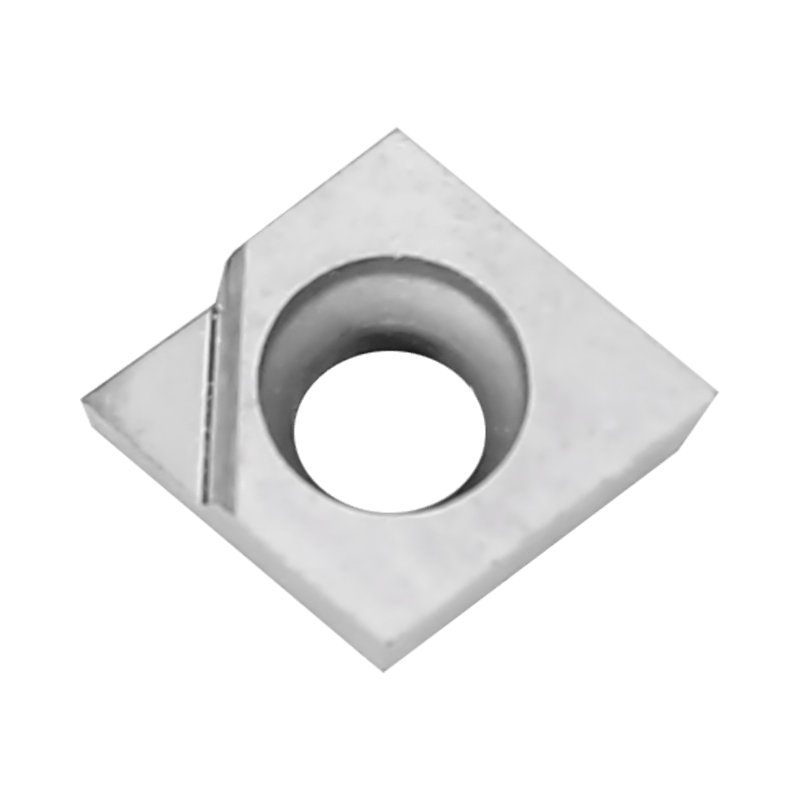
Modern machining processes are increasingly relying on automation and precision, particularly in operations that involve complex metals and alloys. Using products from an Indexable Insert Factory alongside Carbide Welding Blade technology provides a practical approach for manufacturers seeking consistent performance in smart CNC systems. These tools interact with computer-controlled machinery to streamline cutting processes, reduce material waste, and maintain consistent machining conditions. Understanding how these components contribute to CNC operations can help operators make informed decisions about tool selection and integration.
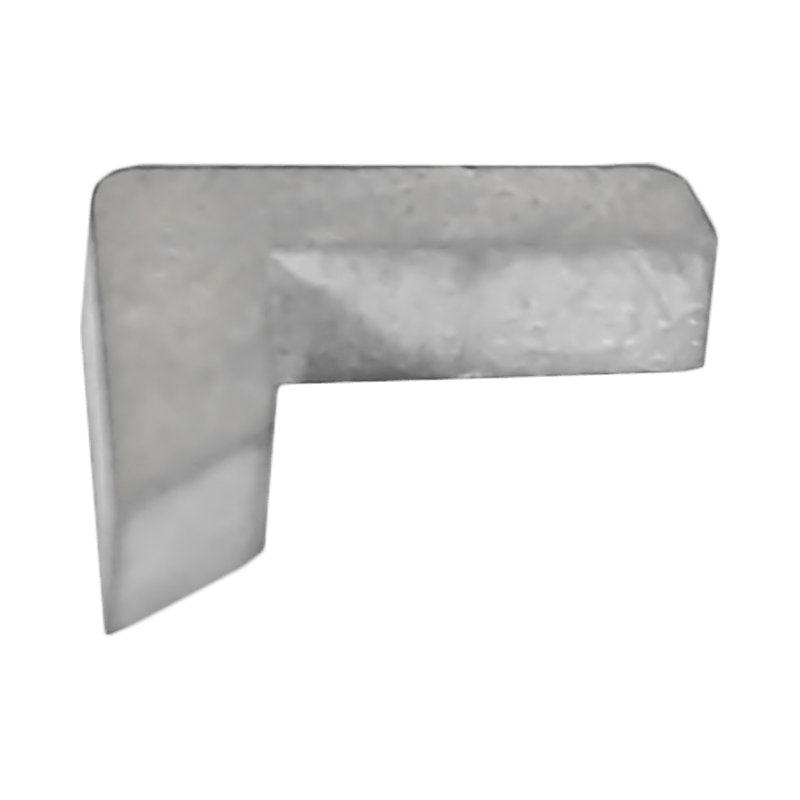
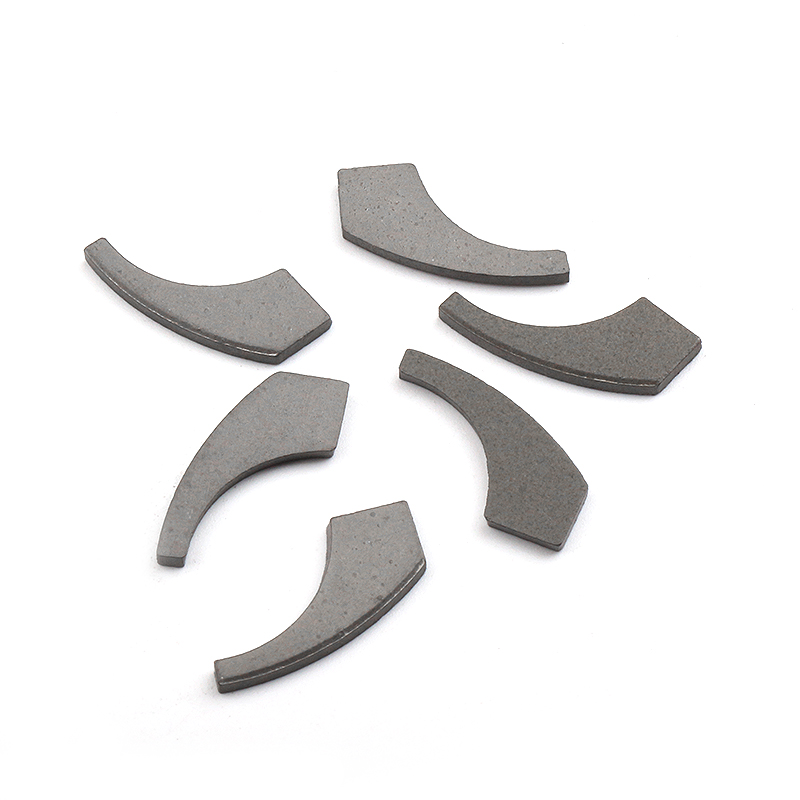
Carbide Welding Blades are composed of tungsten carbide, which offers hardness and wear resistance that allow the blade to maintain its cutting edge over extended operations. These properties reduce the friction between the tool and the workpiece, which in turn allows CNC systems to operate within stable energy ranges. Indexable inserts produced in controlled factory environments provide consistent geometry and tolerance, ensuring secure placement in tool holders. This stability is important when integrating tools into automated systems, as uneven cutting loads or misalignment can affect machining quality and may require additional machine adjustments.
When combined, these components help CNC machines maintain steady cutting paths. Carbide blades retain their edge even under high-speed cutting or repeated passes, while indexable inserts support consistent engagement with the material. This interaction allows the system to function with smoother motion, contributing to predictable machining times and reduced variations in power consumption.
One of the practical benefits of integrating factory-made indexable inserts into CNC systems is the predictability of cutting performance. Inserts are engineered to fit standard holders and maintain their shape over repeated cycles. When paired with carbide welding blades, this ensures that each cut is controlled, reducing the need for machine interventions or adjustments. Operators can rely on predictable cutting forces, which allows the CNC system to maintain programmed feed rates and speeds without unnecessary variations.
For operations such as milling, turning, or edge preparation, consistent cutting geometry reduces tool deflection and vibration. This not only supports dimensional accuracy but also limits additional mechanical load on the CNC system. By using indexable inserts designed for uniform performance, the system can sustain longer runs with stable energy use, avoiding spikes caused by irregular cutting forces or misaligned tools.
Carbide welding blades and factory-produced indexable inserts contribute to longer tool life compared to conventional alternatives. Reduced wear means fewer tool changes during a production cycle. Each tool change involves stopping the machine, recalibrating, and sometimes repeating material passes, which can increase energy use and reduce operational efficiency. By using durable and consistently manufactured components, operators can maintain workflow with fewer interruptions, allowing CNC systems to operate for longer periods under controlled conditions.
Moreover, predictable tool performance simplifies maintenance planning. Knowing the expected wear patterns of inserts and blades helps operators schedule replacements or inspections without disrupting the CNC process. This structured approach to maintenance helps maintain production consistency and prevents unexpected deviations in machining quality.
Integrating indexable inserts and carbide blades requires attention to tool geometry, holder compatibility, and cutting parameters. Selecting inserts with a geometry that matches the carbide blade ensures smooth interaction with the material and the machine spindle. Adjusting feed rates and cutting speeds to suit these tools allows the CNC system to operate efficiently without overloading motors or generating excess heat.
Smart CNC systems can also monitor cutting conditions in real time, adjusting parameters to maintain stable engagement with the workpiece. Using carbide welding blades and high-quality indexable inserts provides the consistent baseline conditions these systems require to function effectively. Stable tool performance allows monitoring software to provide more accurate feedback, which can improve process planning, reduce material waste, and support energy-efficient operations.
Integrating products from an indexable insert factory with carbide welding blades in CNC environments helps maintain controlled machining conditions, supports predictable tool performance, and reduces the need for frequent adjustments. This practical approach supports consistent cutting, better management of tool life, and more efficient energy use during production cycles.
 2th Zhengde Road, Furong Town Industrial Zone, Yueqing City, Wenzhou City, Zhejiang, China
 +86-18368755111 / +86-57762299177
 +86-57762298133
 2528647427@qq.com
Copyright © Zhejiang Yueqing Yueyu Alloy Material Co., Ltd. All Rights Reserved.
Wholesale Carbide Tips Manufacturer