English
 عربى
عربى
Industry News
Home / News / Industry News / What to Consider When Selecting Indexable Inserts for Your Production Line

2026-05-01
When it comes to optimizing your production line, selecting the right tools can significantly affect performance, efficiency, and cost-effectiveness. Indexable inserts and carbide tips are commonly used to enhance precision and durability in various machining applications. Understanding the factors that influence the selection of these components can help you make an informed decision that aligns with your production needs. In this article, we will explore key considerations for choosing the right indexable inserts, focusing on carbide tips, tool life, material compatibility, and more.
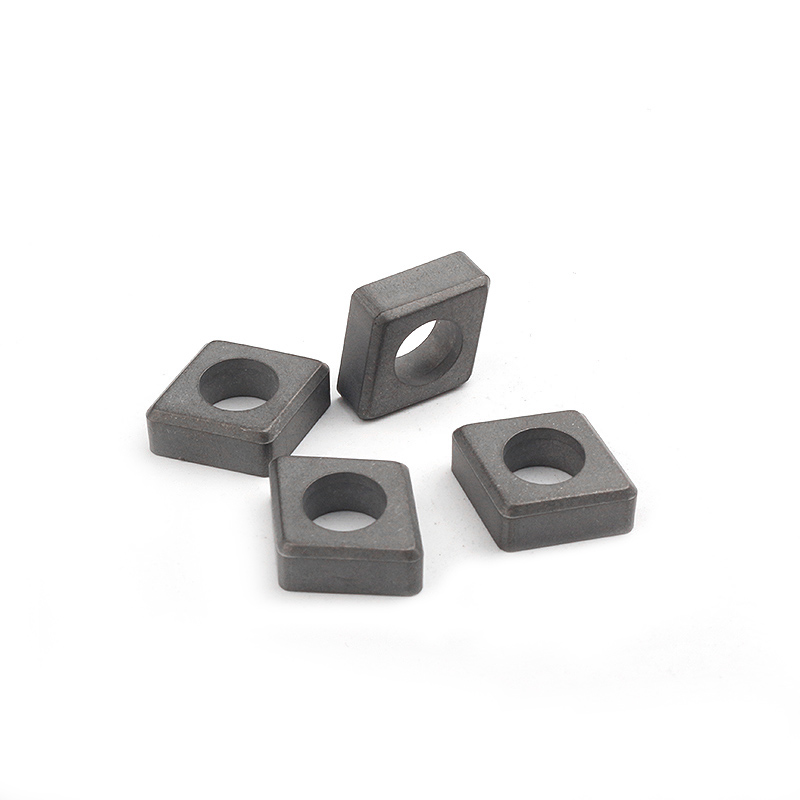
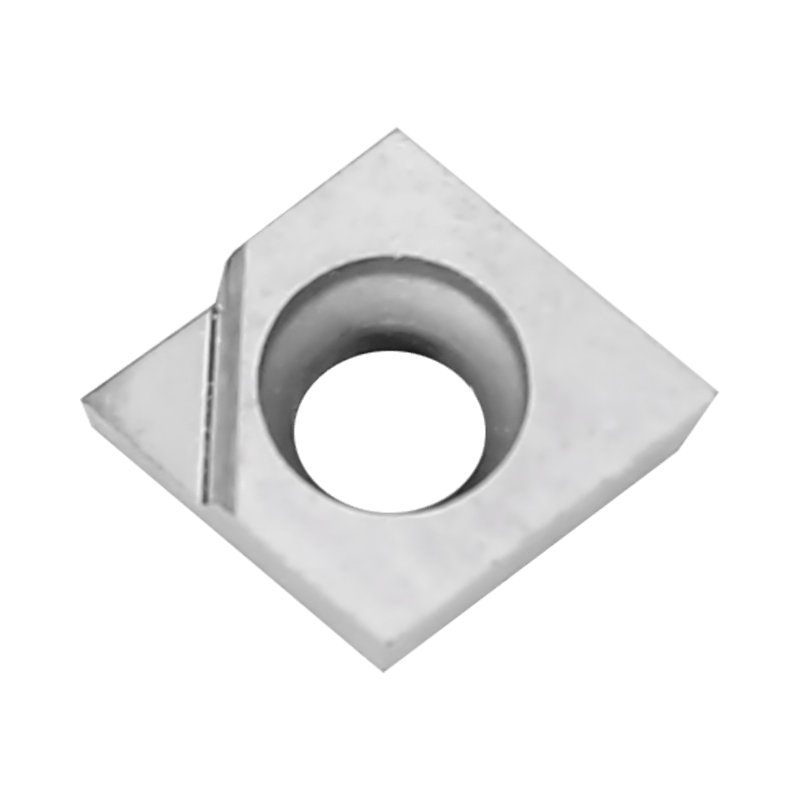
Selecting the right indexable insert is essential to achieving the desired machining results. Several factors must be taken into account, including material type, cutting conditions, and insert geometry. The combination of these elements can impact tool performance, machining efficiency, and the overall cost of production.
Different materials—such as steel, aluminum, titanium, or exotic alloys—require specific carbide inserts designed to handle their unique properties. For example, inserts with a finer grain structure are suitable for machining tougher materials, while inserts with a coarser grain structure may be more appropriate for softer materials.
Cutting conditions, such as feed rates, cutting speeds, and the type of cut (e.g., roughing, finishing), can also influence the selection of indexable inserts. Inserts with varying geometries are designed to withstand different forces exerted during cutting. In some cases, a stronger cutting edge may be necessary, while in others, a sharper edge could be more advantageous. The right geometry ensures that inserts are used efficiently, reducing downtime and the frequency of tool changes.
|
Factor |
Description |
|
Material Compatibility |
Choose inserts that are designed for the material being machined, ensuring better tool life and cutting efficiency. |
|
Cutting Conditions |
Select inserts that align with your specific machining parameters, such as speed, feed rate, and type of cut. |
|
Insert Geometry |
Match the insert geometry with the cutting task to optimize performance. |
|
Tool Life |
Consider inserts that offer durability under harsh conditions, minimizing the need for frequent tool replacements. |
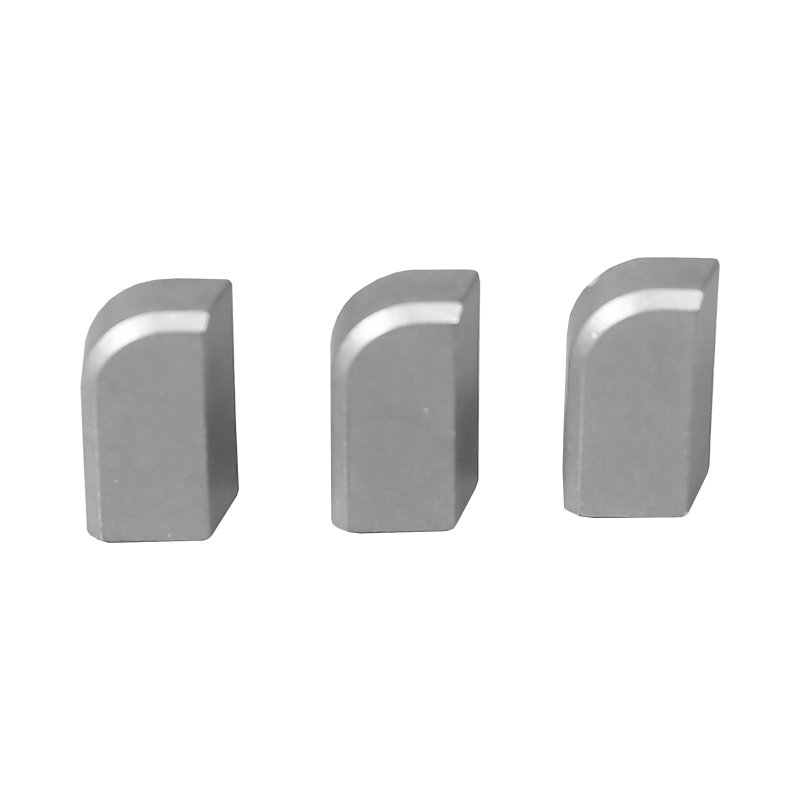
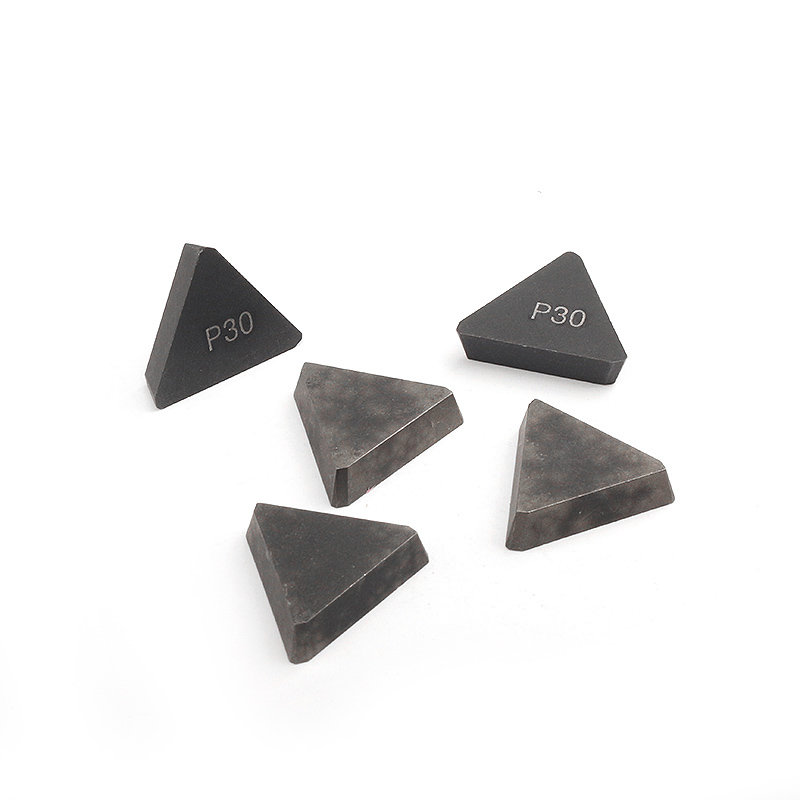
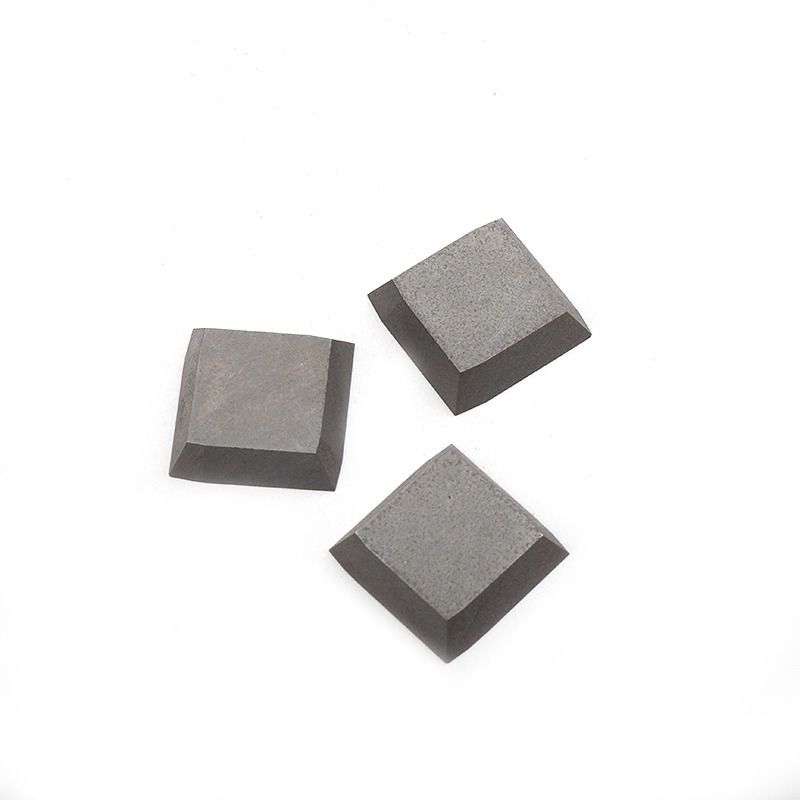
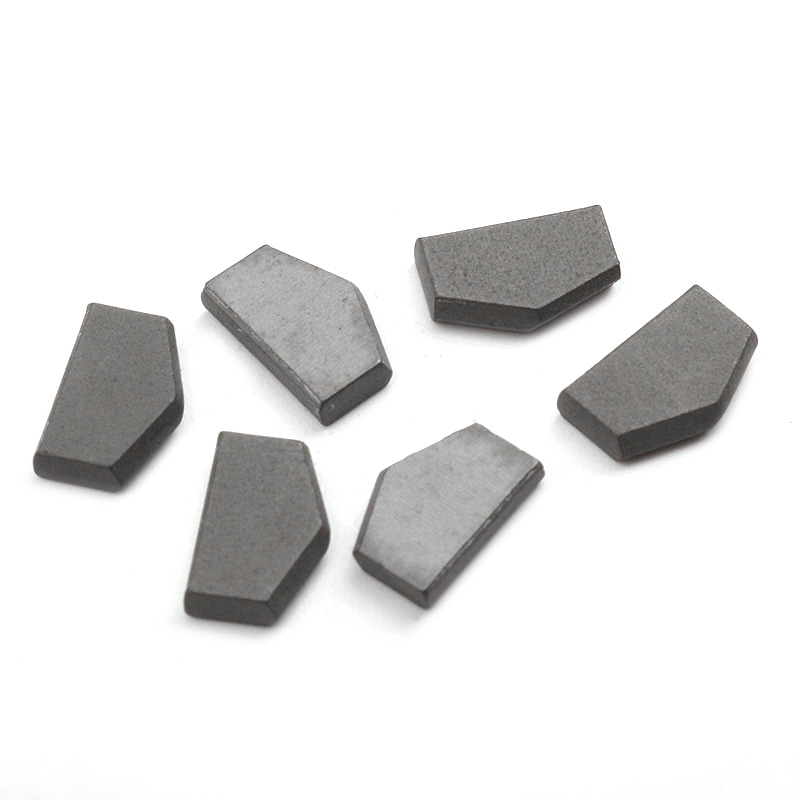
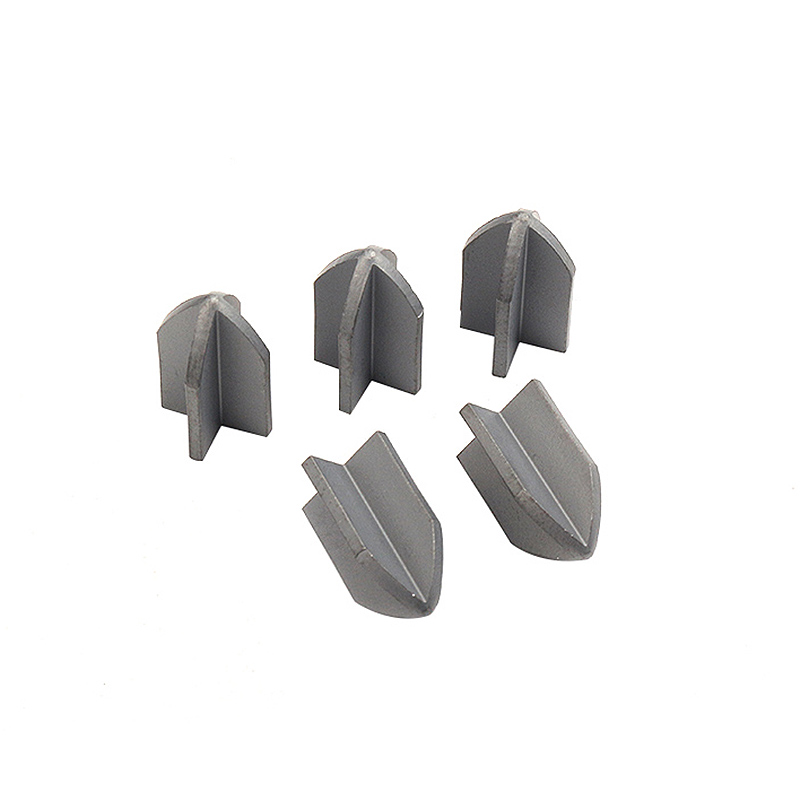
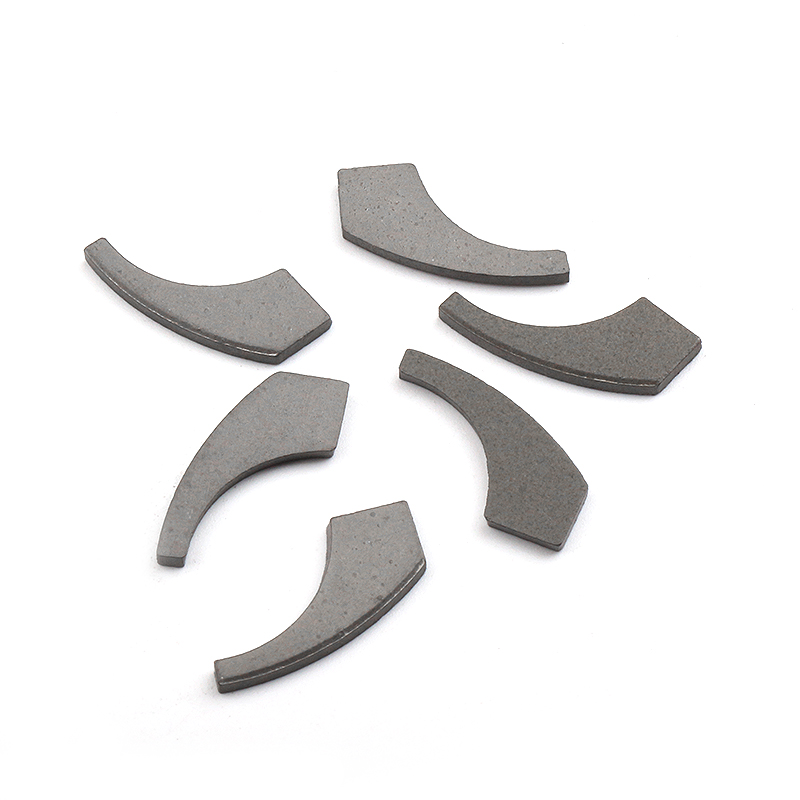
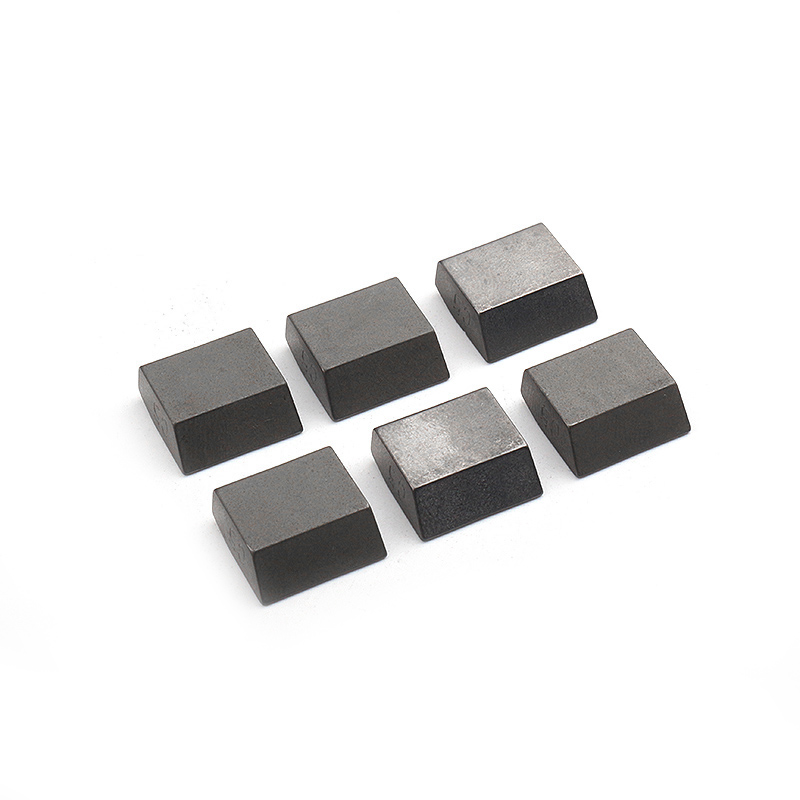
Carbide tips are frequently used in indexable inserts due to their hardness, wear resistance, and ability to handle high temperatures. When selecting carbide-tipped inserts, the grade of carbide plays a significant role in tool performance. Higher-grade carbide tips may provide increased wear resistance but could be more costly. On the other hand, lower-grade carbide may be more affordable but may not perform as well under extreme conditions.
Choosing Inserts Based on Cost-Effectiveness and Performance
While it may be tempting to opt for higher-grade materials to ensure longer tool life, balancing cost and performance is essential. Selecting the right grade of carbide for your production line will depend on factors such as your budget, expected tool life, and production volume.
Durability is an essential consideration when selecting indexable inserts. Inserts that wear down quickly lead to frequent tool changes, causing production delays and increased operational costs. When selecting carbide inserts, consider the expected tool wear and the anticipated duration of each insert's lifespan. Some inserts come with coating options designed to reduce wear and extend tool life, providing added value over time.
Q1. How do I determine which carbide tip is right for my material?
Choose carbide tips based on the hardness and machining properties of the material. For harder metals, consider inserts with finer grain carbide, while softer metals may require inserts with coarser grains.
Q2. What factors affect tool life with indexable inserts?
Tool life is influenced by the cutting conditions, material type, insert geometry, and the carbide grade. Selecting the right combination ensures longer tool life and fewer replacements.
Q3. Can I use the same insert for multiple materials?
While some inserts can be used across various materials, specialized inserts designed for specific materials often offer better results in terms of tool life and performance.
Q4. How do I choose between coated and uncoated carbide inserts?
Coated inserts are generally more wear-resistant and can handle higher cutting temperatures, making them suitable for demanding applications. Uncoated inserts may be suitable for lighter machining tasks.
Q5. Do carbide inserts require special maintenance?
Regular inspection and proper tool handling are necessary to maintain carbide inserts. Avoid dropping or mishandling the inserts, and replace them promptly when signs of wear appear.
 2th Zhengde Road, Furong Town Industrial Zone, Yueqing City, Wenzhou City, Zhejiang, China
 +86-18368755111 / +86-57762299177
 +86-57762298133
 2528647427@qq.com
Copyright © Zhejiang Yueqing Yueyu Alloy Material Co., Ltd. All Rights Reserved.
Wholesale Carbide Tips Manufacturer