English
 عربى
عربى
Industry News

2026-01-30
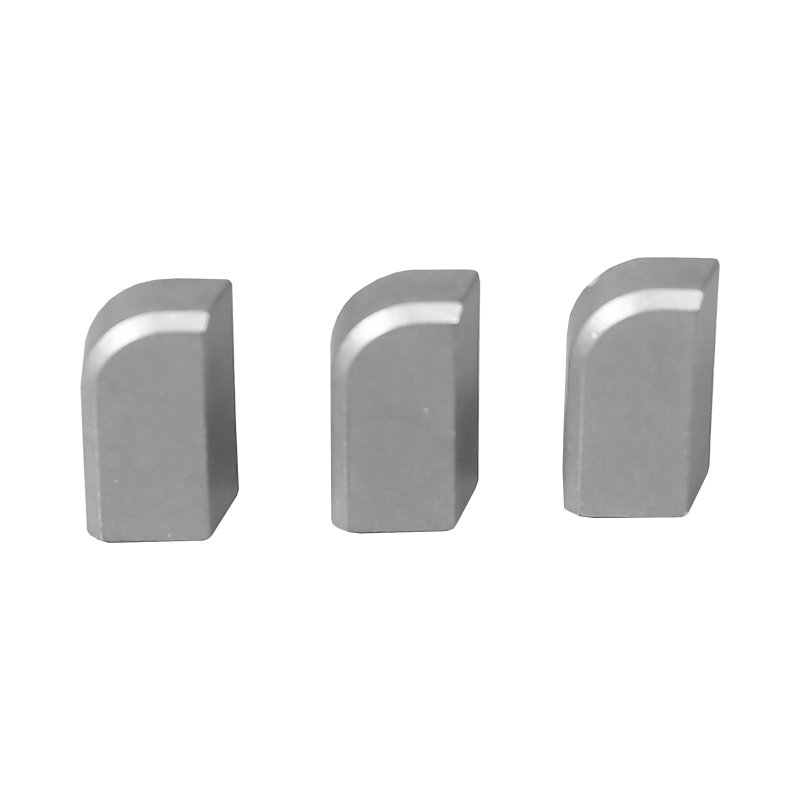
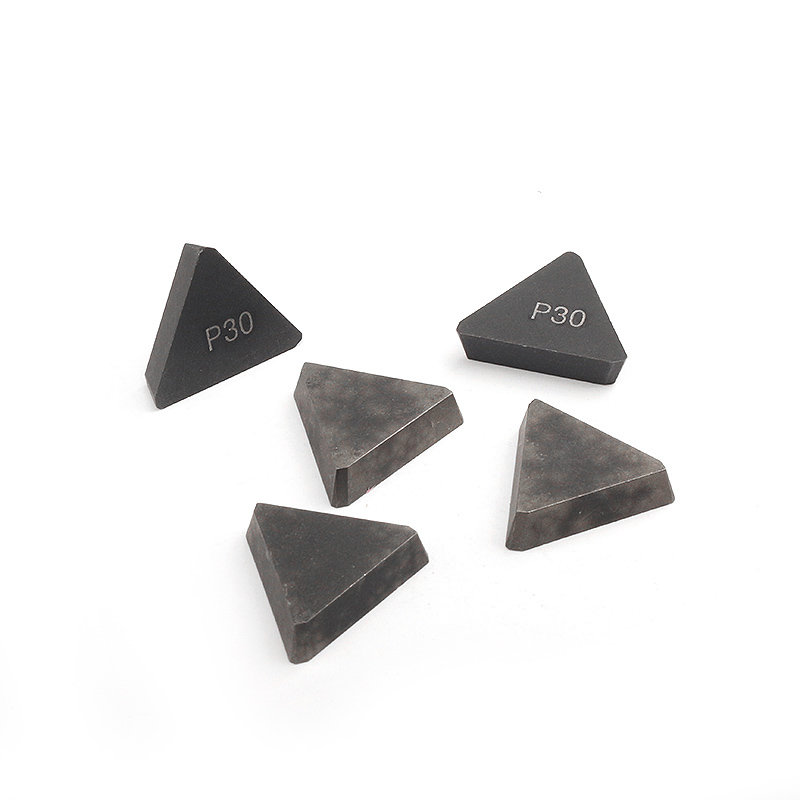
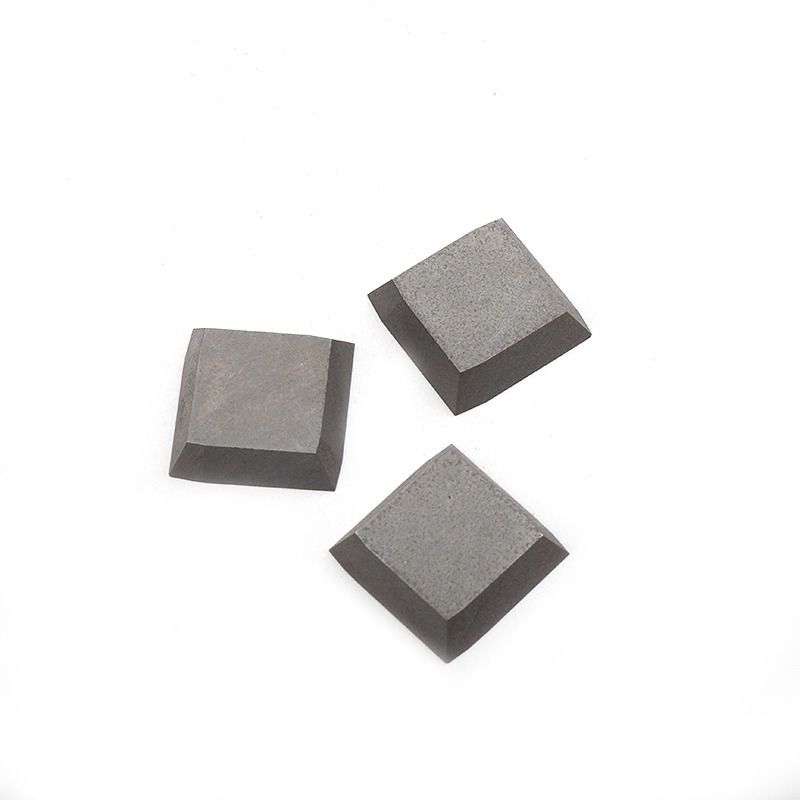
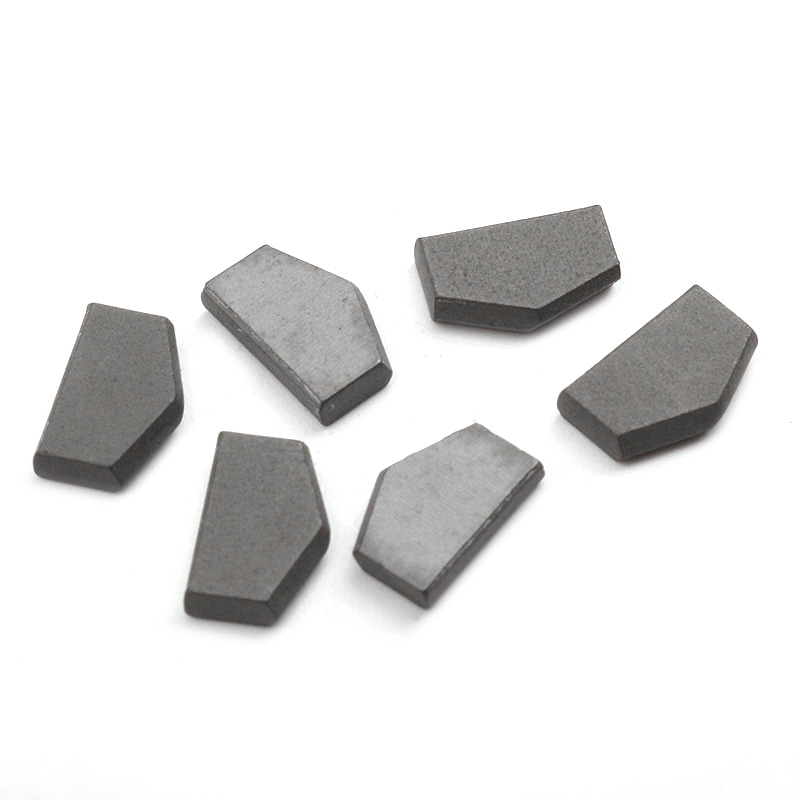
In stone cutting operations, tool durability and cutting consistency depend heavily on how well the cutting tips are bonded to the blade body. At a Cut Stone Blade Factory, bonding quality is not determined by brazing technique alone. The interaction between multiple materials—particularly those used in Carbide Brazed Tips systems—plays a decisive role in bonding strength, service life, and cutting stability. Understanding how these materials work together helps buyers, engineers, and maintenance teams make informed decisions when selecting stone cutting blades for different applications.
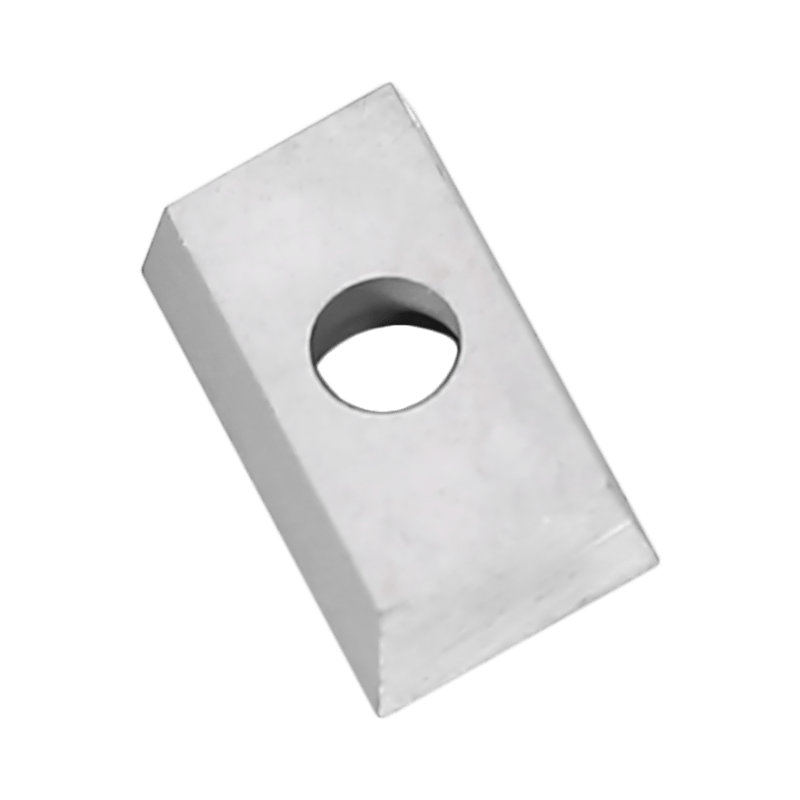
Carbide tips used on stone cutting blades are typically made from tungsten carbide combined with a metallic binder, often cobalt. The proportion of carbide grains and binder content influences both hardness and toughness, but it also affects how the tip reacts during brazing.
Carbide materials with very fine grain structures tend to offer higher hardness, yet they may be more sensitive to thermal stress during heating and cooling. If the carbide grade expands or contracts at a rate significantly different from the blade body or brazing alloy, microcracks can form at the joint. On the other hand, carbides with balanced grain size and binder distribution usually show more stable behavior during brazing, helping maintain consistent bonding strength under cutting loads.
From a production perspective, material selection at a Cut Stone Blade Factory must consider not only cutting performance but also compatibility with brazing materials and steel substrates.
The blade body acts as the foundation for the carbide tips, and its material properties directly affect bonding results. Many stone cutting blades use alloy steel designed to balance rigidity, elasticity, and thermal stability.
Steel with uneven carbon content or inconsistent heat treatment can develop localized stress during brazing. When heated, such steel may warp slightly or develop residual stress zones near the brazed joint. Over time, these stress concentrations can weaken the bond between the blade and the Carbide Brazed Tips, especially during intermittent cutting or dry cutting conditions.
Well-controlled steel composition, combined with uniform heat treatment, allows the blade body to expand and contract in a predictable manner. This stability supports consistent wetting of the brazing alloy and reduces the risk of bond fatigue during extended use.
The brazing alloy acts as the bridge between carbide tips and the steel blade body. Its chemical composition, melting range, and flow characteristics all influence bonding strength.
Silver-based brazing alloys are commonly used because they offer good wettability with both carbide and steel. However, the presence of elements such as copper, zinc, or nickel changes how the alloy flows and how it reacts with the base materials. An alloy that melts too quickly may flow away from the joint before proper wetting occurs, while an alloy with insufficient fluidity may leave voids at the interface.
Material compatibility is especially important when dealing with different carbide grades. Some Carbide Brazed Tips require alloys with enhanced ductility to absorb vibration and thermal cycling during cutting. Choosing an alloy that matches the thermal expansion characteristics of both the carbide and the steel helps maintain joint integrity during real-world operation.
Flux is often overlooked, yet it plays a critical role in bonding strength. Its primary function is to remove oxides from metal surfaces during brazing, allowing the alloy to bond directly with clean material.
Different flux formulations interact differently with carbide surfaces and steel substrates. A flux that works well for steel may not fully clean the carbide surface, especially if the carbide contains specific binders or additives. Incomplete oxide removal can prevent proper wetting, causing weak bonding areas that may not be visible during visual inspection.
At a Cut Stone Blade Factory, matching flux type to both brazing alloy and base materials ensures stable bonding conditions and reduces the likelihood of early tip detachment.
The condition of the bonding surfaces before brazing is another material-related factor that influences joint strength. Carbide tips may be supplied with surface coatings or residues from grinding and sintering processes. Similarly, blade bodies may carry oils, oxidation layers, or machining residues.
If these surface materials are not properly removed, they can act as barriers between the brazing alloy and the base materials. Even thin contamination layers can reduce bonding strength by limiting direct metallurgical interaction.
Mechanical cleaning methods, combined with appropriate chemical treatments, help ensure that both carbide and steel surfaces are ready for brazing. This preparation stage directly affects how well materials bond under thermal and mechanical stress during cutting.
 2th Zhengde Road, Furong Town Industrial Zone, Yueqing City, Wenzhou City, Zhejiang, China
 +86-18368755111 / +86-57762299177
 +86-57762298133
 2528647427@qq.com
Copyright © Zhejiang Yueqing Yueyu Alloy Material Co., Ltd. All Rights Reserved.
Wholesale Carbide Tips Manufacturer