English
 عربى
عربى
Industry News

2026-01-23
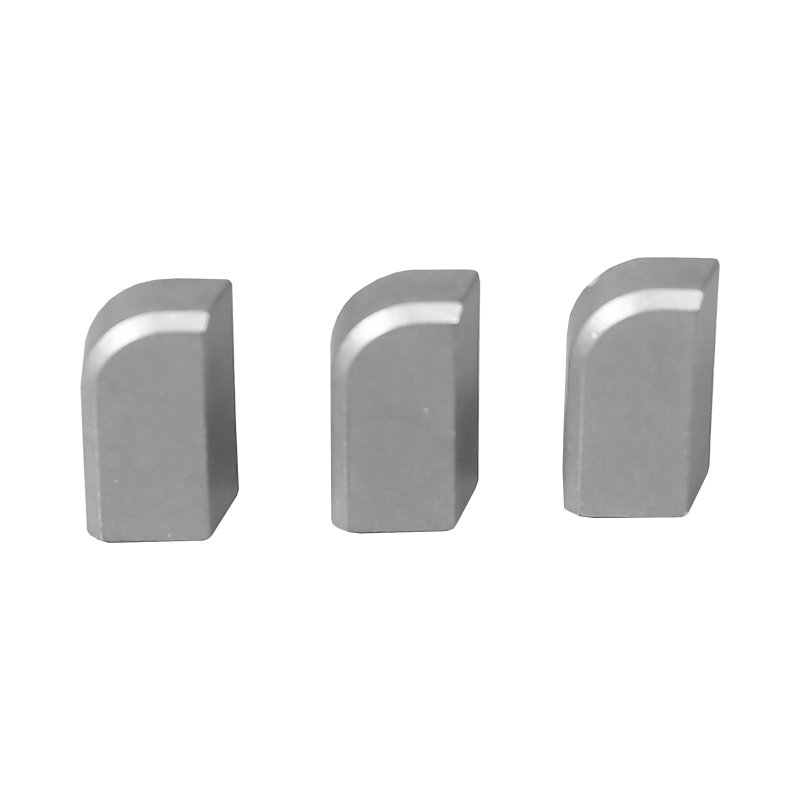
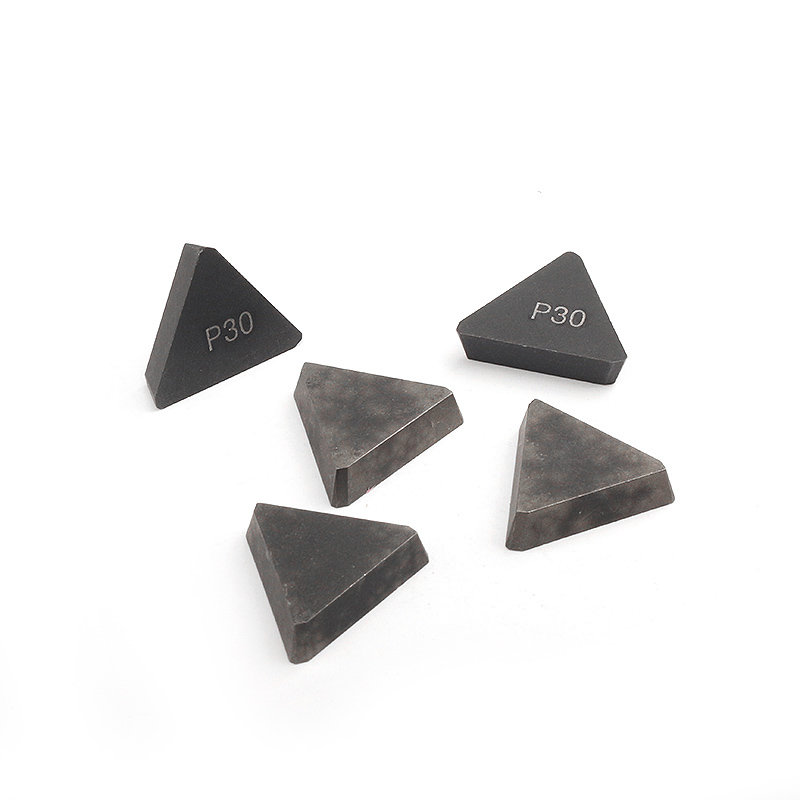
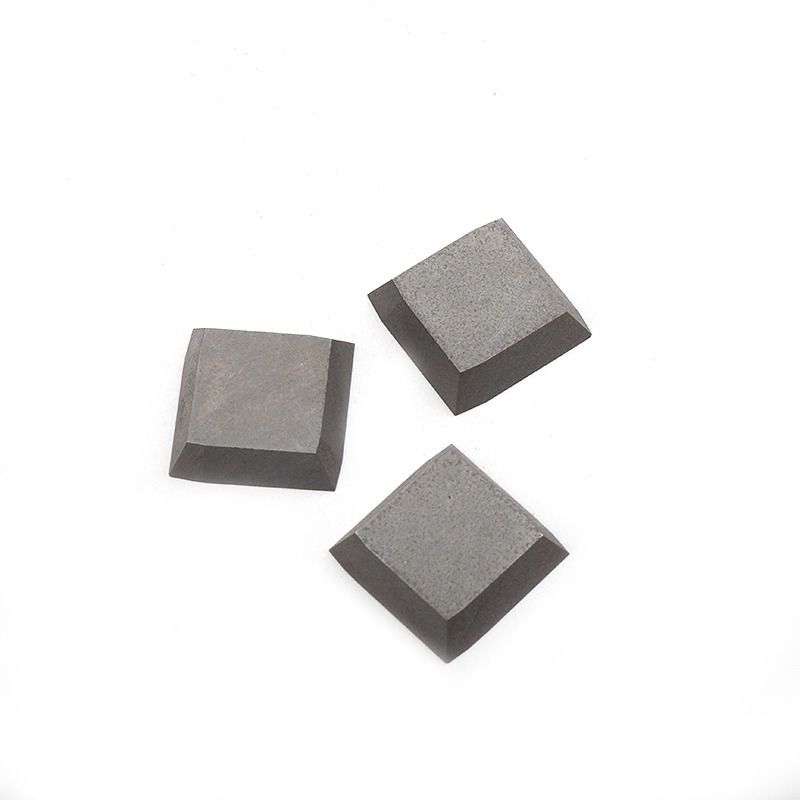
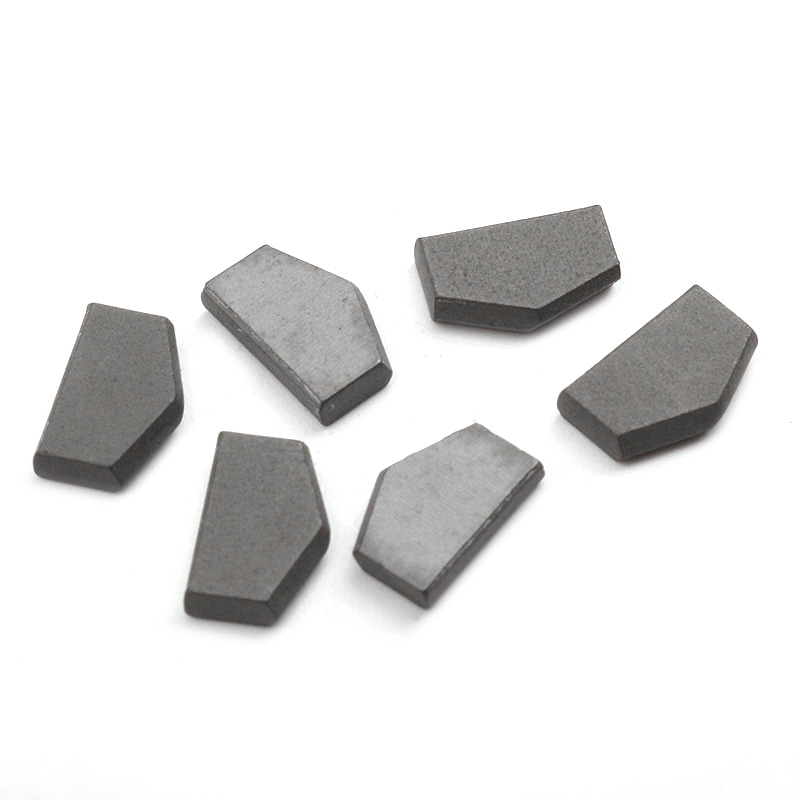
Behind every stone cutting blade lies a series of production decisions that directly affect how the tool performs in real working conditions. When sourcing products from a Cut Stone Blade Factory, buyers often focus on visible specifications while overlooking the internal quality checks that shape long-term usability. For cutting tools that use Carbide Brazed Tips, these checks are especially important because both material selection and process control influence cutting stability, wear behavior, and service consistency. Understanding which quality checks truly matter helps users evaluate products beyond surface appearance.
Quality control begins well before blade assembly. For carbide brazed tips, incoming raw materials such as cemented carbide blanks, steel blade bodies, and brazing alloys must be inspected for consistency. Carbide grades vary in composition, grain size, and binder content, all of which affect hardness and toughness.
Factories typically verify material certificates and perform spot checks on dimensions and density. These steps help ensure that the carbide material matches the intended application range. If raw materials show excessive variation, even precise machining cannot fully compensate later in the process. Early-stage verification sets a stable foundation for subsequent production steps.
The steel blade body acts as the structural support for carbide tips. Before brazing, the blade body must be inspected for flatness, surface finish, and slot geometry. Even minor warping or surface irregularities can influence how heat is distributed during brazing and how forces are transmitted during cutting.
Flatness checks are typically conducted using straight edges or precision measuring platforms. Surface preparation, including cleaning and controlled roughening, is also monitored. These steps help the brazing alloy bond evenly between the carbide tip and blade body, contributing to joint stability.
The brazing stage is one of the critical quality checkpoints in a cut stone blade factory. Temperature control, heating duration, and alloy flow behavior are closely observed. If the temperature is too low, the alloy may not fully wet the bonding surfaces. If too high, it can affect the carbide structure or blade body properties.
Factories often monitor brazing parameters using thermocouples or automated systems to maintain consistency across batches. Visual inspection of brazed joints follows, focusing on alloy distribution and joint appearance. A uniform brazed seam indicates stable bonding, while gaps or excess alloy may signal process deviation.
After brazing, bond strength between the carbide tip and blade body must be assessed. This does not always involve destructive testing for every piece, but sampling methods are commonly used. Pull tests or shear tests help evaluate whether the joint can withstand expected cutting forces.
These checks are important because cutting edge failure often originates at the joint rather than within the carbide itself. By verifying bond strength during production, factories can identify issues early and adjust brazing parameters as needed.
Some blade bodies undergo heat treatment to adjust hardness and internal stress levels. Quality checks at this stage focus on ensuring that heat treatment achieves consistent results without introducing distortion. Excessive internal stress can affect blade balance and cause uneven cutting behavior.
Hardness testing and visual inspection for warping are typical methods used. Maintaining controlled stress levels helps the blade body support carbide brazed tips more evenly during operation, particularly in applications involving continuous cutting or variable loads.
Before final packaging, cutting edges are visually inspected under magnification. This step helps identify surface defects such as micro-cracks, edge chipping, or irregular grinding marks on carbide tips. While these imperfections may appear minor, they can develop into larger issues once cutting begins.
Visual inspection also confirms that tip alignment along the blade circumference is consistent. Proper alignment ensures uniform contact with the stone surface, supporting steady cutting rather than uneven material engagement.
Blade balance plays a role in vibration control during cutting. Excessive runout or imbalance increases stress on carbide tips and accelerates wear. Factories typically perform balance checks using rotating test equipment to confirm that blades meet acceptable tolerance levels.
Runout measurement ensures that the blade rotates within a controlled deviation range. These checks help maintain smoother operation and reduce unnecessary mechanical stress on both the blade and cutting equipment.
 2th Zhengde Road, Furong Town Industrial Zone, Yueqing City, Wenzhou City, Zhejiang, China
 +86-18368755111 / +86-57762299177
 +86-57762298133
 2528647427@qq.com
Copyright © Zhejiang Yueqing Yueyu Alloy Material Co., Ltd. All Rights Reserved.
Wholesale Carbide Tips Manufacturer