English
 عربى
عربى
Industry News

2026-02-20
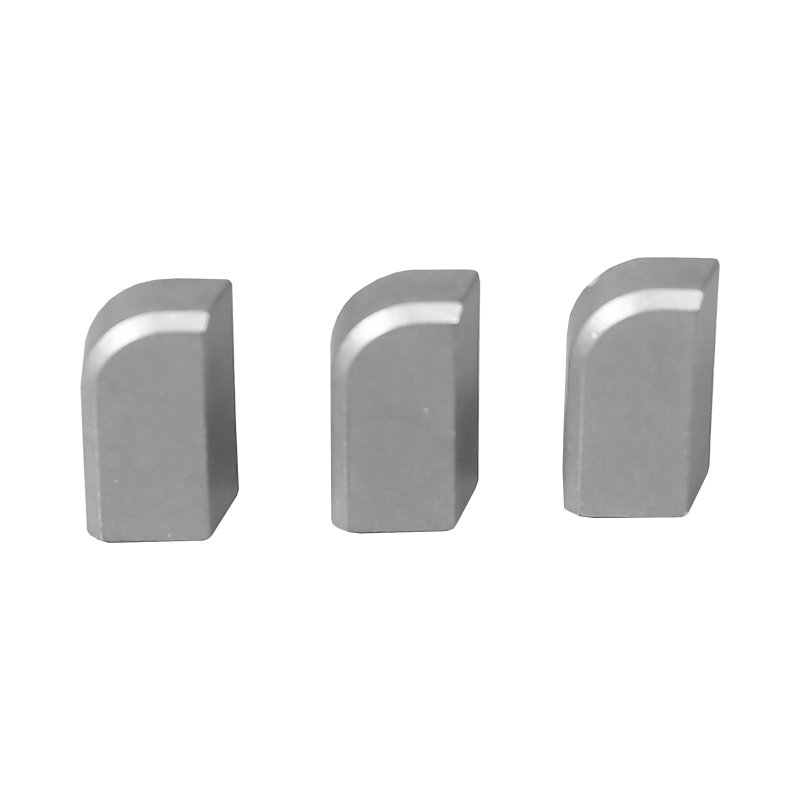
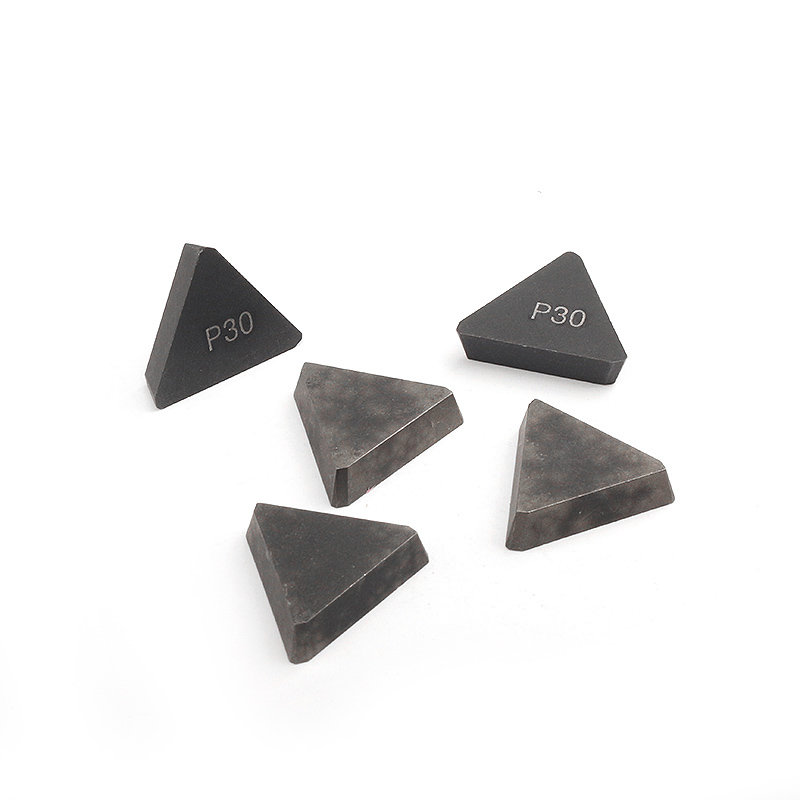
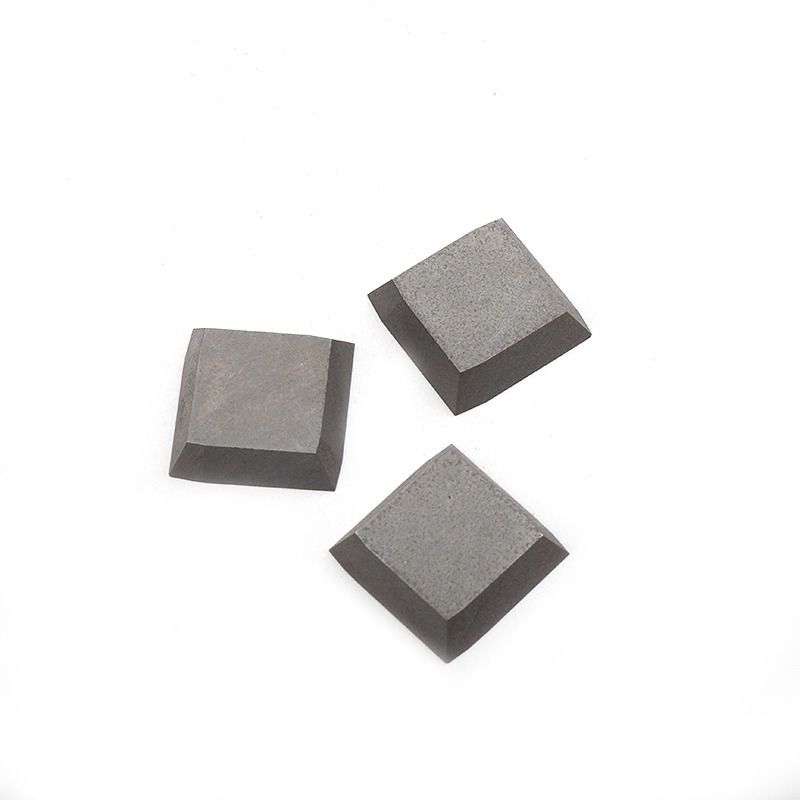
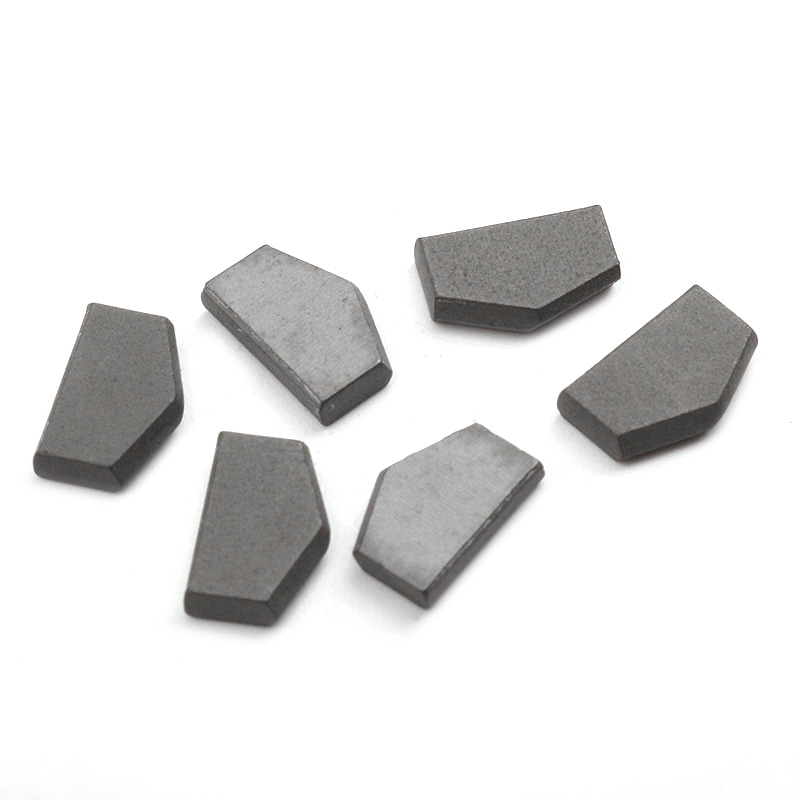
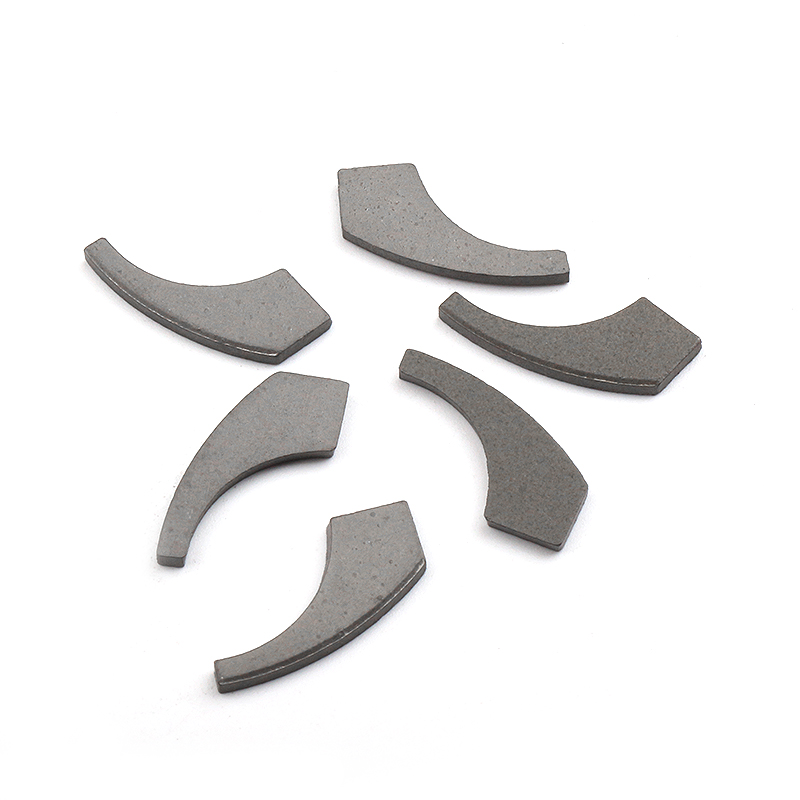
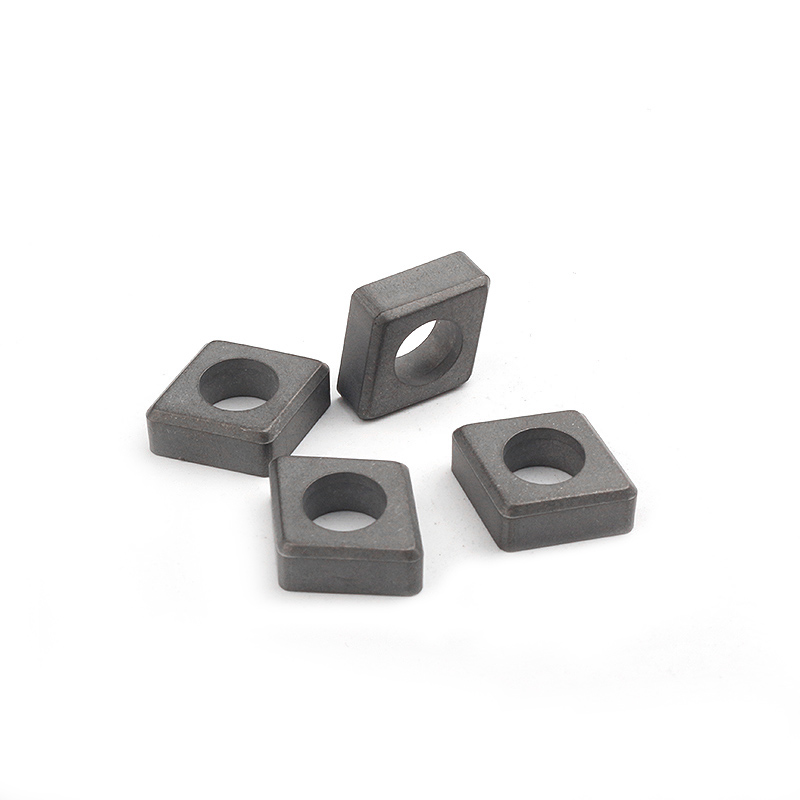
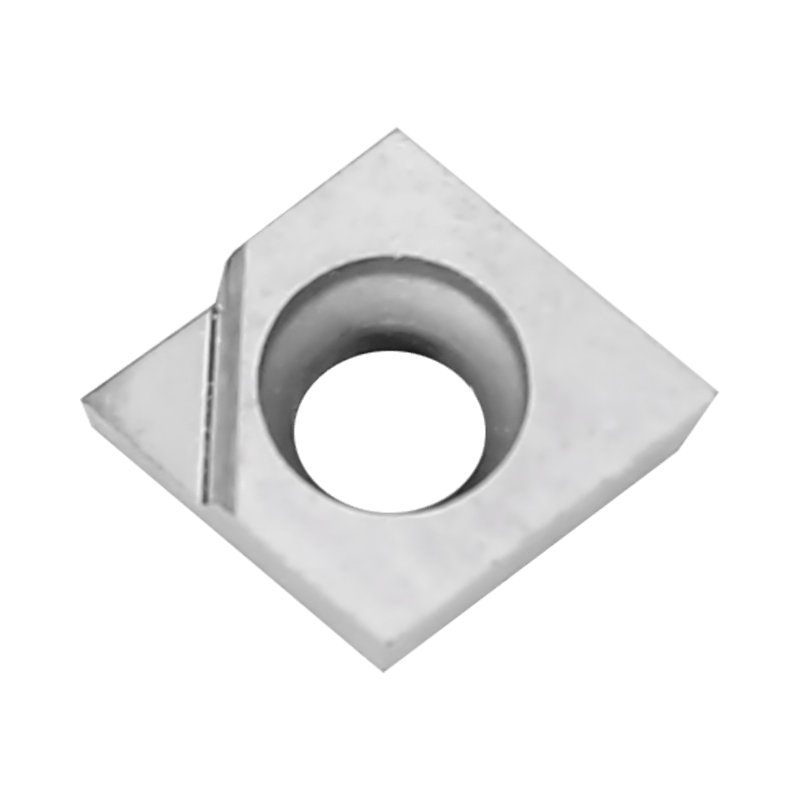
The performance of a carbide welding blade is fundamentally connected to its application. Operators and process engineers often need clarity on the range of materials these tools can machine successfully. The capability to work with diverse materials stems from the specific grade composition developed at an indexable insert factory, which tailors the properties of the carbide welding blade to handle different workpiece challenges.
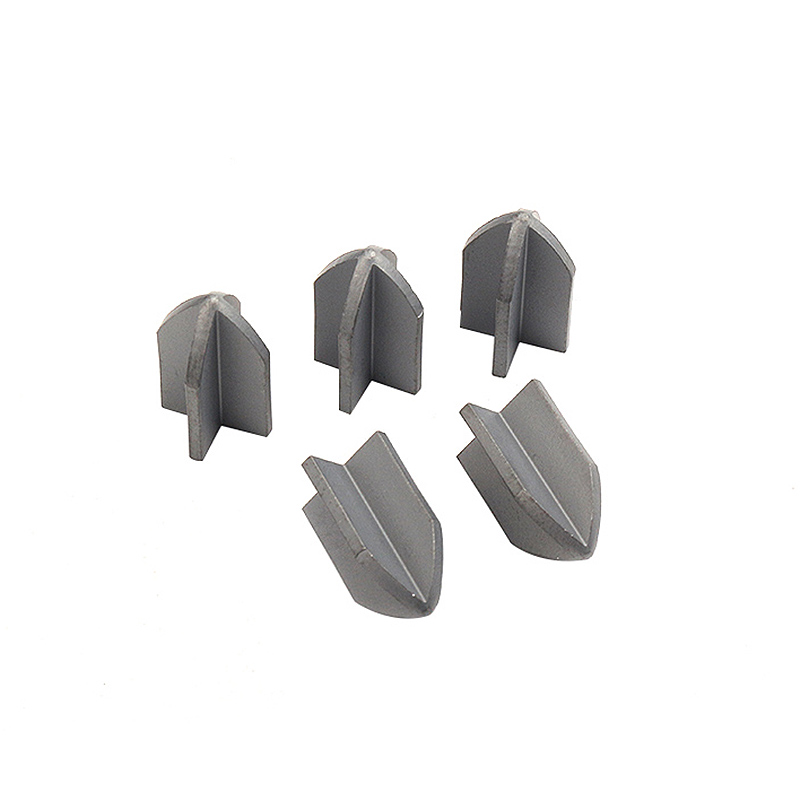
A primary application for many carbide welding blades is machining ferrous materials. This includes gray cast iron, ductile (nodular) iron, and malleable iron. The blade's carbide composition resists the abrasive nature of the graphite flakes or nodules present in these materials. For general steels, including carbon and alloy steels, the selection may involve a balance. A blade grade with adequate heat resistance and edge strength is typically chosen to manage the continuous chip formation and higher cutting temperatures associated with steel machining. The geometry of the blade also plays a role in ensuring chip control and effective cutting action across this wide material family.
Non-ferrous metals like aluminum, brass, and copper alloys present a different set of requirements. These materials are typically softer and more ductile than steel, often causing challenges with material adhesion to the cutting edge and achieving a desired surface finish. For these applications, a carbide welding blade often features a sharper edge preparation and may utilize a grade with a smoother surface finish or specific coating to prevent built-up edge. The focus is on maintaining a clean shearing action to produce well-broken chips and a smooth machined surface, making tool sharpness and appropriate cutting parameters critical factors.
Beyond common metals, certain carbide welding blades are designed for more demanding workpiece materials. Machining these materials generates significant heat and imposes high mechanical stress on the cutting edge. Blades intended for such tasks often employ grades with enhanced hot hardness and chemical stability to resist diffusion wear and deformation. Successful machining here depends heavily on the synergy between a capable blade grade, a rigid setup, and carefully selected speeds and feeds to manage heat and force.
While less common, specialized carbide welding blades are also used on non-metallic materials. This can include certain reinforced plastics, graphite, and composite materials. The key considerations are often the highly abrasive nature of these workpieces. Blades used in this context prioritize wear resistance above other characteristics. Geometry is also adapted to provide clean cuts without delaminating or fraying the composite layers, requiring a keen understanding of the material's structure and behavior under the cutting edge.
The question of what a carbide welding blade can machine is not answered by a simple list, but through an understanding of the relationship between tool properties and material behavior. An indexable insert factory supports this process by offering a range of standardized grades and geometries. The practical approach involves matching the blade's wear resistance to abrasive materials, its toughness to interrupted cuts or harder workpieces, and its thermal properties to high-temperature applications. Effective machining results from aligning the inherent capabilities of a well-manufactured tool with the specific characteristics of the workpiece, supported by sound machining practices and parameters. This alignment allows a single tool category to serve a broad spectrum of industrial machining tasks.
 2th Zhengde Road, Furong Town Industrial Zone, Yueqing City, Wenzhou City, Zhejiang, China
 +86-18368755111 / +86-57762299177
 +86-57762298133
 2528647427@qq.com
Copyright © Zhejiang Yueqing Yueyu Alloy Material Co., Ltd. All Rights Reserved.
Wholesale Carbide Tips Manufacturer