English
 عربى
عربى
Industry News
Home / News / Industry News / What Support Does a Professional Indexable Insert Factory Typically Offer?

2026-02-13
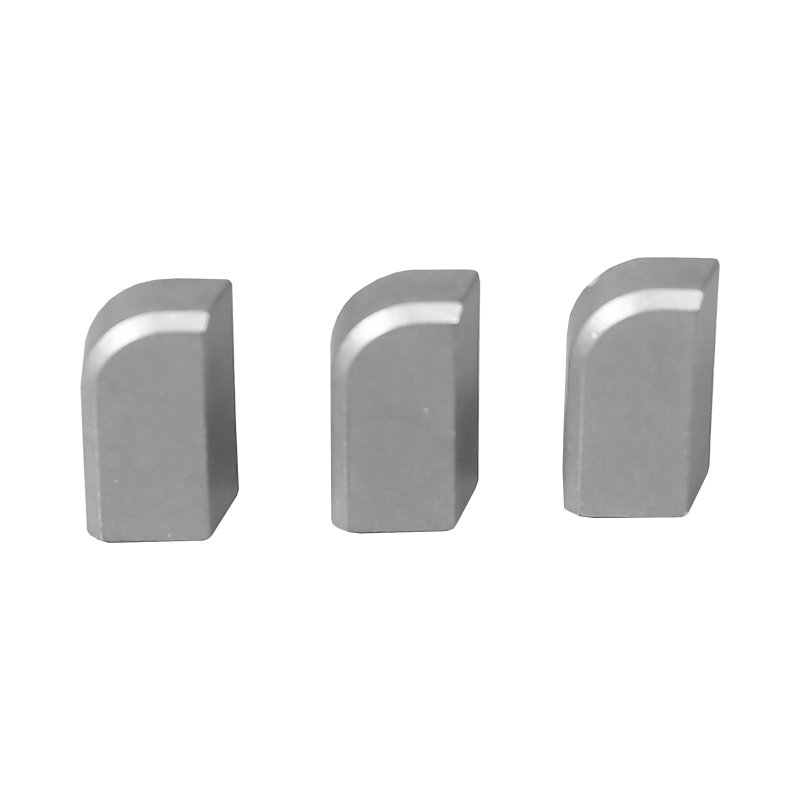
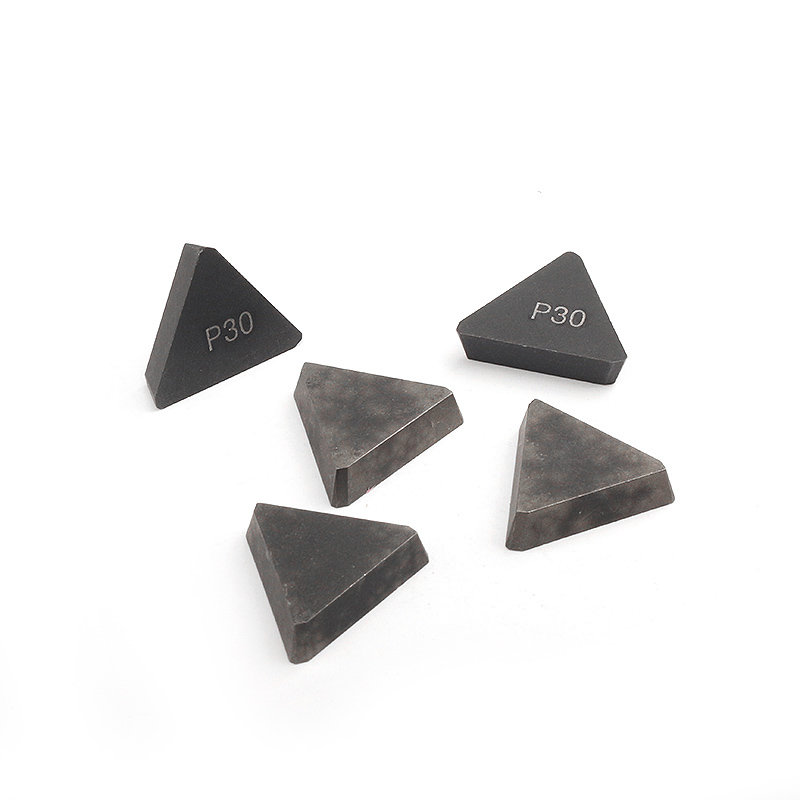
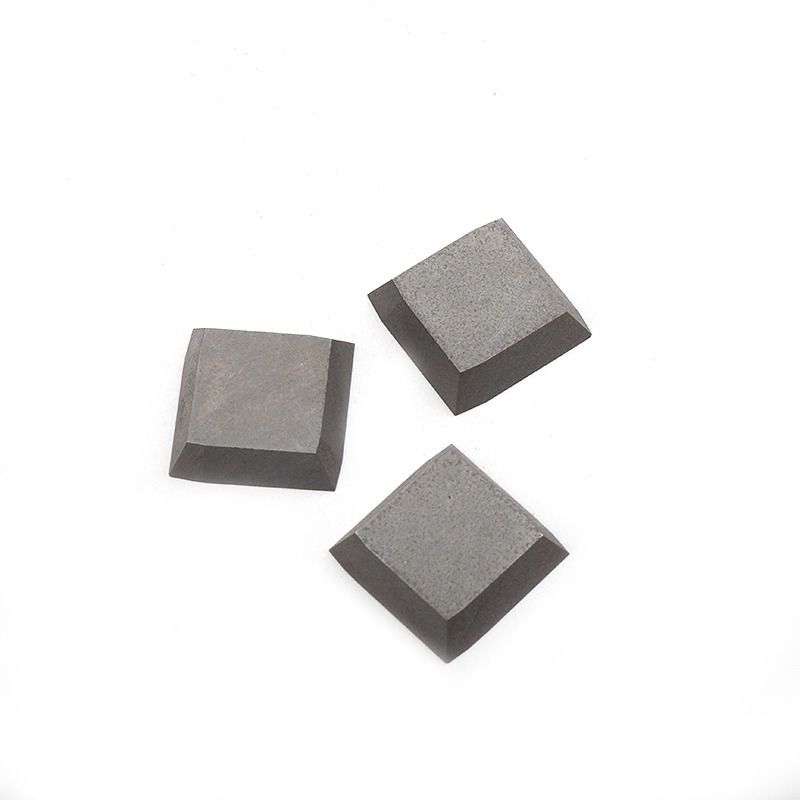
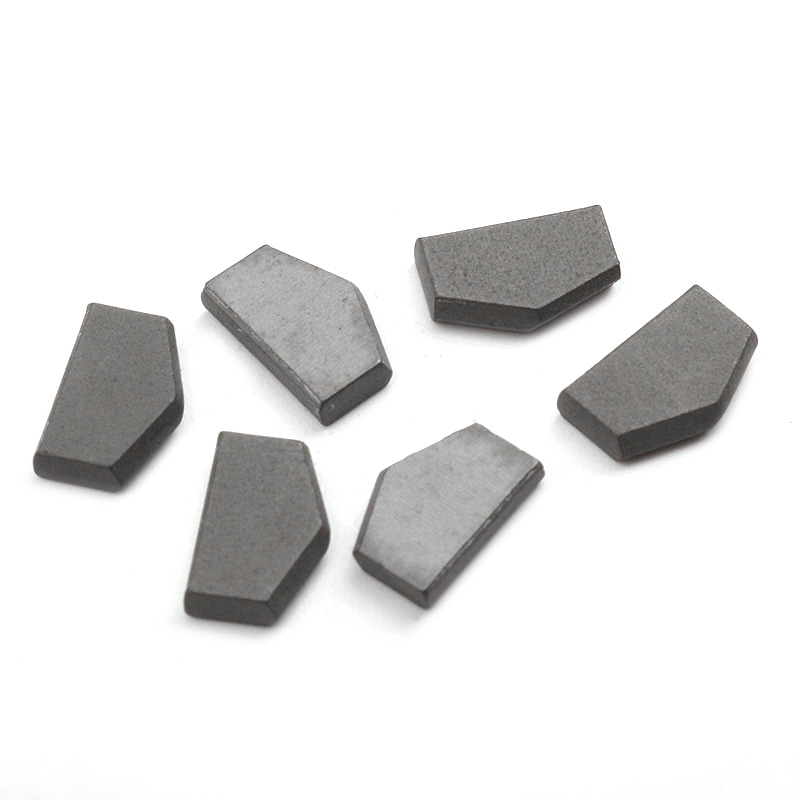
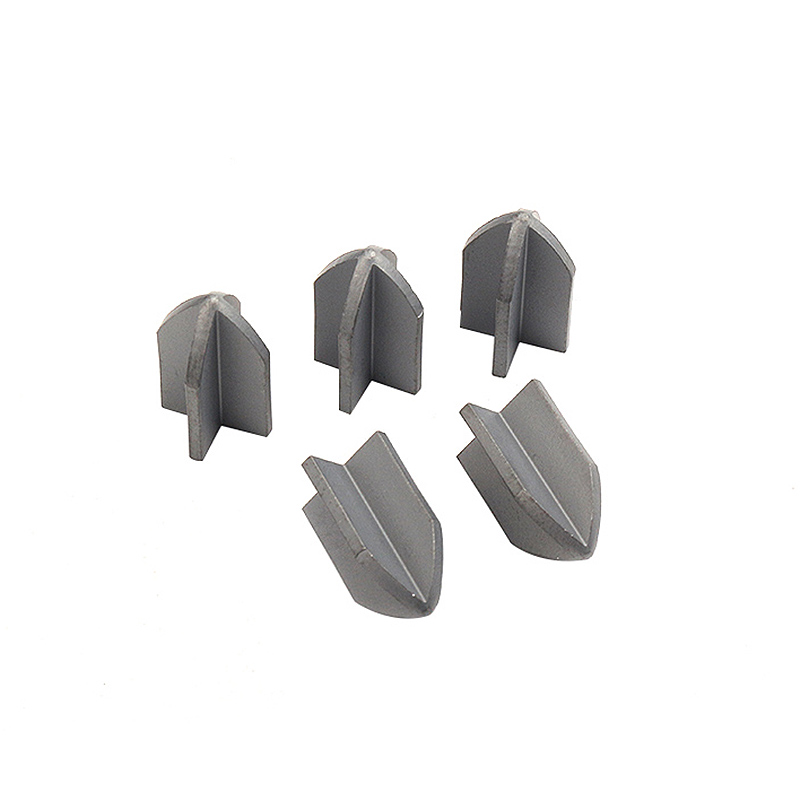
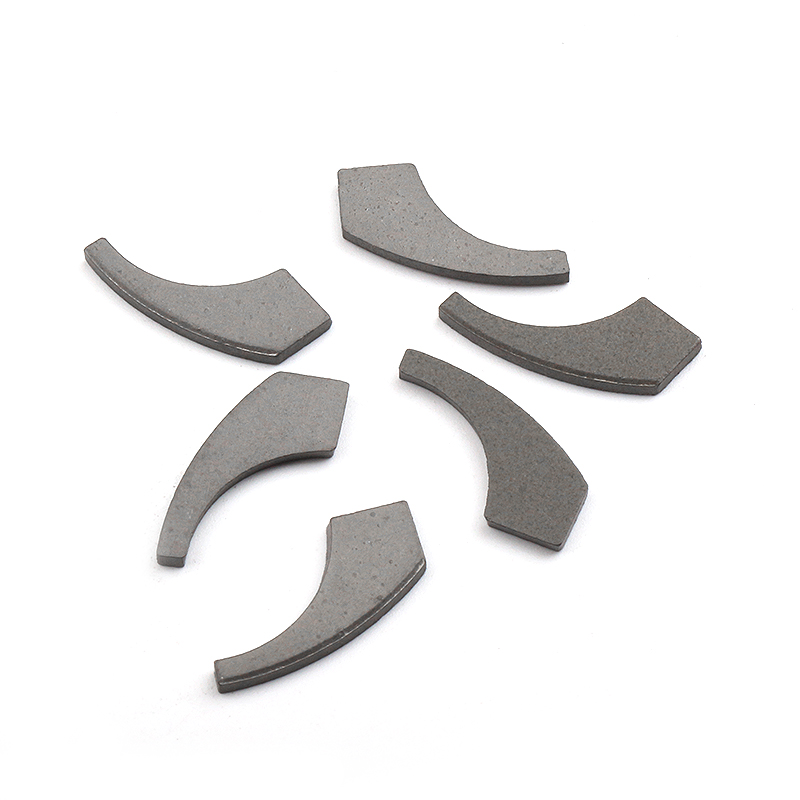
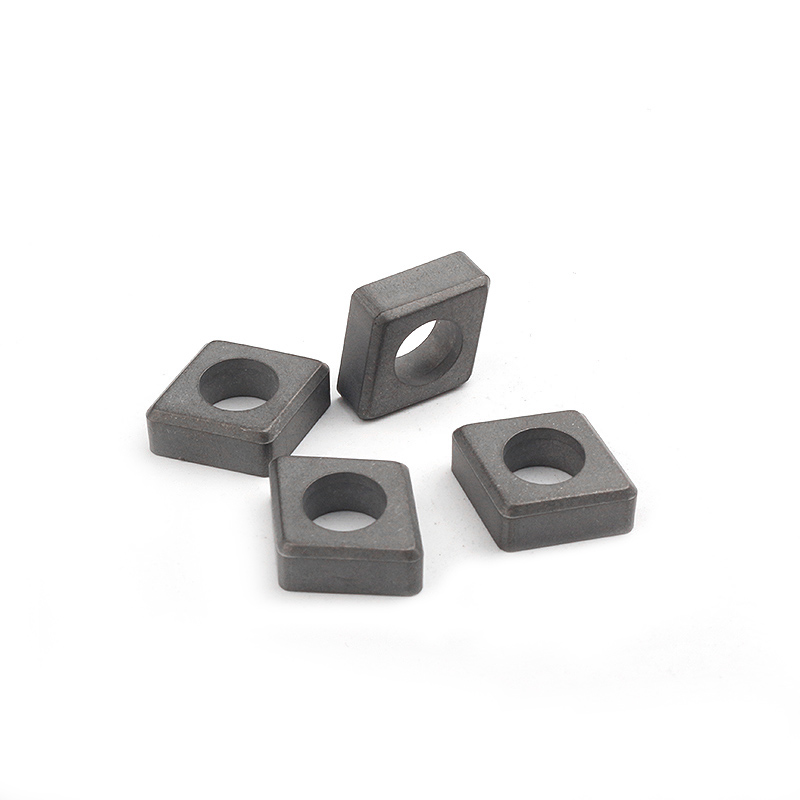
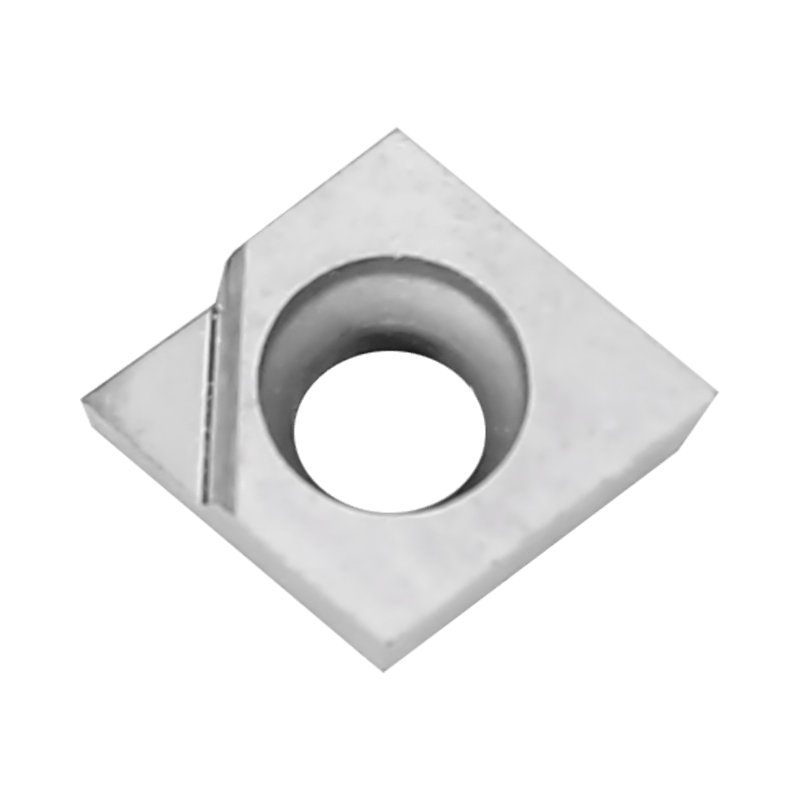
Selecting a source for indexable inserts or carbide welding blades involves more than evaluating a product catalog. The depth of support available from the manufacturing factory can significantly influence machining outcomes, process efficiency, and long-term tooling costs. For engineers and procurement teams, understanding the scope of support a professional indexable insert factory provides is a practical consideration. This support extends from initial selection through to application troubleshooting and process refinement.
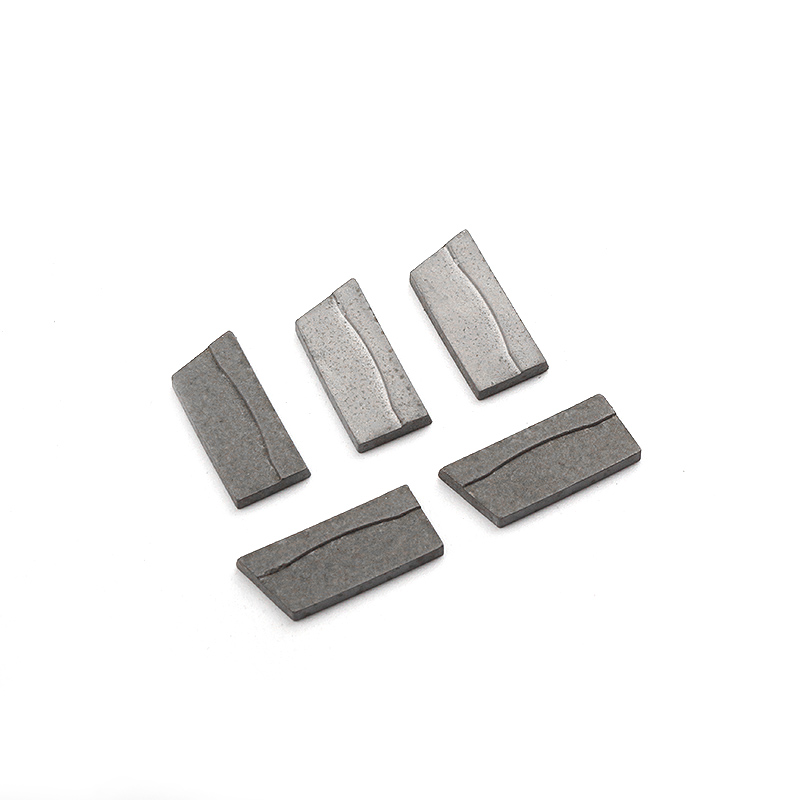
A primary service involves detailed technical consultation. Factories maintain teams with knowledge in machining processes, materials science, and tooling design. The consultation focuses on aligning tool properties with specific workpiece materials—like cast iron, steels, or non-ferrous metals—and the requirements of operations such as turning, milling, or threading. This guidance aims to identify a suitable tool specification that balances wear resistance, toughness, and cost-effectiveness for the given task, helping to prevent under-performance or unnecessary expense.
Beyond product selection, factories often provide supported starting points for machining parameters. Based on the chosen insert grade and geometry, the workpiece material, and the type of operation, technicians can suggest ranges for cutting speed, feed rate, and depth of cut. These recommendations are derived from extensive testing and field data. While final parameters may be adjusted on the shop floor, having a verified baseline from the tool manufacturer reduces trial-and-error time, supports efficient material removal, and contributes to achieving desired surface finishes and dimensional accuracy.
When machining challenges arise, such as premature tool wear, poor surface finish, chipping, or vibration, professional factories offer troubleshooting support. Customers can provide details about the application, observed issues, and tooling used. Experienced engineers analyze this information, often reviewing tool wear patterns, to diagnose probable causes. They may propose adjustments in tool holding, cutting parameters, coolant application, or recommend an alternative tool grade or geometry better suited to the specific cutting conditions. This diagnostic support helps in resolving production bottlenecks and improving process stability.
Standard catalog items meet many needs, but unique applications sometimes require tailored solutions. Factories with strong engineering support can engage in custom tool design. This might involve modifying a standard carbide welding blade's geometry, creating a non-standard insert shape for a proprietary toolholder, or developing a special grade blend for a particularly abrasive or tough-to-machine material. This collaborative design process ensures the tool is developed with the application's specific challenges in mind, providing a focused solution where standard offerings may not be fully effective.
To help users achieve improved results, many factories organize training sessions or provide technical resources. These can cover topics like proper tool handling and installation, understanding wear patterns and failure modes, implementing effective tool management strategies, and updates on new materials or machining techniques. This knowledge transfer empowers shop floor personnel and process planners to use tools more effectively, contributing to overall productivity and cost management.
Consistent production requires a reliable supply of tooling. Professional factories often work with customers to establish streamlined supply chain solutions. This can include scheduled delivery programs, vendor-managed inventory systems, or maintaining safety stock for frequently used items. Such coordination helps reduce machine downtime waiting for tools and simplifies procurement and inventory management for the user.
 2th Zhengde Road, Furong Town Industrial Zone, Yueqing City, Wenzhou City, Zhejiang, China
 +86-18368755111 / +86-57762299177
 +86-57762298133
 2528647427@qq.com
Copyright © Zhejiang Yueqing Yueyu Alloy Material Co., Ltd. All Rights Reserved.
Wholesale Carbide Tips Manufacturer