English
 عربى
عربى
Industry News
Home / News / Industry News / How Carbide Tips Contribute to Precision and Speed in Drilling Operations

2026-04-24
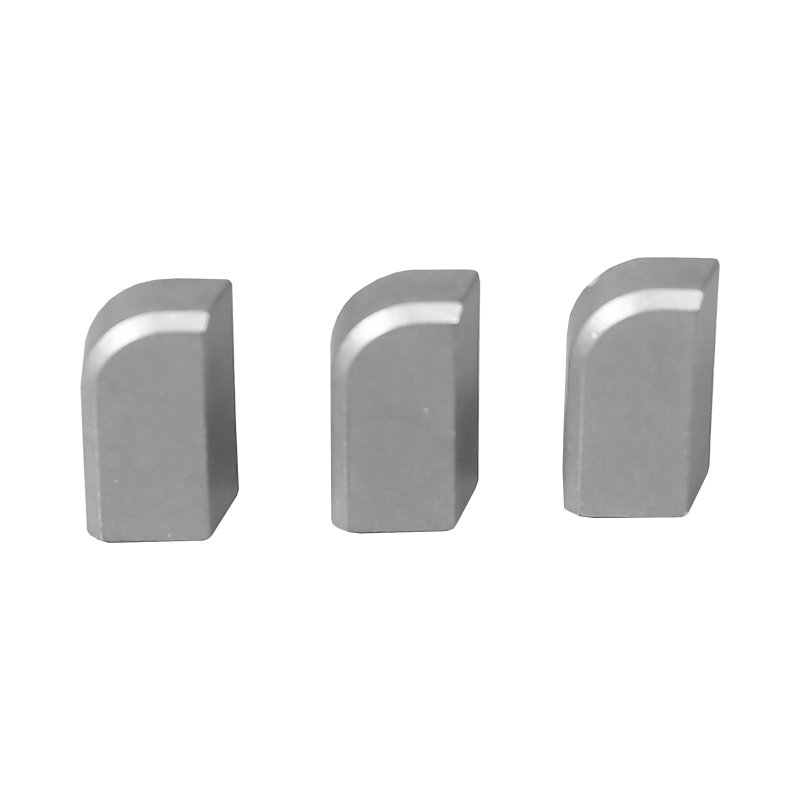
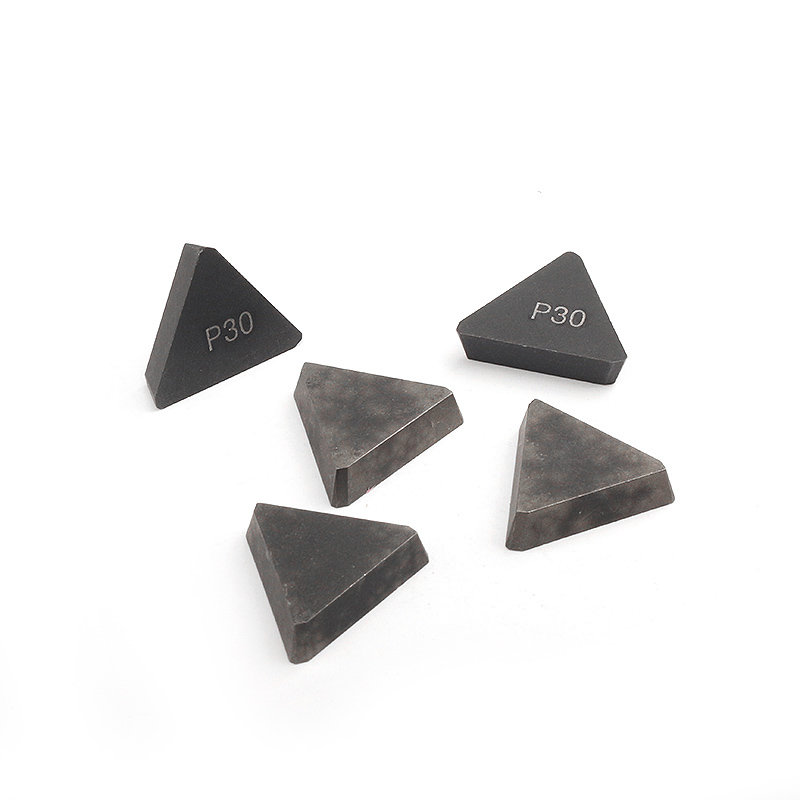
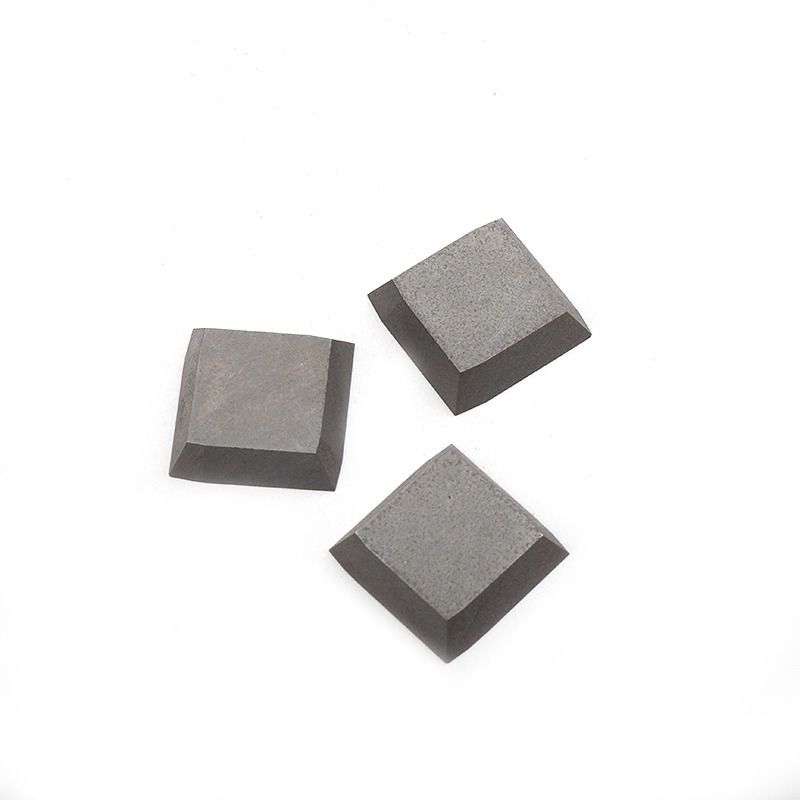
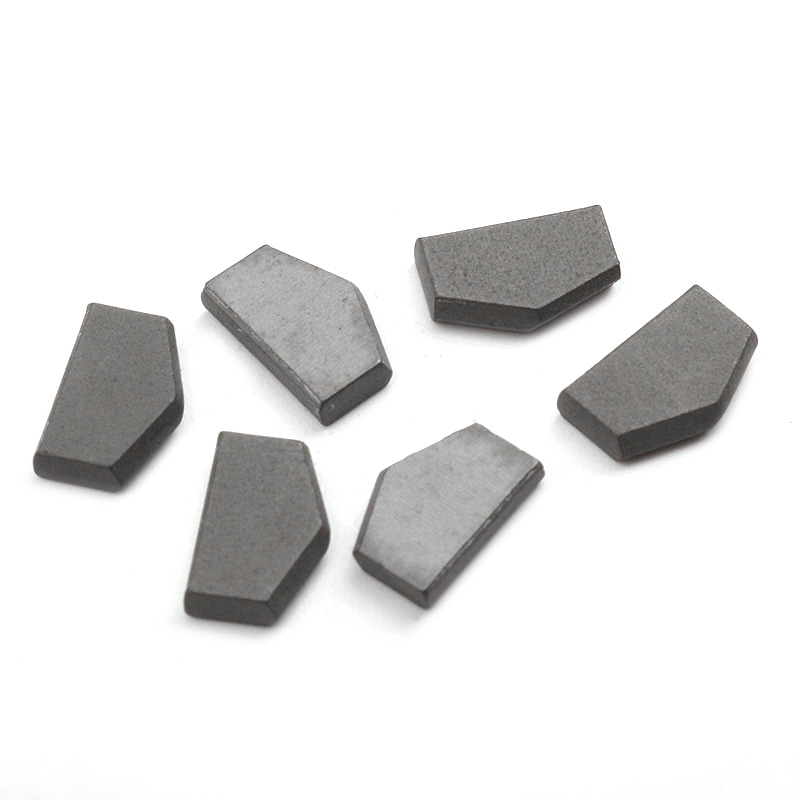
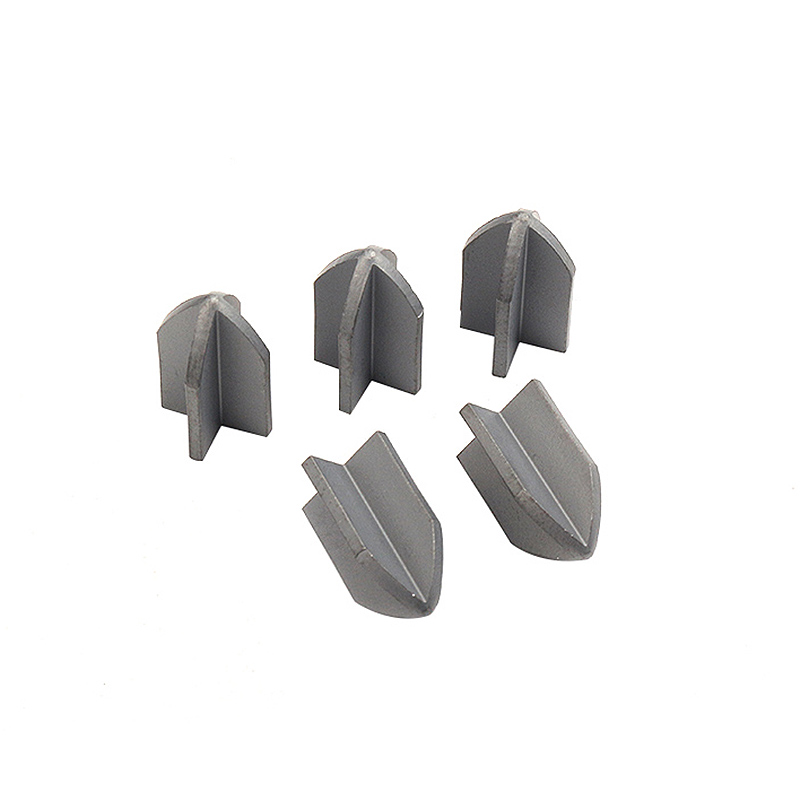
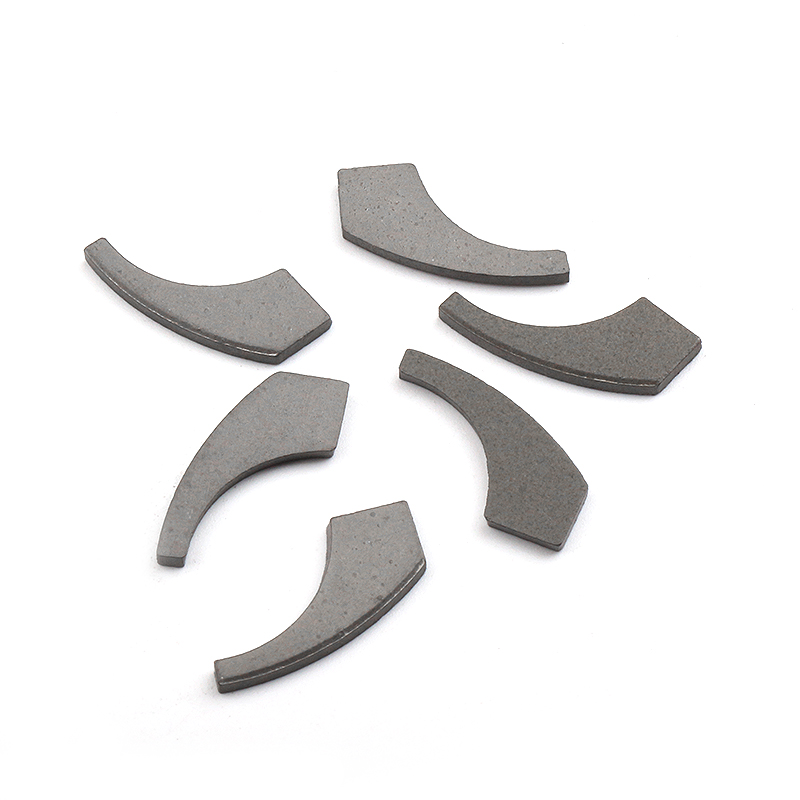
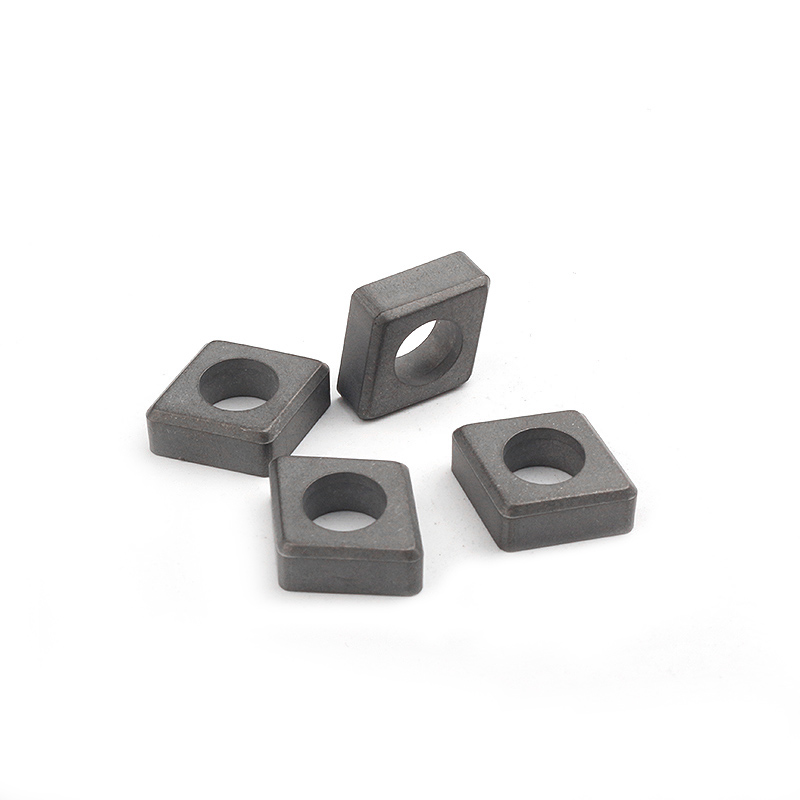
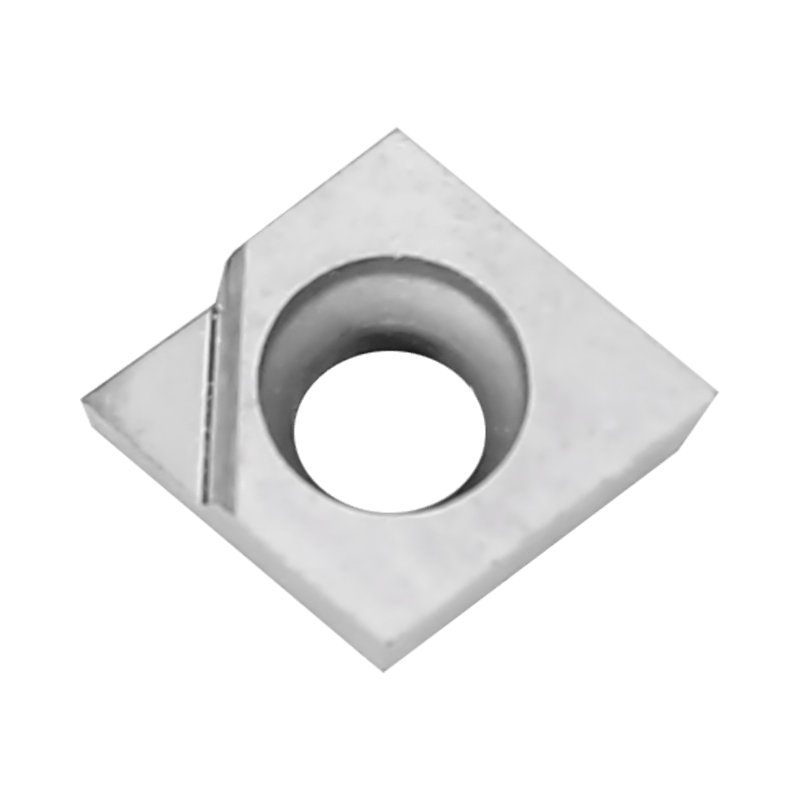
In the world of drilling operations, precision and speed are paramount. Achieving these two qualities requires the use of tools that offer consistent performance over extended periods of use. Indexable inserts and carbide tips are essential components that enhance the effectiveness of drilling tools, ensuring smoother operations and more accurate results. Carbide tips, in particular, play a critical role in achieving the desired balance between cutting precision and operational speed. Below, we explore the contributions of carbide tips to drilling operations and how they can impact various aspects of machining performance.
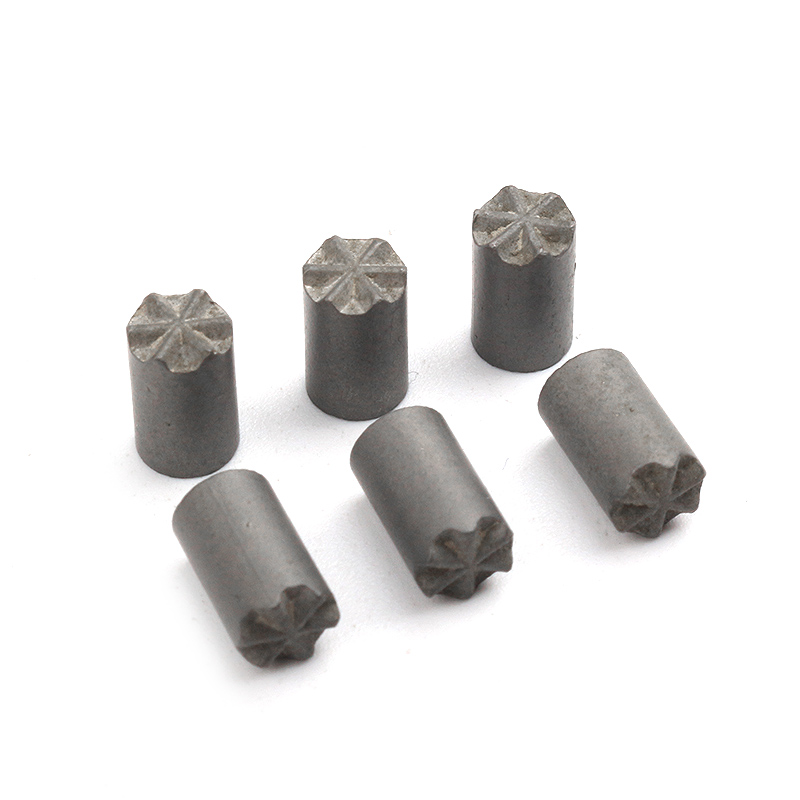
Carbide tips are widely recognized for their superior hardness and resistance to wear. This allows them to maintain sharp cutting edges for longer durations, which is vital for ensuring consistent precision in drilling tasks. Unlike standard steel bits, carbide tips are capable of withstanding the high forces and friction generated during drilling, maintaining their shape and sharpness. This characteristic contributes significantly to the accuracy of hole dimensions and the overall quality of the finished workpiece.
For high-precision drilling tasks, such as those found in aerospace or automotive applications, carbide-tipped tools ensure that the desired tolerance levels are met with minimal deviation. They also provide excellent surface finish quality, reducing the need for post-processing.
|
Property |
Carbide Tips |
Steel Tips |
|
Hardness |
High |
Medium |
|
Wear Resistance |
Very High |
Low to Medium |
|
Cutting Edge Retention |
Long-lasting |
Shorter lifespan |
|
Heat Resistance |
Excellent |
Moderate |
One of the significant advantages of carbide tips is their ability to maintain high-speed cutting without sacrificing performance. Carbide, being a dense and robust material, can withstand high temperatures generated during rapid drilling without softening or losing its edge. This enables drilling operations to be completed faster, which is especially beneficial in high-demand manufacturing environments where time efficiency is crucial.
By incorporating carbide tips, drilling machines can achieve higher cutting speeds, reducing the overall cycle time of the machining process. The increased cutting speed, however, does not compromise the quality of the drilled hole, as the material's properties ensure that the tools remain effective under demanding conditions.
The longevity of carbide-tipped tools significantly impacts operational efficiency. Due to their enhanced durability, carbide tips require less frequent replacements compared to other materials. This results in fewer tool changes, reducing machine downtime and allowing for longer, uninterrupted production runs.
In industries where high volumes of drilling are required, the extended lifespan of carbide tools can cause significant cost savings. Fewer tool replacements also reduce the labor and logistical efforts associated with managing tool inventory.
Drilling through challenging materials like stainless steel, titanium alloys, or cast iron demands tools that can maintain their cutting edge without excessive wear. Carbide tips are well-suited for these demanding materials because they are less likely to suffer from material deformation or loss of sharpness. As a result, carbide-tipped drills can cut through tough materials more efficiently than standard steel or other alloy-based tools.
In addition to toughness, carbide tips also provide excellent chip removal capabilities. The sharper edges ensure that chips are effectively ejected during drilling, which helps in maintaining smooth, high-quality cuts.
Q1. How do carbide tips compare to other materials in terms of cutting efficiency?
Carbide tips maintain sharpness longer and can handle higher cutting speeds without compromising precision. While other materials may offer faster wear rates, carbide provides a balanced approach to cutting efficiency and tool longevity.
Q2. Can carbide tips be used for all types of drilling operations?
Carbide tips are ideal for hard materials and high-precision applications, but their performance can be optimized by selecting the correct carbide grade for the specific material being drilled.
Q3. Are carbide-tipped drills more expensive than steel drills?
While carbide-tipped drills tend to be more expensive initially, their durability and longer lifespan often make them a more cost-effective choice in the long run, especially in high-volume operations.
Q4. How do I know when to replace a carbide tip?
Signs that a carbide tip needs replacement include reduced cutting efficiency, visible damage or chipping on the cutting edge, or difficulty in maintaining precision during drilling.
Q5. Can carbide tips be re-sharpened?
Yes, carbide tips can be re-sharpened, but it requires specialized equipment. Proper sharpening can extend the tool's lifespan, though it is important to follow recommended procedures to avoid damaging the tip.
 2th Zhengde Road, Furong Town Industrial Zone, Yueqing City, Wenzhou City, Zhejiang, China
 +86-18368755111 / +86-57762299177
 +86-57762298133
 2528647427@qq.com
Copyright © Zhejiang Yueqing Yueyu Alloy Material Co., Ltd. All Rights Reserved.
Wholesale Carbide Tips Manufacturer