English
 عربى
عربى
Industry News
Home / News / Industry News / Why Is Geometry From Your Indexable Insert Factory Crucial for Performance?

2026-02-27
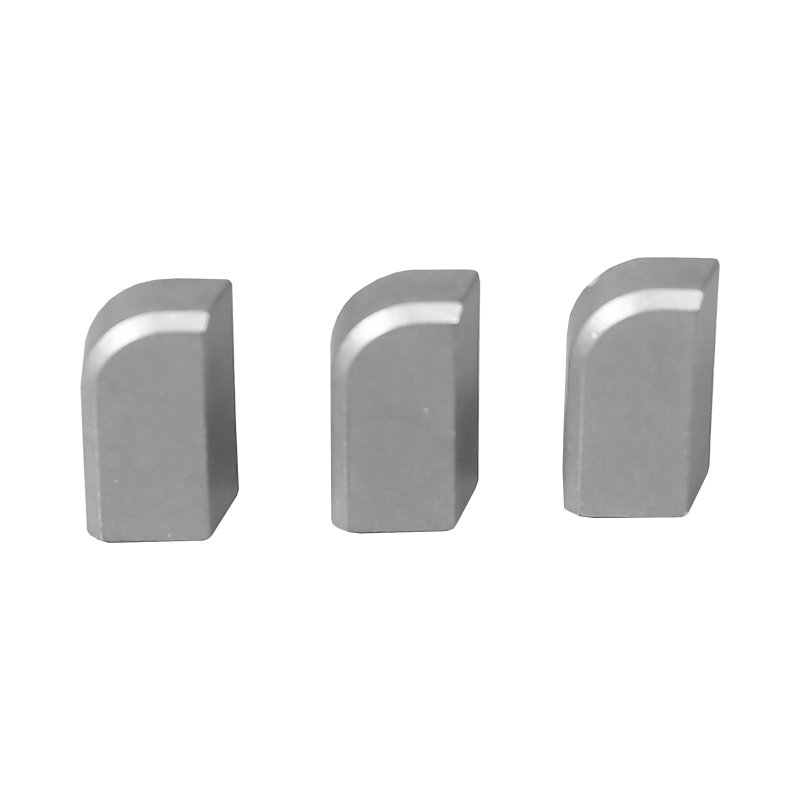
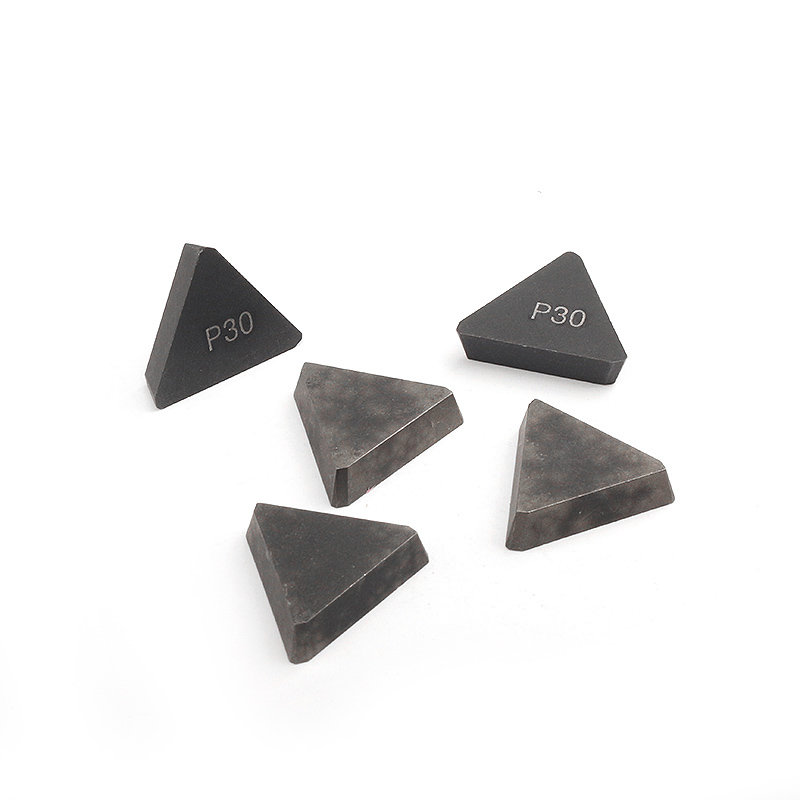
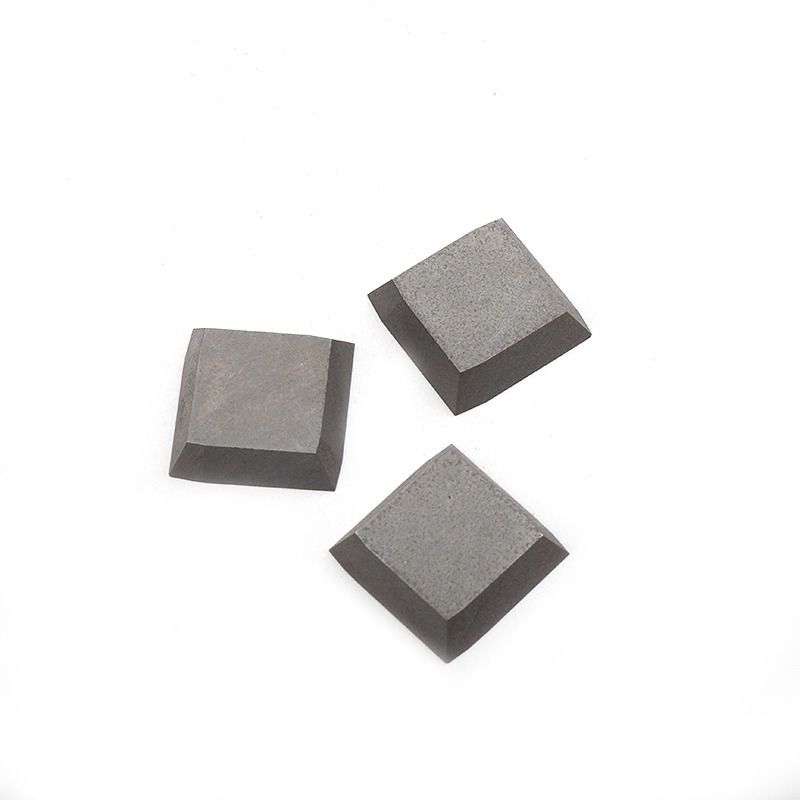
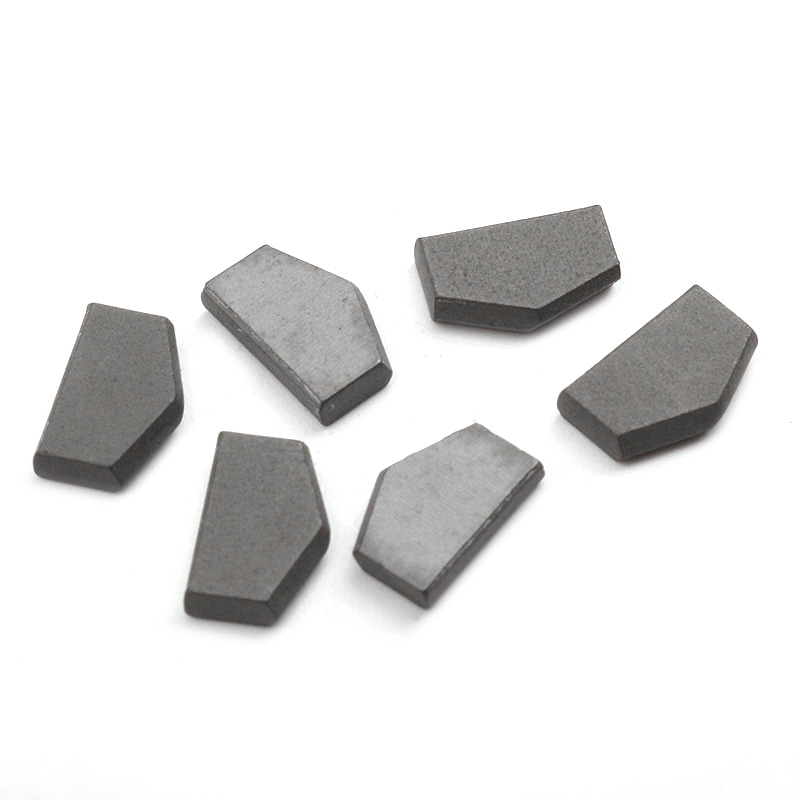
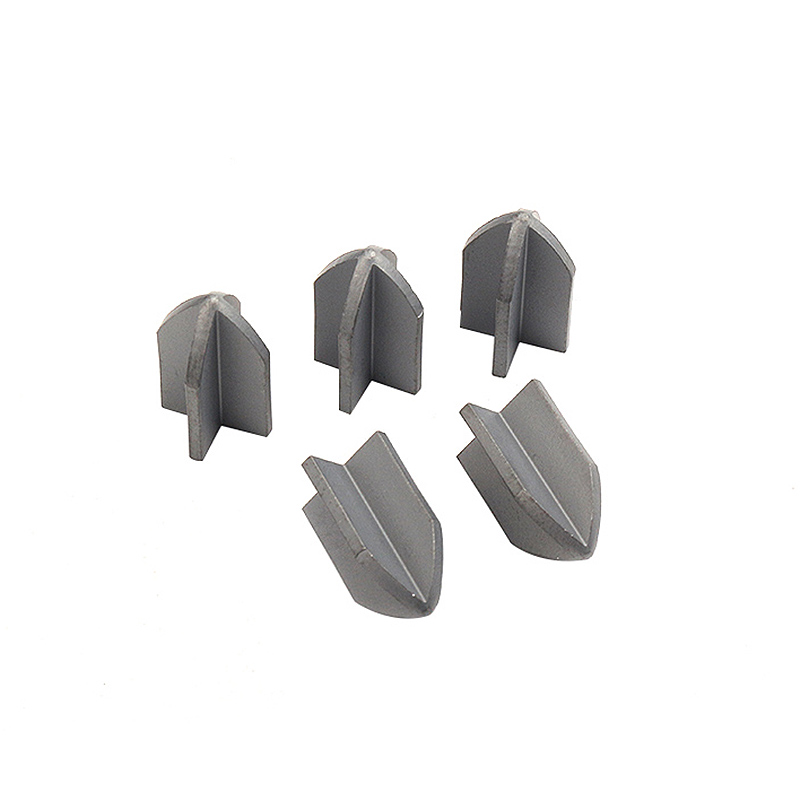
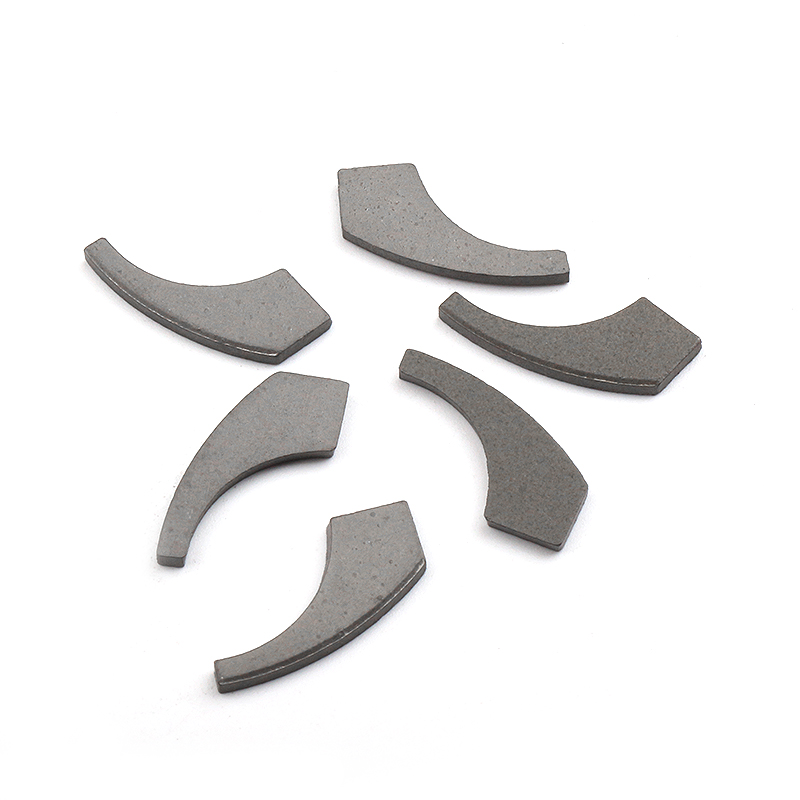
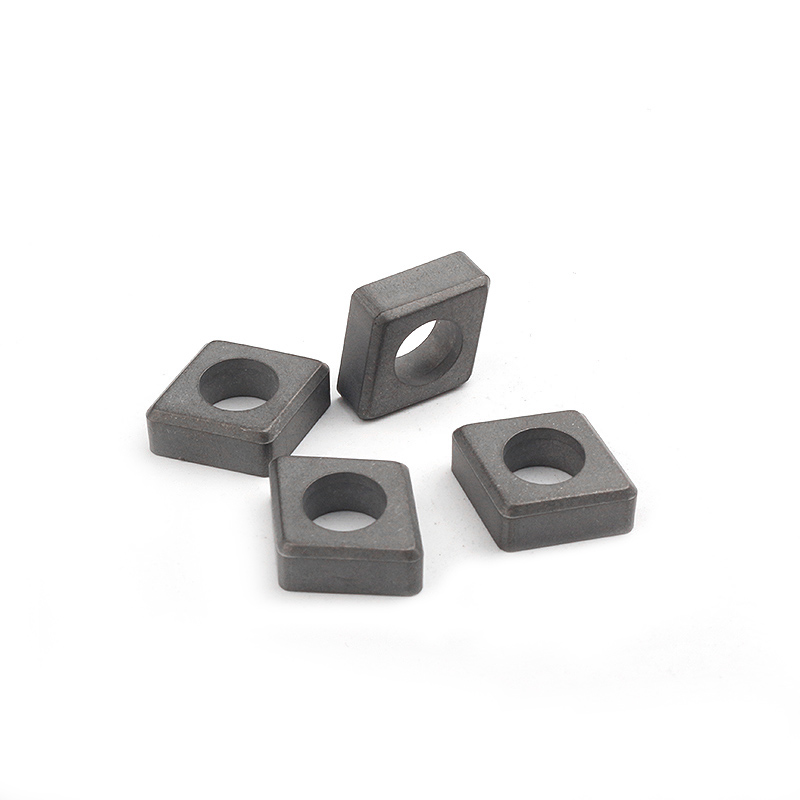
Machining performance is often discussed in terms of material grades or coatings, yet geometry quietly shapes how a cutting tool behaves in real production. From chip control to cutting stability, the form of an insert determines whether a process runs smoothly or constantly needs adjustment. When working with products from an Indexable Insert Factory and related solutions such as a Carbide Welding Blade, understanding geometry is not just a technical detail but a practical way to solve everyday machining challenges. The following discussion focuses on how insert geometry influences cutting results and how users can evaluate and select suitable designs for their applications.
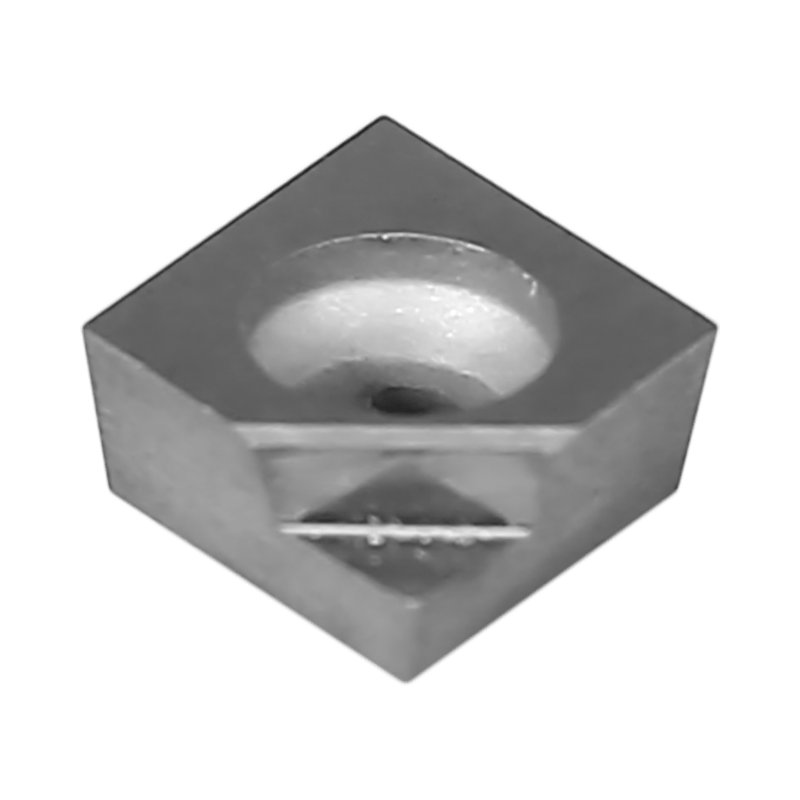
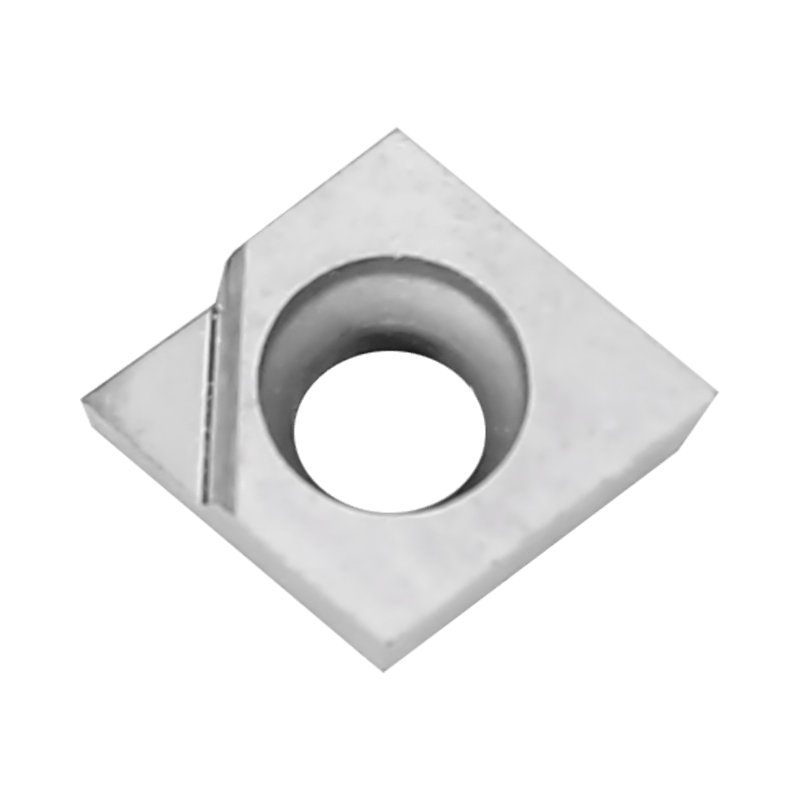
Cutting geometry is the interface where the tool meets the workpiece. Rake angle, clearance angle, cutting edge radius, and chip breaker shape together define how material is sheared away. Geometry from an Indexable Insert Factory is typically designed to address specific cutting conditions, such as roughing, finishing, interrupted cuts, or heat-sensitive materials.
A positive rake angle, for example, allows the cutting edge to enter material with less resistance. This can reduce cutting force and vibration when machining softer steels or non-ferrous metals. A negative rake angle, on the other hand, strengthens the edge and is more suited to harder materials or heavy cuts.
For users of a Carbide Welding Blade, geometry also affects how the blade engages with welded seams or hard overlay areas. Welds often have uneven hardness and surface conditions, so a geometry that supports stable engagement and controlled chip formation can help maintain consistent cutting behavior.
One of the visible outcomes of insert geometry is chip shape. Poorly controlled chips can wrap around the tool, damage the workpiece, or interrupt automated processes. Chip breaker design, which is part of insert geometry, plays a central role here.
An Indexable Insert Factory may offer multiple chip breaker styles for the same insert shape. Shallow chip breakers are commonly used for light cutting and finishing, where chips are thin and need gentle guidance. Deeper chip breakers are intended for heavier cuts, helping curl and break thicker chips before they become problematic.
In operations involving a Carbide Welding Blade, chip control becomes especially relevant when cutting across weld beads. Weld material can produce irregular chips due to its varying composition. A geometry that encourages predictable chip flow can reduce the risk of sudden tool loading or surface damage, which is a common concern in welded components.
Edge preparation refers to how sharp or rounded the cutting edge is. While a very sharp edge can reduce cutting force, it may also be more sensitive to chipping, especially in harder or abrasive materials. A slightly honed or chamfered edge provides added strength at the cutting edge, though it requires slightly higher cutting force.
Indexable insert geometry often includes a defined edge preparation to balance wear resistance and cutting stability. This balance is application-dependent. For example, continuous turning of mild steel may favor a sharper edge, while interrupted cuts or cast materials benefit from a reinforced edge.
For a Carbide Welding Blade, edge preparation is closely tied to how the blade handles transitions between base material and weld metal. A reinforced edge can help maintain consistency when encountering harder zones within the weld, reducing unexpected edge damage.
Clearance angle determines how much space exists between the insert flank and the machined surface. Insufficient clearance can cause rubbing rather than cutting, causing heat buildup and surface issues. Excessive clearance, however, may weaken the cutting edge.
An Indexable Insert Factory designs clearance angles based on tool holder geometry and intended applications. Inserts for finishing often have larger clearance angles to support smooth surface contact, while roughing inserts may use smaller clearance angles to strengthen the edge.
Heat management is also influenced by geometry. Proper clearance allows chips to carry heat away from the cutting zone. In the context of a Carbide Welding Blade, this becomes important because welded areas can retain heat differently than base material. Geometry that promotes clean chip evacuation helps maintain stable cutting temperatures without relying solely on coolant adjustments.
Vibration is a frequent issue in machining, especially when dealing with long overhangs or uneven materials. Insert geometry directly affects cutting forces, which in turn influence vibration behavior.
A well-designed geometry distributes cutting forces more evenly across the edge. This reduces sudden force spikes that can trigger chatter. Many designs from an Indexable Insert Factory focus on stabilizing the cutting action rather than pushing for aggressive engagement.
When using a Carbide Welding Blade on fabricated parts, vibration control is equally important. Welded structures may lack uniform rigidity, making them more prone to vibration. Geometry that supports smooth entry and exit from the cut can help maintain dimensional consistency and surface quality.
 2th Zhengde Road, Furong Town Industrial Zone, Yueqing City, Wenzhou City, Zhejiang, China
 +86-18368755111 / +86-57762299177
 +86-57762298133
 2528647427@qq.com
Copyright © Zhejiang Yueqing Yueyu Alloy Material Co., Ltd. All Rights Reserved.
Wholesale Carbide Tips Manufacturer