English
 عربى
عربى
Industry News
Home / News / Industry News / Carbide Tips: Choosing the Right Material for Long-Lasting Tool Performance

2026-04-17
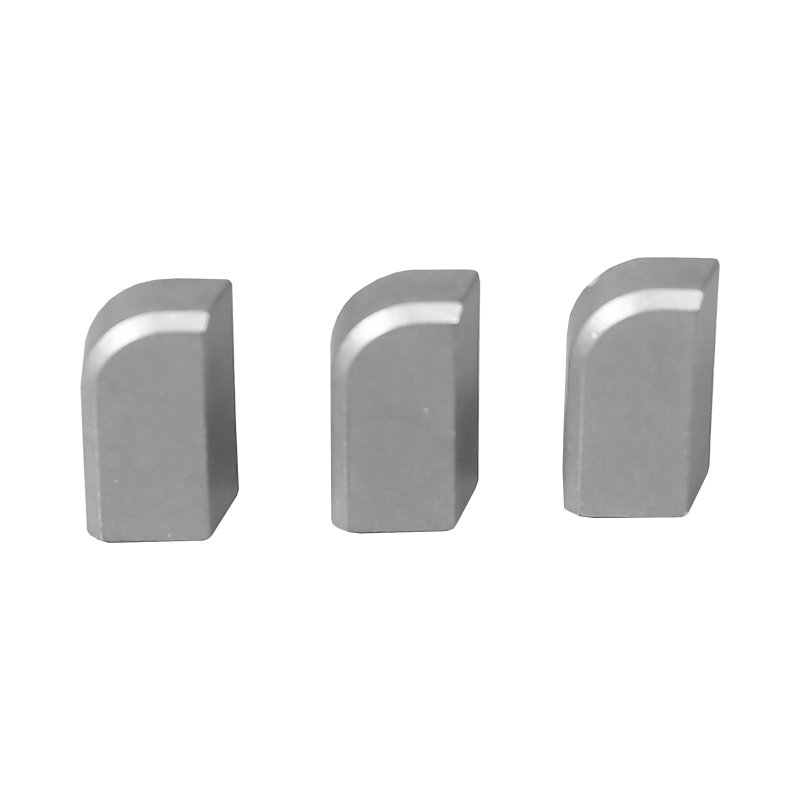
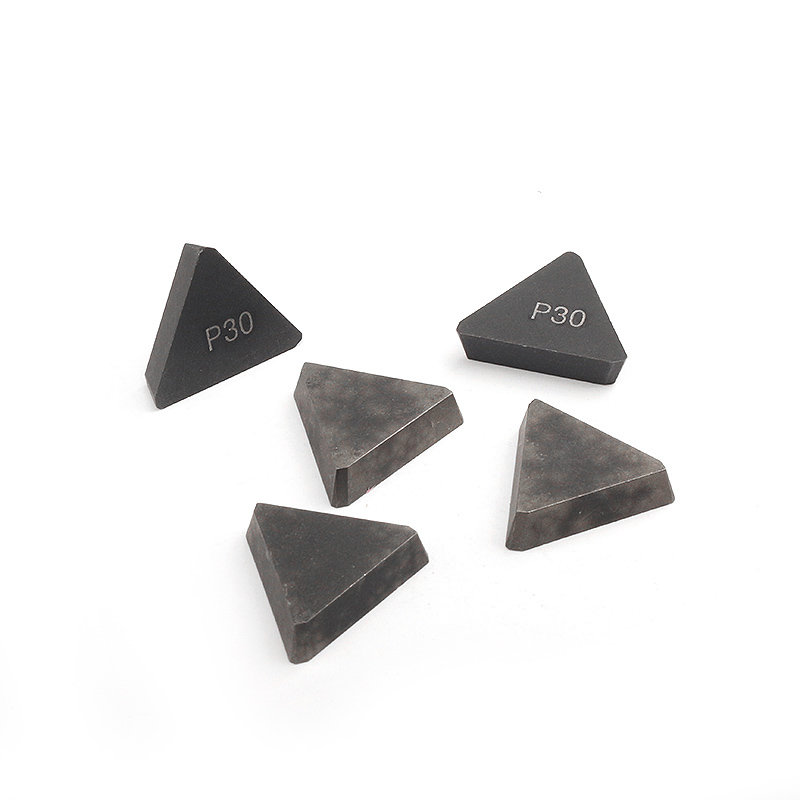
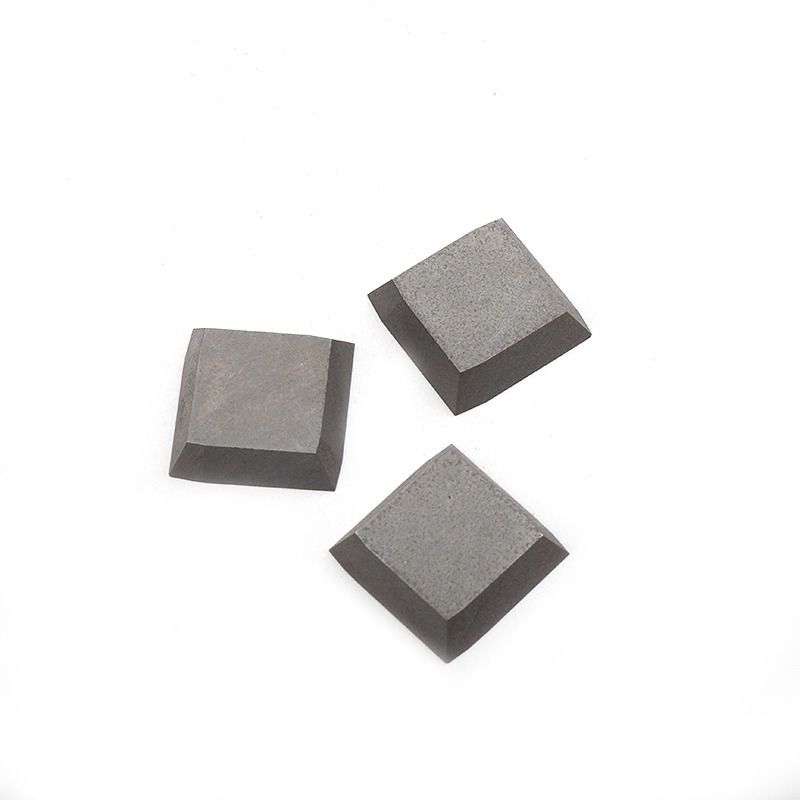
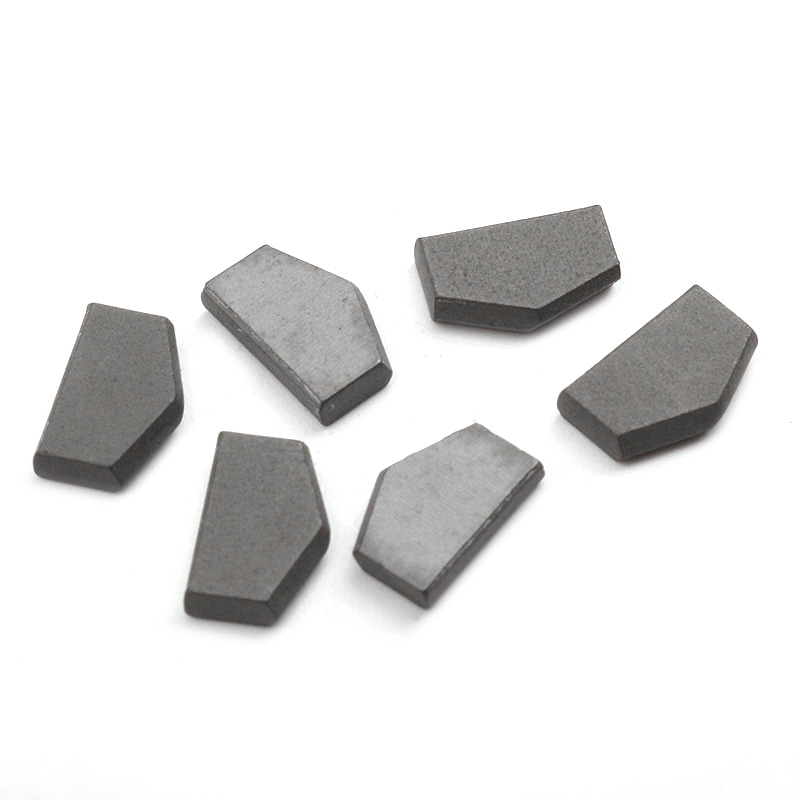
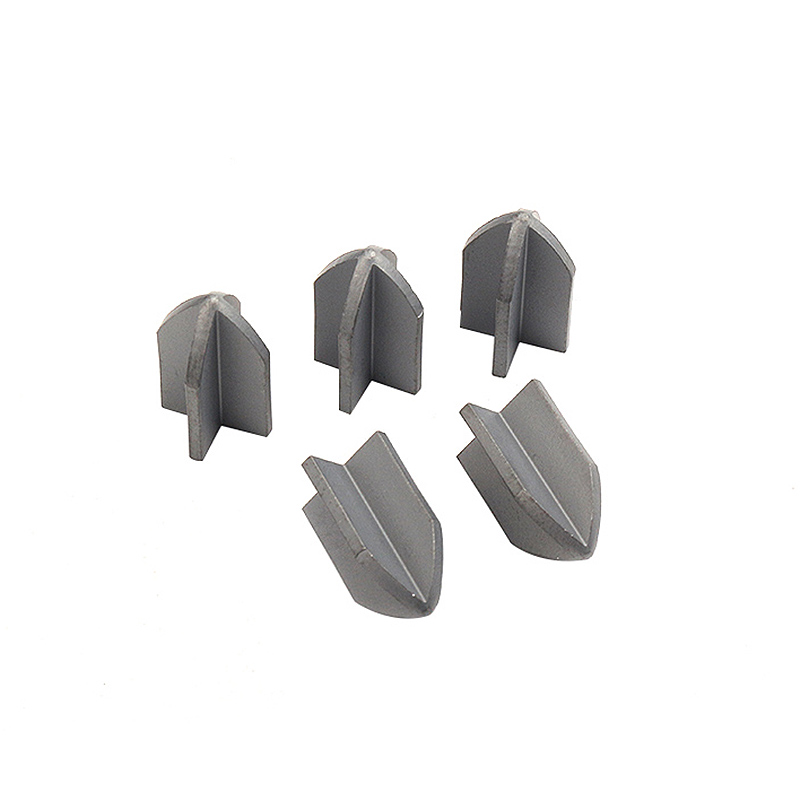
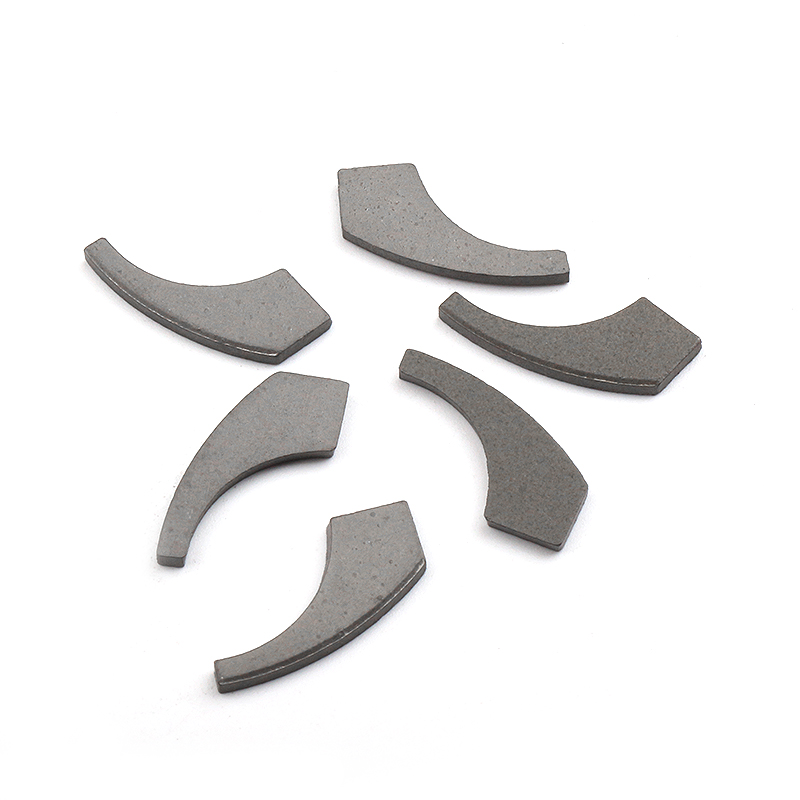
When it comes to precision machining, choosing the right tools can make a significant difference in productivity and cost-effectiveness. One of the essential components in these tools is the carbide tip. Carbide tips are widely recognized for their durability, strength, and wear resistance, making them an indispensable choice for many industries, including manufacturing, aerospace, and automotive.
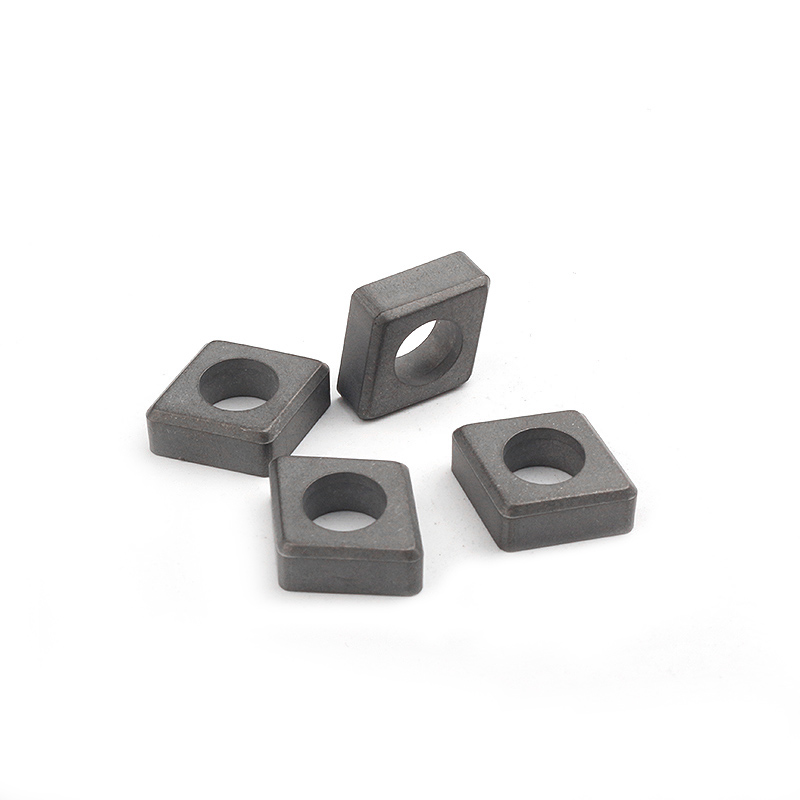
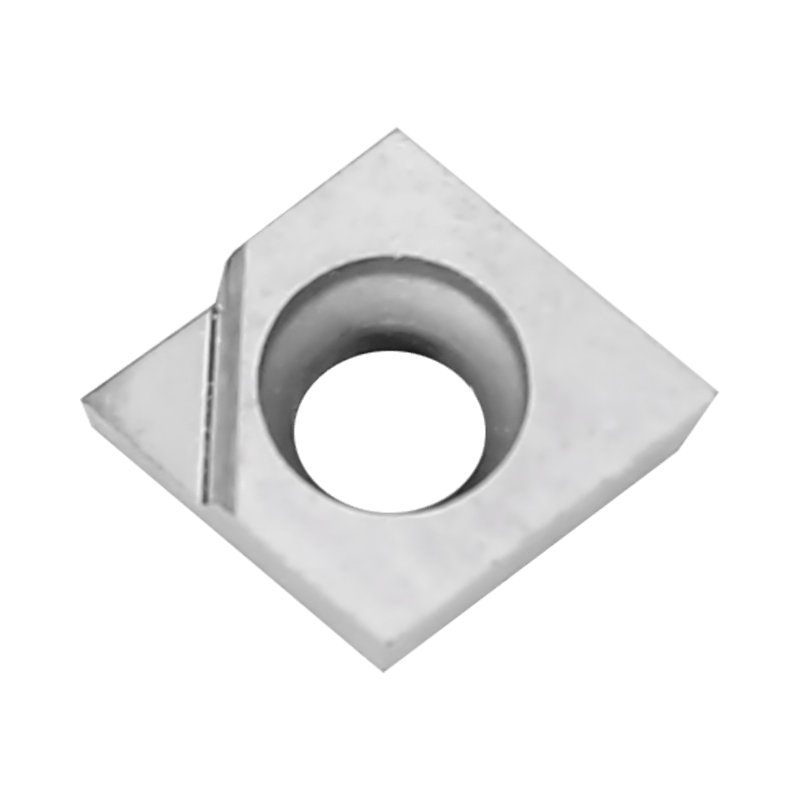
Carbide tips are made from tungsten carbide, a compound known for its hardness and resistance to wear. These tips are commonly used in cutting tools, including indexable inserts, which are components that can be replaced once they become worn. The benefits of using carbide tips are clear—longer-lasting tools, reduced downtime, and higher machining accuracy. However, selecting the right carbide material for specific applications requires a thorough understanding of the material properties and the requirements of the task at hand.
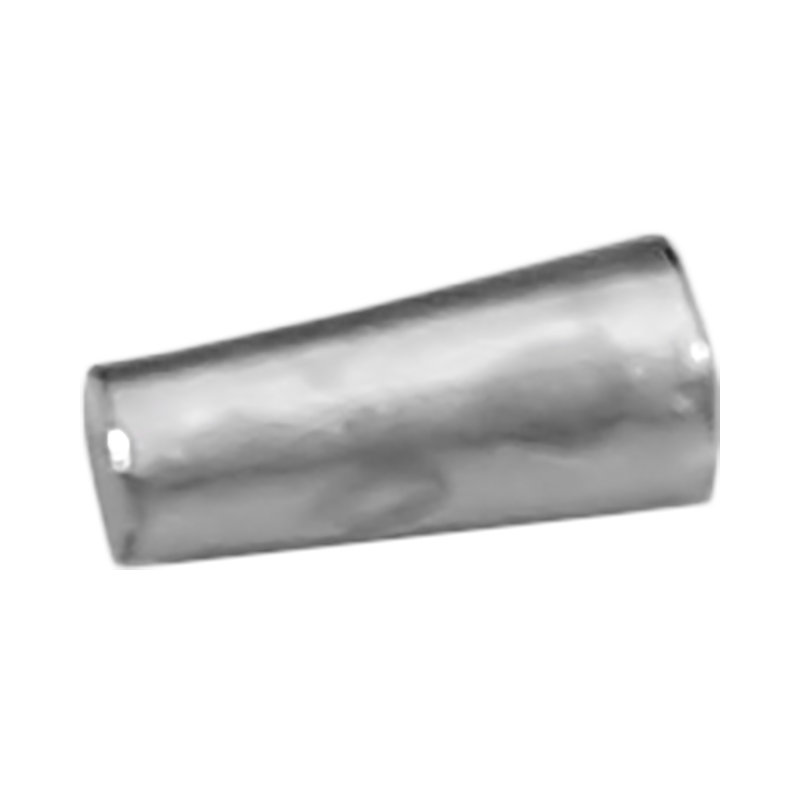
When choosing carbide tips, it's essential to consider the material's composition and its suitability for particular applications. Several different grades of carbide are available, and each has unique characteristics that affect performance.
Comparison of Carbide Types and Their Applications
|
Carbide Type |
Application |
Properties |
|
Standard Carbide (WC-Co) |
General machining |
Good balance of hardness and toughness |
|
Cemented Carbide |
High-speed cutting operations |
High wear resistance and compressive strength |
|
Fine-grain Carbide |
Hard material cutting (e.g., hardened steels) |
Improved strength and wear resistance |
While carbide tips are known for their robustness, selecting the right carbide material is not always straightforward. Several factors should be considered when making this decision:
Indexable inserts are a type of cutting tool that incorporates carbide tips. These inserts can be easily replaced once they become worn, providing a cost-effective solution for high-volume machining operations. The combination of carbide tips and indexable inserts provides several benefits:
Q1. How can I choose the right carbide grade for my application?
The choice of carbide grade depends on the material you are machining and the conditions under which you are cutting. For general machining, standard carbide may be sufficient, but for harder materials or high-speed operations, fine-grain carbide may be a better choice.
Q2. Are carbide tips suitable for all types of cutting?
Carbide tips are suitable for many types of cutting, especially for harder materials. However, softer materials like aluminum may not require carbide tips, and other materials such as high-speed steel could be more suitable in those cases.
Q3. How do I maintain carbide-tipped tools for longevity?
Proper maintenance includes regular inspection for signs of wear, using the correct cutting parameters (such as speed and feed rates), and ensuring that the tool is not subjected to excessive heat or pressure during operation.
Q4. Can carbide tips be re-sharpened?
In many cases, carbide tips can be re-sharpened depending on the degree of wear. However, the re-sharpening process should be done with caution to avoid affecting the carbide's properties and geometry.
Q5. What factors affect the wear rate of carbide tips?
The wear rate is influenced by factors such as the hardness of the material being machined, cutting speeds, feed rates, and the type of carbide grade being used.
 2th Zhengde Road, Furong Town Industrial Zone, Yueqing City, Wenzhou City, Zhejiang, China
 +86-18368755111 / +86-57762299177
 +86-57762298133
 2528647427@qq.com
Copyright © Zhejiang Yueqing Yueyu Alloy Material Co., Ltd. All Rights Reserved.
Wholesale Carbide Tips Manufacturer