English
 عربى
عربى
Industry News

2026-04-10
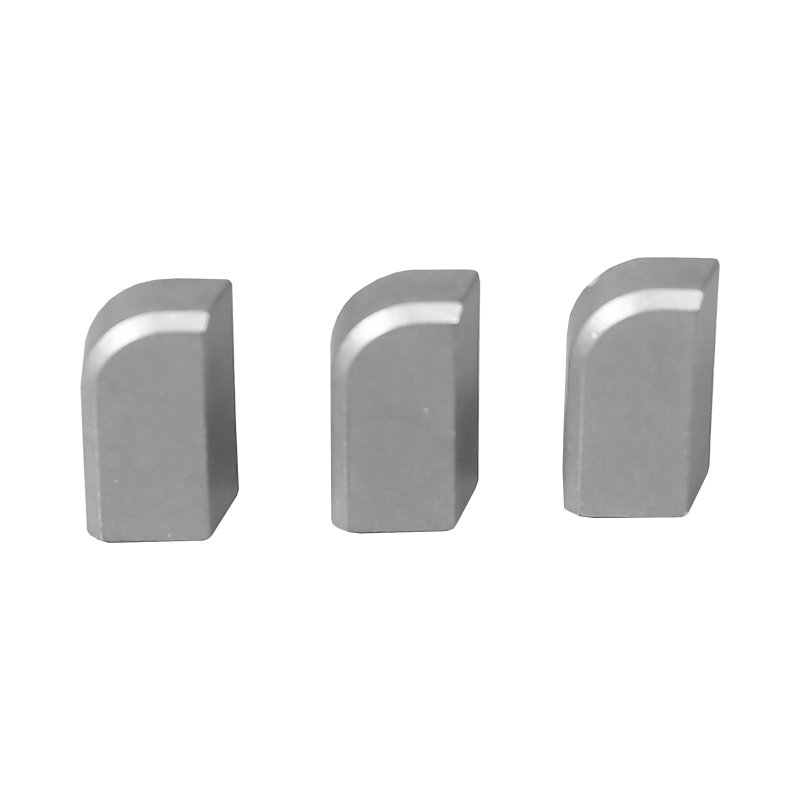
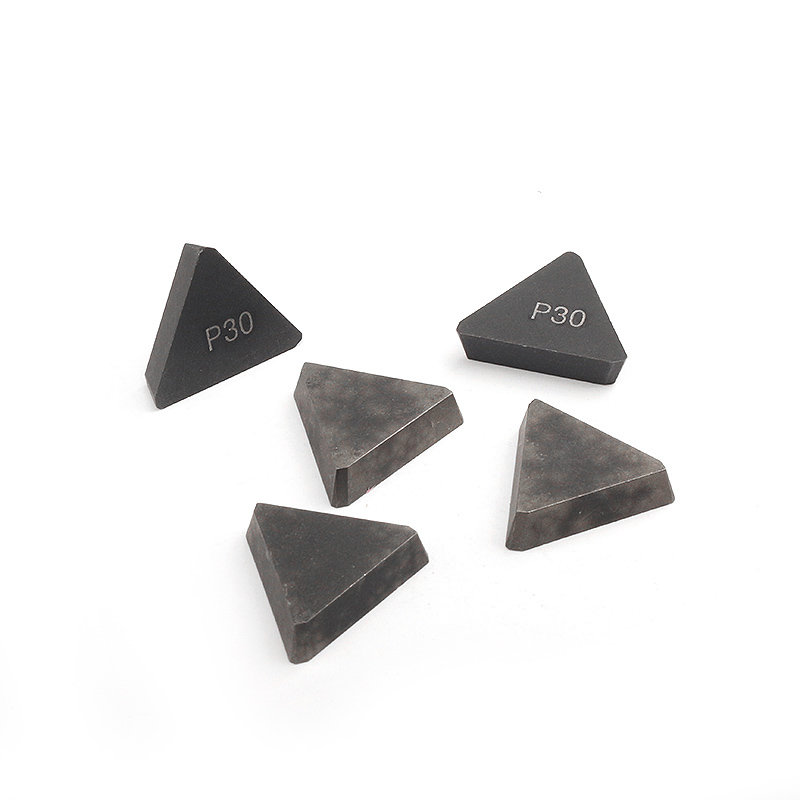
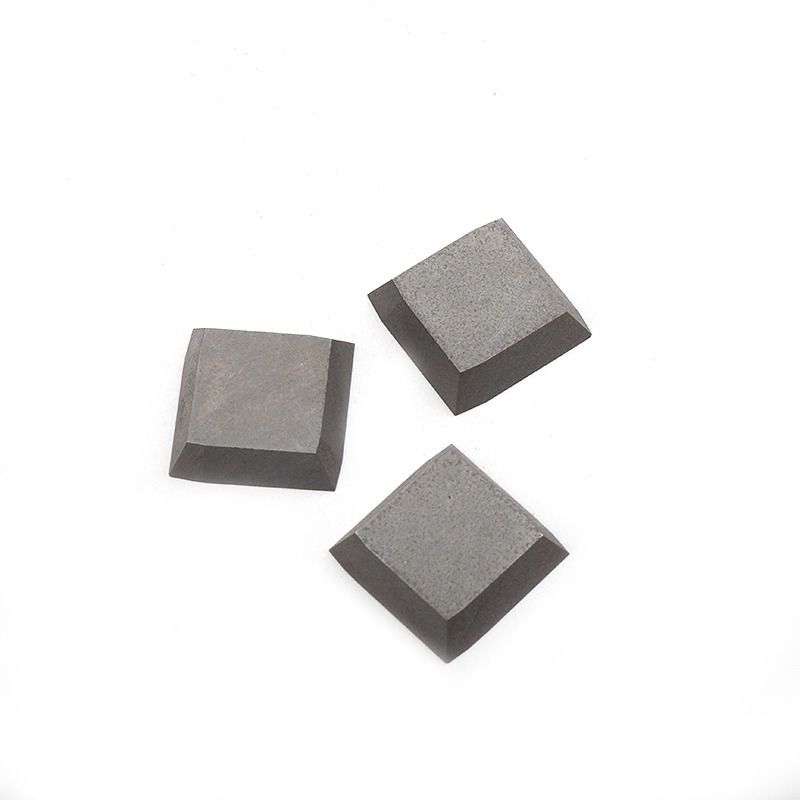
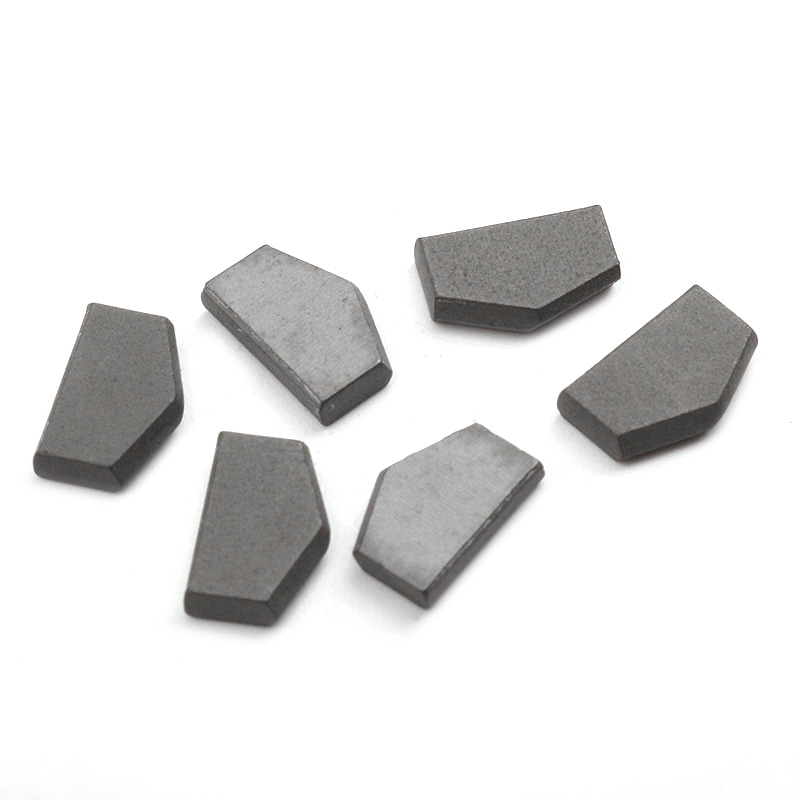
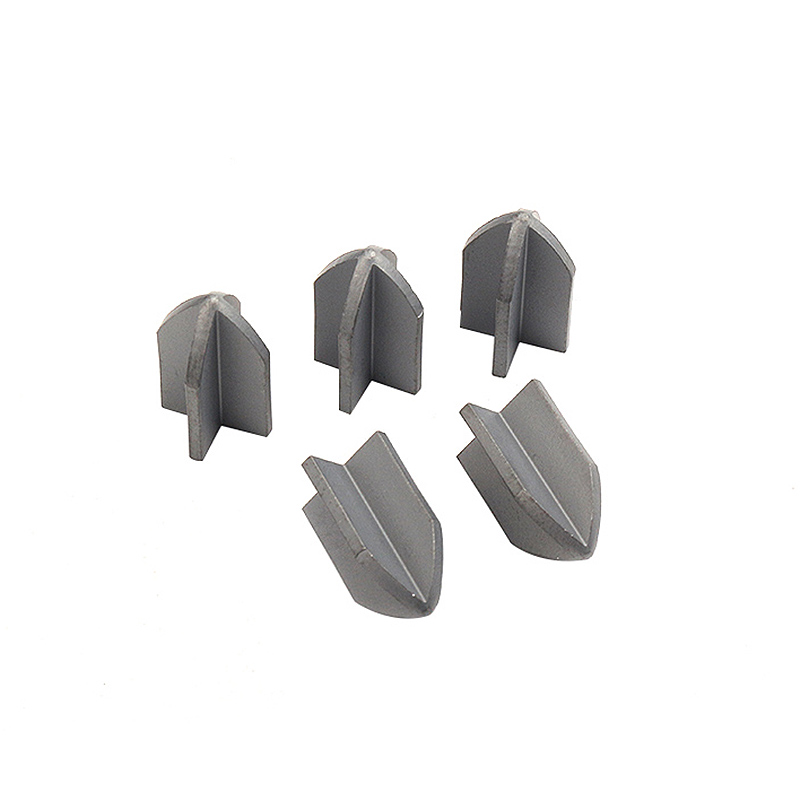
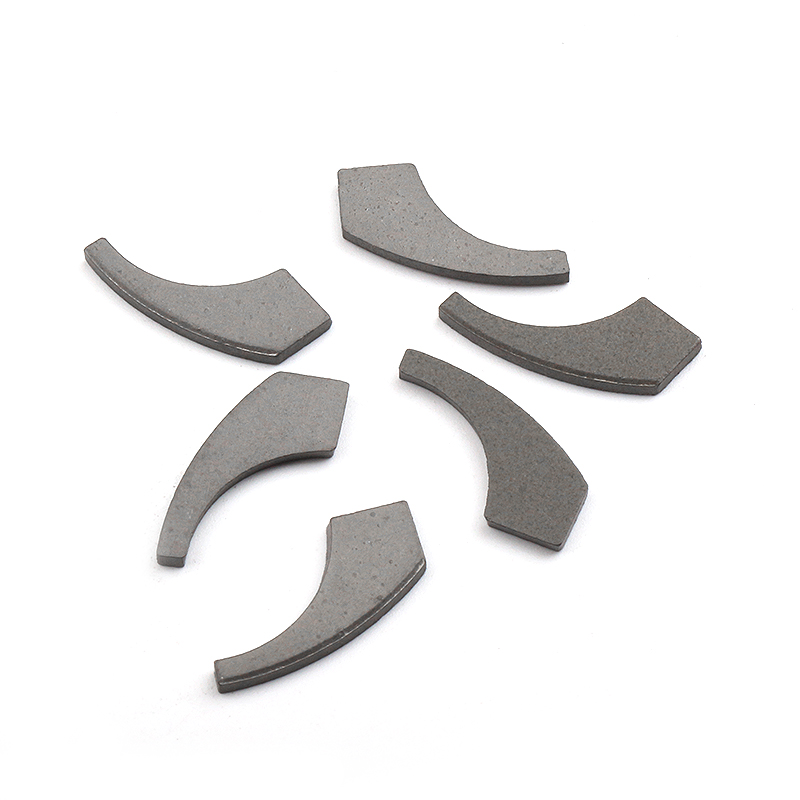
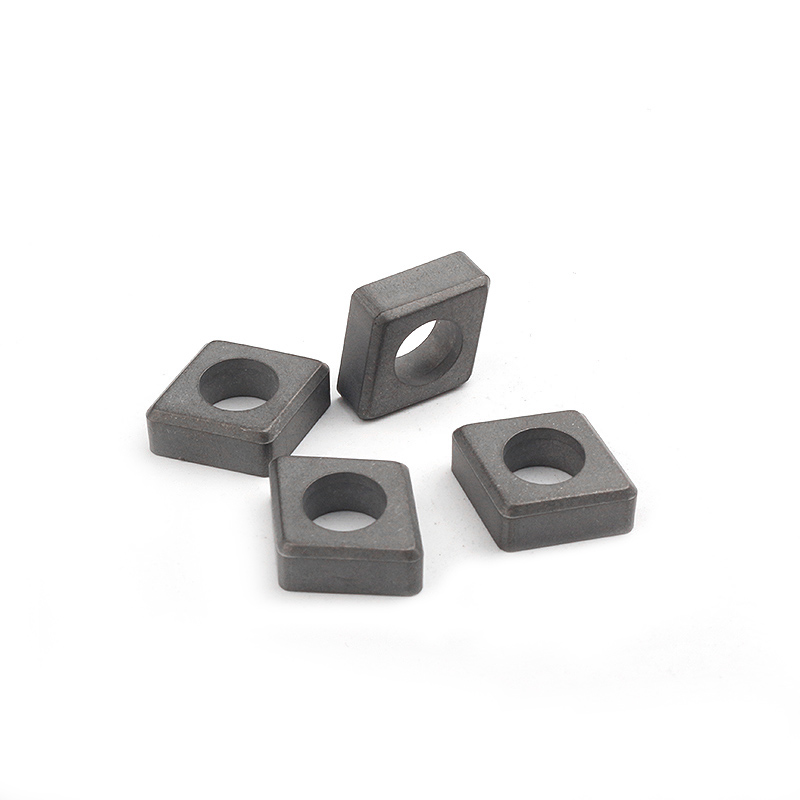
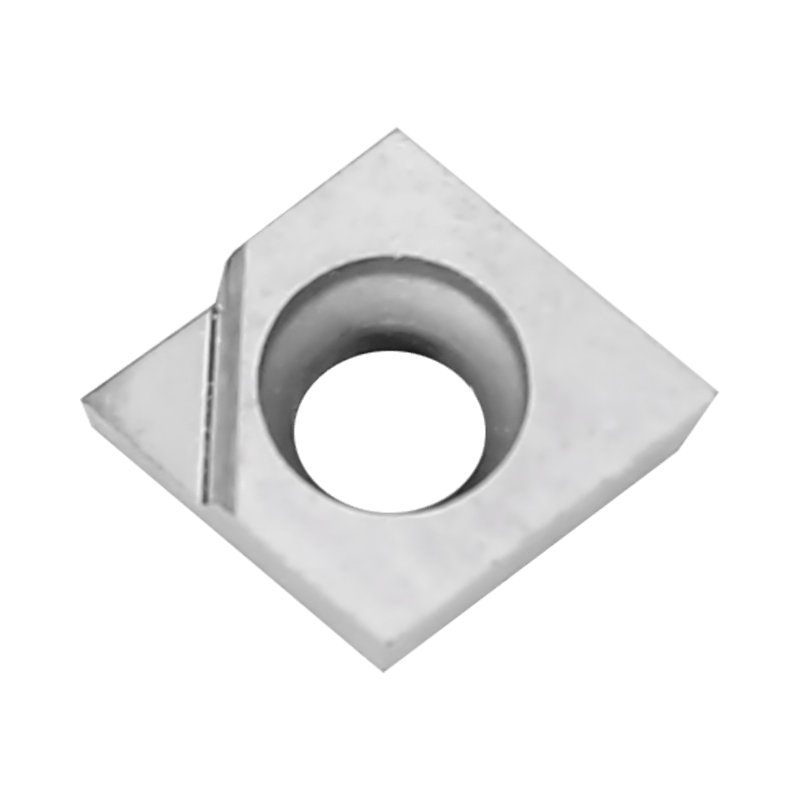
In the world of precision machining, achieving high levels of efficiency and accuracy is paramount. One of the key components that significantly contributes to these goals is the use of indexable inserts. Alongside these, carbide tips are frequently utilized for their durability and performance in demanding cutting tasks. These products are designed to provide manufacturers with the tools necessary for consistent and precise machining. This article explores how indexable inserts and carbide tips can enhance cutting performance, reduce downtime, and improve overall machining quality.
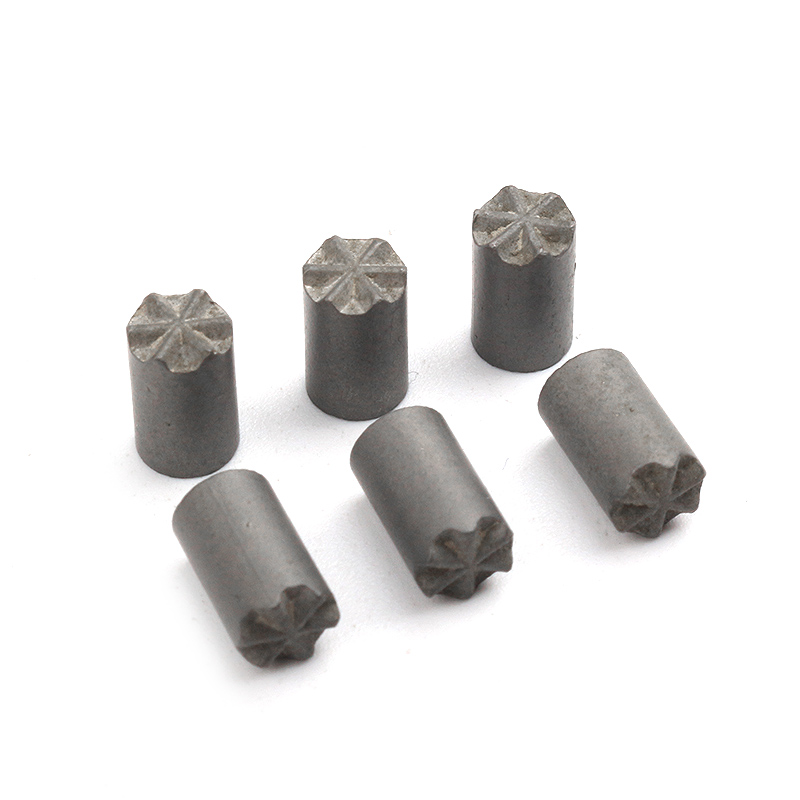
Indexable inserts are versatile tools that offer a range of benefits in machining operations. They are designed to be easily replaced without requiring a complete tool replacement, saving both time and money. The carbide tips attached to these inserts provide the necessary hardness and wear resistance for cutting through tough materials. Together, these two components play a crucial role in increasing the efficiency and cost-effectiveness of machining processes.
Advantages include:
When selecting the right indexable insert and carbide tip combination, several factors should be considered. The specific material being machined, the desired surface finish, and the operating conditions all influence the choice of tool. Different insert shapes, coatings, and geometries can impact cutting speed, precision, and tool life.
Key considerations for selection:
Indexable inserts with carbide tips are applied in a variety of industries, from aerospace and automotive to electronics and medical device manufacturing. Their ability to handle high-speed, high-temperature, and complex cuts makes them ideal for precise machining.
Examples of common applications include:
Comparison Table: Indexable Inserts vs. Traditional Cutting Tools
|
Feature |
Indexable Insert |
Traditional Cutting Tool |
|
Tool Replacement |
Easy to replace, can be rotated |
Full tool replacement required |
|
Cost Efficiency |
Reduced downtime and tool costs |
Higher tool replacement costs |
|
Durability |
Longer life, reduced wear |
Shorter tool life, frequent changes |
|
Machining Precision |
Consistent and precise |
May lose sharpness quickly |
|
Material Compatibility |
Compatible with a wide range of materials |
Limited to specific materials |
To ensure that indexable inserts and carbide tips continue to perform at their well, regular maintenance and monitoring are essential. Some key practices include:
Q1: How often should I replace my indexable inserts?
The frequency of replacement depends on the material being cut, the cutting speed, and the type of insert.
Q2: Can carbide tips be used for all materials?
Carbide tips are suitable for a wide range of materials, including metals, plastics, and composites. However, for very soft materials, alternative tips may be more suitable.
Q3: What is the difference between coated and uncoated carbide inserts?
Coated carbide inserts feature a thin layer of material that enhances their hardness and wear resistance, making them ideal for high-temperature and high-speed applications.
Q4: Are indexable inserts suitable for small-scale operations?
Yes, indexable inserts are versatile and can be used in both large-scale and small-scale operations, offering cost-effective solutions for companies of all sizes.
Q5: How do I know if my insert is worn out?
Common signs of wear include dull cutting edges, irregular finishes, or increased vibration during machining. Inspect the inserts regularly for these signs.
 2th Zhengde Road, Furong Town Industrial Zone, Yueqing City, Wenzhou City, Zhejiang, China
 +86-18368755111 / +86-57762299177
 +86-57762298133
 2528647427@qq.com
Copyright © Zhejiang Yueqing Yueyu Alloy Material Co., Ltd. All Rights Reserved.
Wholesale Carbide Tips Manufacturer