English
 عربى
عربى
Industry News

2026-01-16
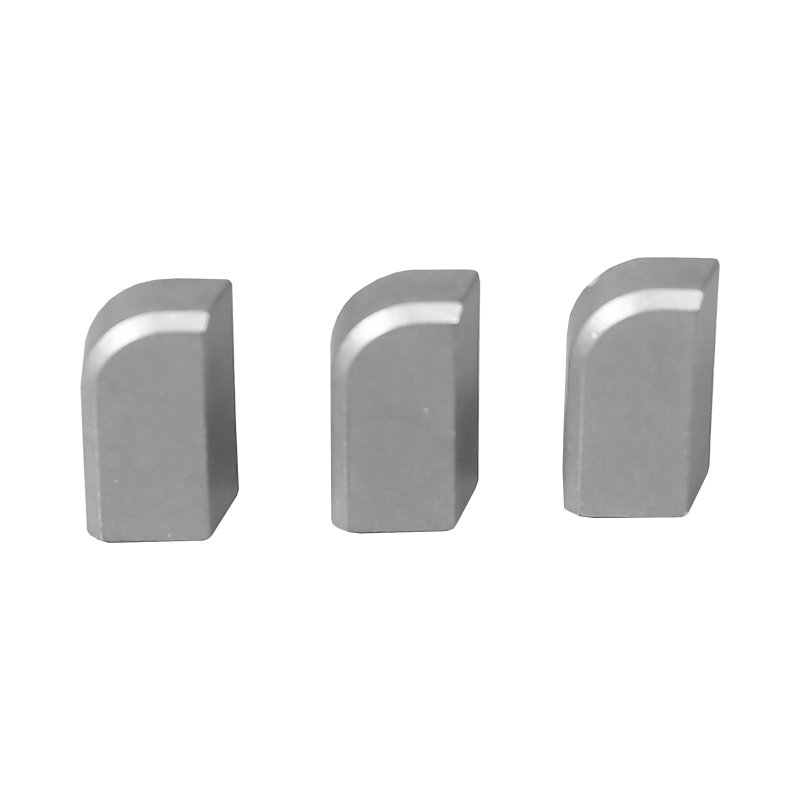
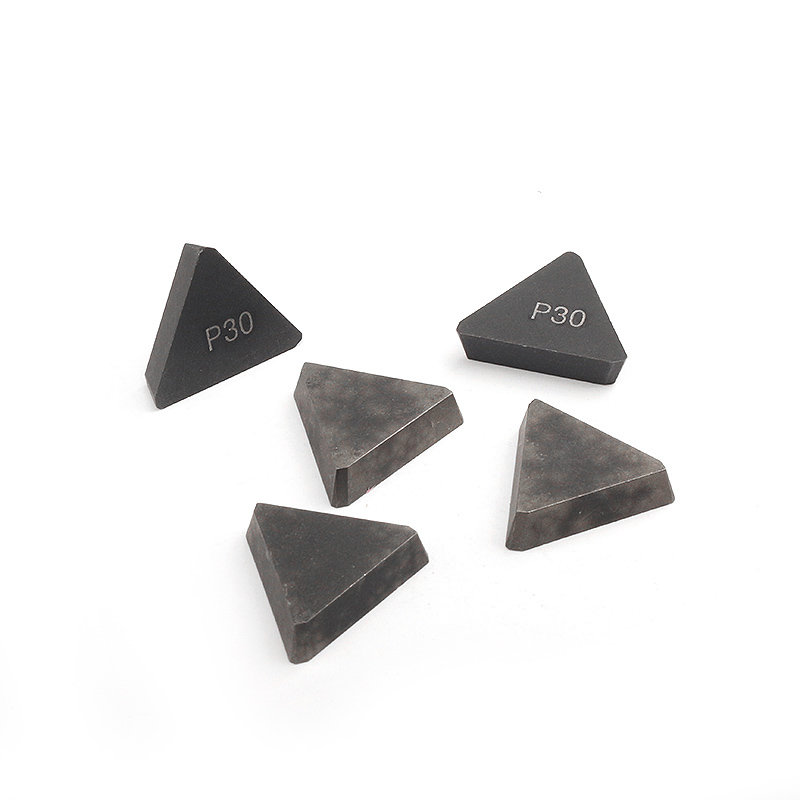
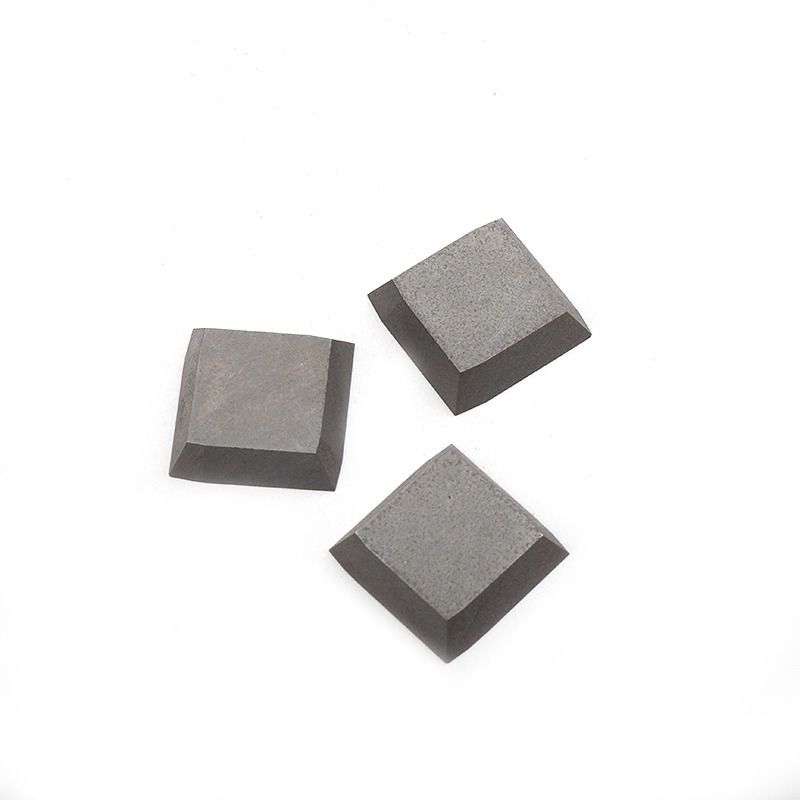
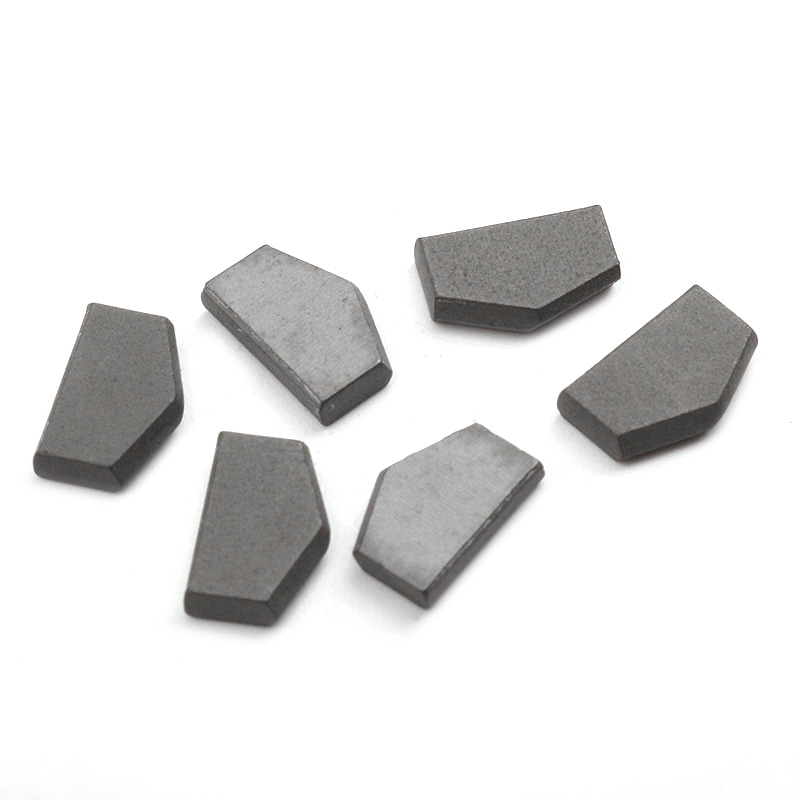
Selecting cutting tools for stone processing often starts with understanding material behavior rather than focusing only on machine power. Buyers working with a Cut Stone Blade Factory frequently ask how Carbide Brazed Tips are chosen to suit different stone types, since mismatched tips can result in unstable cutting, uneven wear, or frequent blade changes. The matching process involves evaluating stone structure, cutting conditions, and tip design characteristics so that the cutting edge works in balance with the material rather than against it.
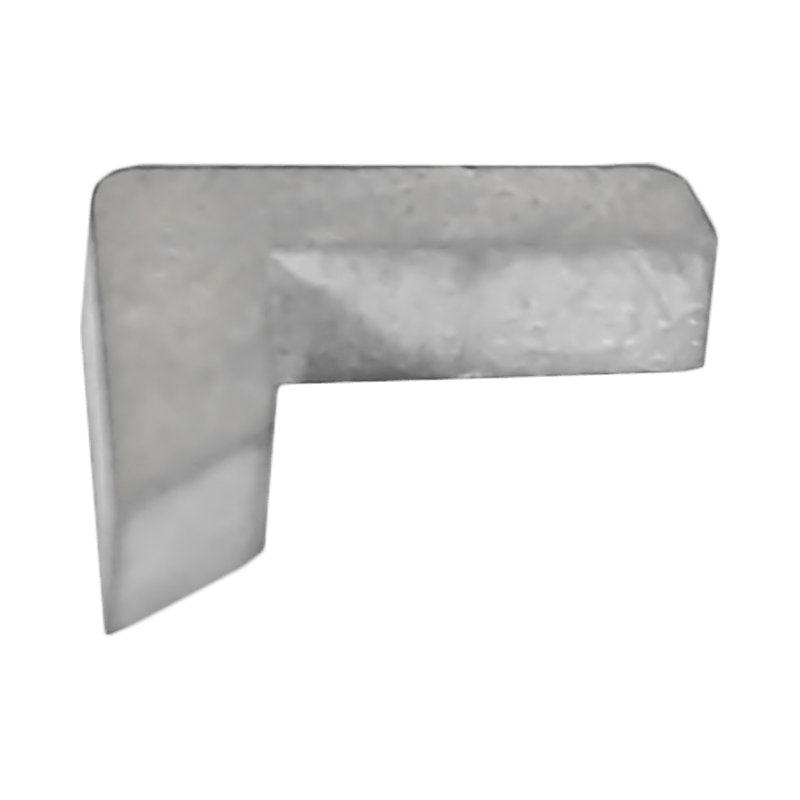
Natural and engineered stones differ widely in composition. Granite, marble, limestone, sandstone, and artificial quartz all present unique challenges. Granite contains hard mineral grains that create strong abrasion during cutting, while marble has a more uniform structure but may react differently to heat and pressure. Engineered stones often combine natural aggregates with binders, causing inconsistent resistance along the cutting path.
Carbide brazed tips are selected with these variations in mind. Instead of using a single tip specification for all materials, manufacturers consider how hardness, grain size, and internal bonding of stone affect cutting resistance. This approach helps reduce unexpected stress on the cutting edge during operation.
One of the primary considerations in matching carbide brazed tips to stone types is hardness balance. Cemented carbide tips are available in different grades, each offering a different combination of hardness and toughness. Harder tips tend to resist abrasion more effectively when cutting dense stones, but they may be less tolerant of sudden impact. Softer grades, while wearing faster, can absorb shock more evenly.
For dense stones such as granite or basalt, carbide brazed tips with higher wear resistance are often chosen to handle continuous abrasion. For softer stones like limestone or marble, grades that provide greater toughness may be preferred, as they reduce the likelihood of edge chipping when encountering internal inconsistencies.
Stone grain structure plays a significant role in cutting behavior. Fine-grained stones usually offer consistent resistance, while coarse-grained materials may contain harder inclusions scattered throughout the matrix. These inclusions can place uneven loads on the cutting edge.
Carbide brazed tips matched to coarse-grained stones are typically designed to handle intermittent impact without cracking. This does not rely on exaggerated strength claims but rather on controlled material composition that allows the tip to respond gradually to load changes. For fine-grained stones, tips can be selected to emphasize steady wear patterns and smoother cutting paths.
Dry cutting and wet cutting impose different demands on carbide brazed tips. Dry cutting generates more heat at the cutting zone, while wet cutting helps dissipate heat but introduces thermal cycling as water contacts hot surfaces. These factors influence how tips behave over time.
When matching tips to stone types, the expected cutting method is considered alongside the material itself. Stones that require dry cutting may call for carbide tips that maintain structural stability under elevated temperatures. For wet cutting applications, tip materials and brazing alloys are selected to tolerate repeated temperature changes without compromising the bond between tip and blade.
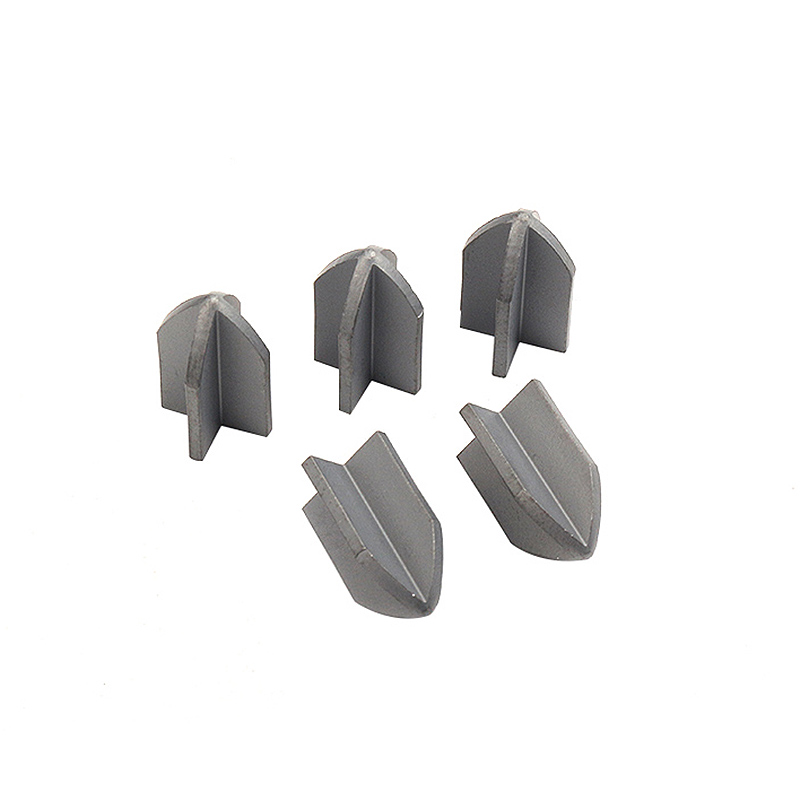
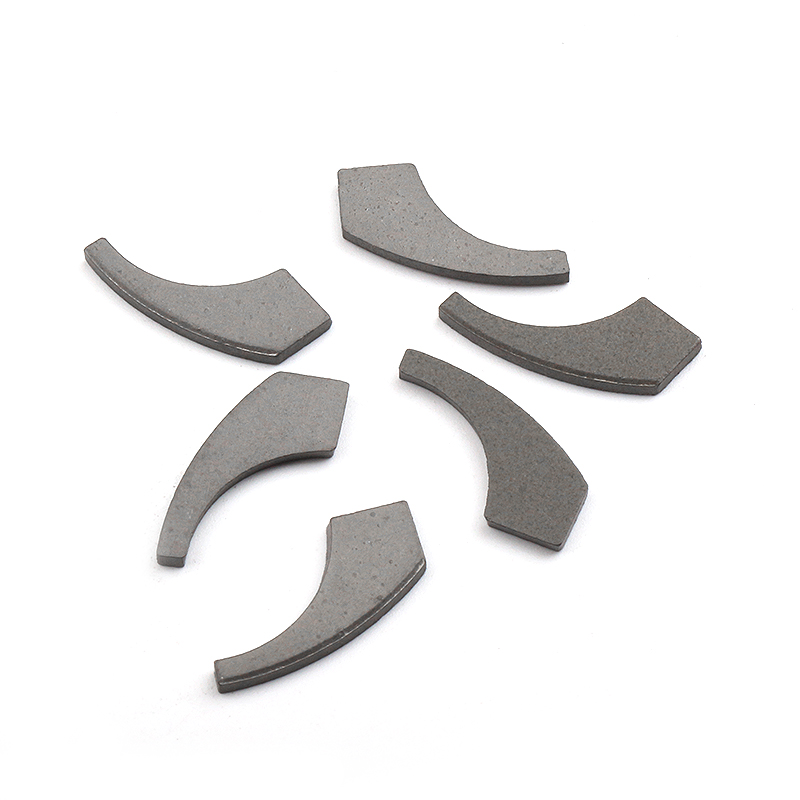
Carbide brazed tips are produced in various sizes, such as G8, G10, G12, G16, G20, G25, and G30, each suitable for different cutting loads. Stone thickness and cutting depth directly influence how much force is transferred to the tip during operation.
Thicker stone slabs or blocks often require larger tips that can distribute cutting forces over a wider contact area. This reduces localized stress on the cutting edge. Thinner materials or precision cutting tasks may use smaller tips to allow controlled material removal without excessive force. Matching tip size to stone thickness supports stable cutting rather than pushing the tool beyond its intended working range.
The brazing process is a critical factor in how carbide tips perform on different stones. A stable brazed joint ensures that cutting forces are transferred evenly from the tip to the blade body. If the joint is inconsistent, even a well-matched tip material may fail prematurely.
When selecting carbide brazed tips for specific stone types, manufacturers consider the compatibility between the carbide grade, brazing alloy, and steel base. Stones that generate higher vibration or impact loads require a brazed joint that maintains integrity under repeated stress. This attention to joining quality helps ensure that the tip performs as intended throughout its service life.
 2th Zhengde Road, Furong Town Industrial Zone, Yueqing City, Wenzhou City, Zhejiang, China
 +86-18368755111 / +86-57762299177
 +86-57762298133
 2528647427@qq.com
Copyright © Zhejiang Yueqing Yueyu Alloy Material Co., Ltd. All Rights Reserved.
Wholesale Carbide Tips Manufacturer