English
 عربى
عربى
Industry News

2026-01-09
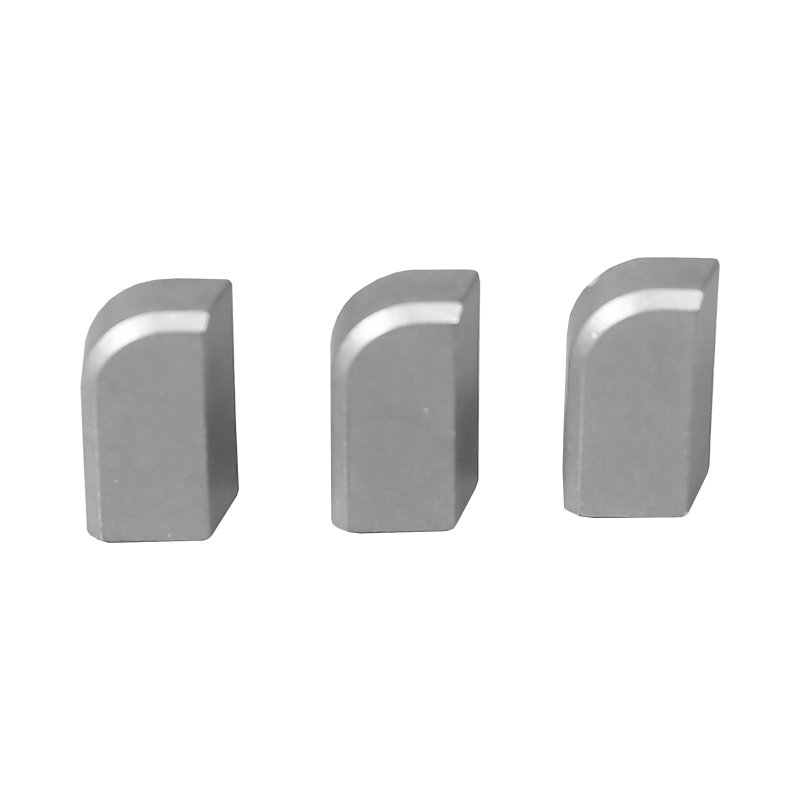
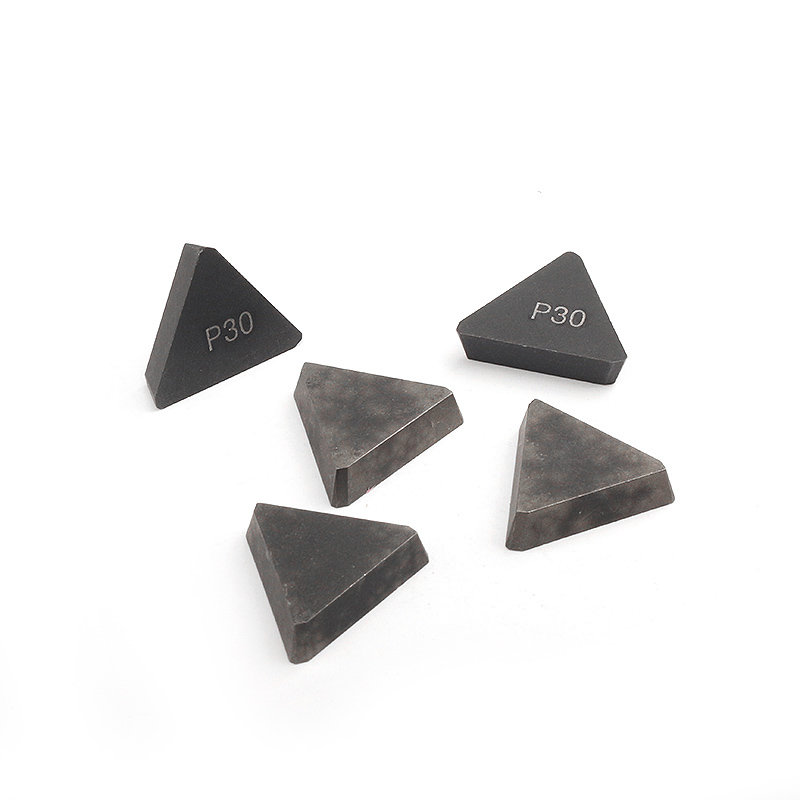
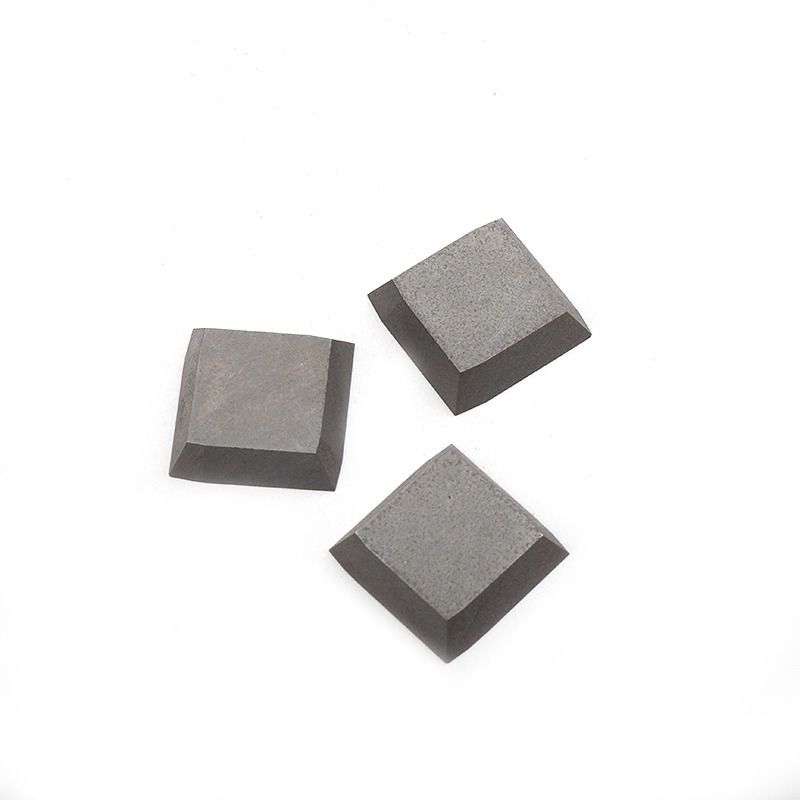
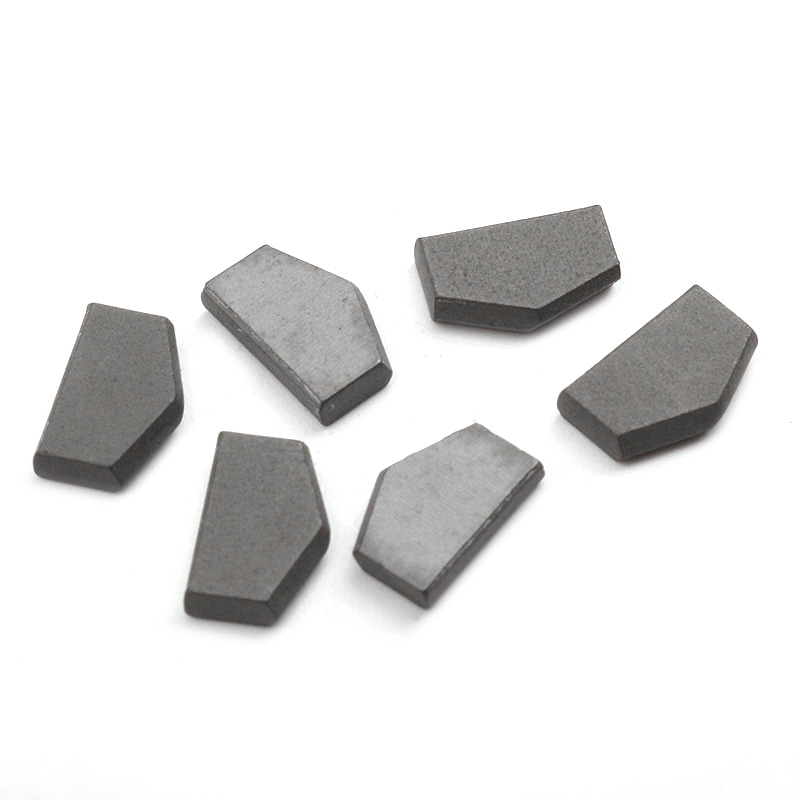
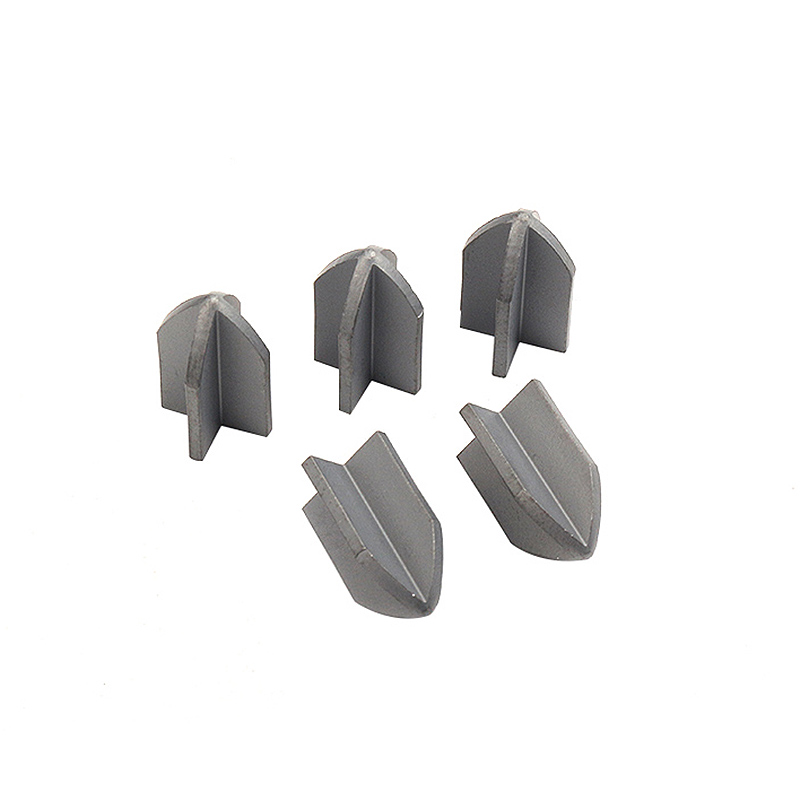
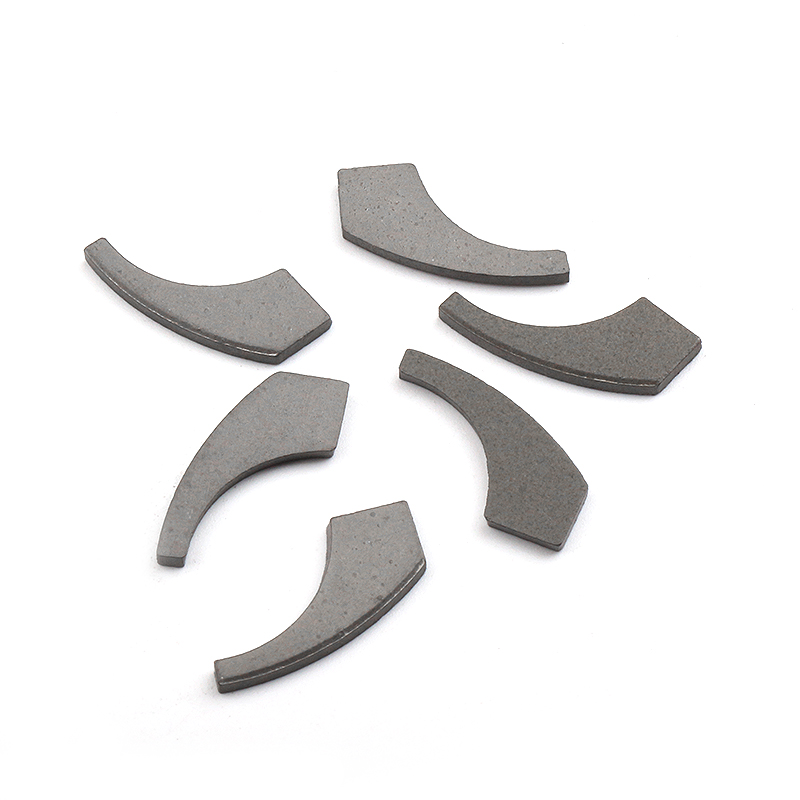
Stone cutting operations often face challenges such as premature edge wear, chipping, and unexpected blade damage. When sourcing tools from a Cut Stone Blade Factory, many buyers pay close attention to blade segments and bonding methods, as these factors directly influence cutting stability. At the same time, Carbide Brazed Tips have become a widely discussed component in precision cutting tools because of their structural characteristics and adaptability to demanding materials. Understanding how these tips function helps explain why they can effectively lower the risk of cutting edge failure in real working conditions.
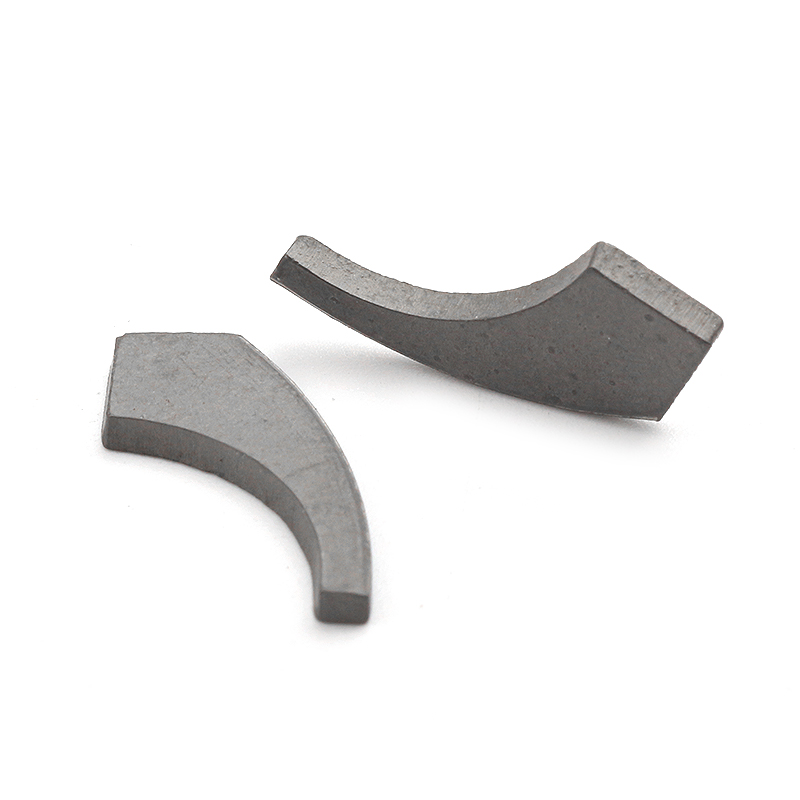
Carbide brazed tips are typically manufactured from cemented carbide, a composite material formed by combining hard carbide particles with a metallic binder. This structure provides a balance between hardness and toughness. The hardness allows the cutting edge to resist abrasive wear when working on stone, while the binder phase helps absorb part of the mechanical stress generated during cutting.
In stone processing, cutting edges frequently encounter uneven material density, hidden impurities, or sudden load changes. A cutting tip that lacks sufficient toughness may crack under these conditions. Carbide brazed tips are designed to manage such stress more evenly, which supports longer edge integrity without relying on overly aggressive material claims.
Brazing is more than a joining technique; it plays a central role in how cutting forces are transferred from the tip to the blade body. During brazing, the carbide tip is bonded to the steel base using a filler metal that melts at a lower temperature than the base materials. This process creates a metallurgical bond rather than a simple mechanical connection.
A well-controlled brazing process helps ensure uniform stress distribution at the joint area. When cutting stone, vibration and thermal variation are unavoidable. If the bonding layer is uneven or weak, micro-movements can occur at the interface, gradually causing edge loosening or fracture. Carbide brazed tips, when properly attached, reduce this risk by maintaining a stable connection between the cutting edge and the blade body.
Heat generation is one of the main contributors to cutting edge failure. Continuous contact between the blade and stone produces friction, which raises the temperature at the cutting zone. Sudden temperature changes can cause expansion and contraction,causing internal stress within the cutting tip.
Cemented carbide materials used in brazed tips generally maintain their structural properties across a broad temperature range. Combined with a suitable brazing alloy, the system allows for gradual heat transfer away from the cutting edge. This controlled thermal behavior helps limit cracking caused by rapid temperature shifts, especially during dry cutting or extended operation cycles.
The availability of multiple tip sizes, such as G8, G10, G12, G16, G20, G25, and G30, allows users to match the cutting tool to specific working conditions. Tip size influences how cutting forces are distributed across the edge. Smaller tips may be suited for fine or detailed work, while larger tips can handle higher loads during rough cutting stages.
Using an appropriately sized carbide brazed tip helps avoid concentrated stress on a narrow area of the edge. When load distribution is more even, the likelihood of localized chipping or sudden failure is reduced. This practical consideration often matters as much as material selection when aiming to maintain stable cutting performance.
Vibration is another factor that contributes to edge damage over time. In stone cutting, vibrations can result from machine speed, material hardness variations, or blade imbalance. Excessive vibration places repeated stress on the cutting edge, increasing the chance of micro-cracks.
Carbide brazed tips, supported by a firm brazed joint, can dampen part of this vibration before it reaches the cutting edge. While they do not eliminate vibration entirely, their structural consistency helps maintain smoother contact between the blade and the stone surface. Reduced vibration exposure supports longer edge life without relying on exaggerated performance descriptions.
Natural stone, engineered stone, and concrete-based materials each present unique cutting challenges. Differences in grain size, hardness, and internal structure affect how a blade interacts with the surface. Carbide brazed tips are often selected because they offer adaptable performance across these varying materials.
Rather than being tuned for a single application, these tips provide balanced wear behavior. This adaptability helps prevent sudden edge failure when switching between stone types, a situation that can occur if a cutting edge is overly specialized.
 2th Zhengde Road, Furong Town Industrial Zone, Yueqing City, Wenzhou City, Zhejiang, China
 +86-18368755111 / +86-57762299177
 +86-57762298133
 2528647427@qq.com
Copyright © Zhejiang Yueqing Yueyu Alloy Material Co., Ltd. All Rights Reserved.
Wholesale Carbide Tips Manufacturer