English
 عربى
عربى
Industry News
Home / News / Industry News / How Can Indexable Insert Factory Enable Faster Tool Change In Production Lines?

2026-01-02
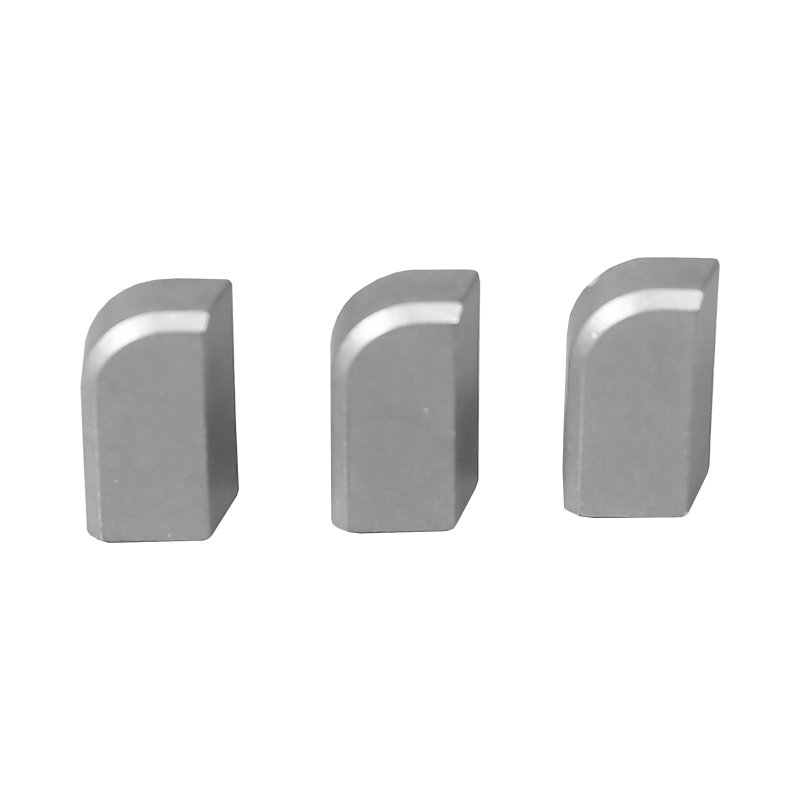
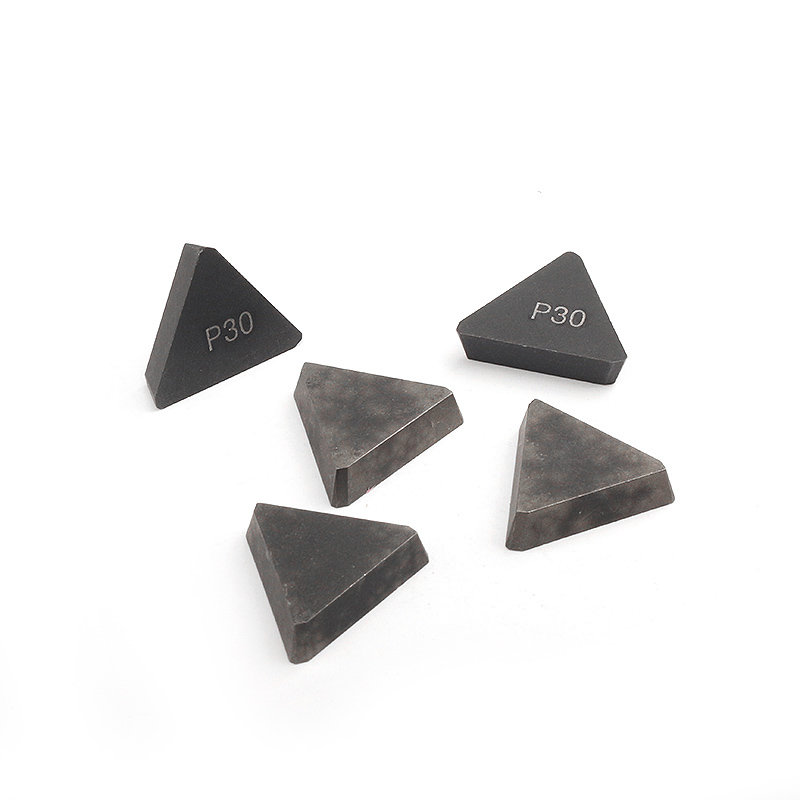
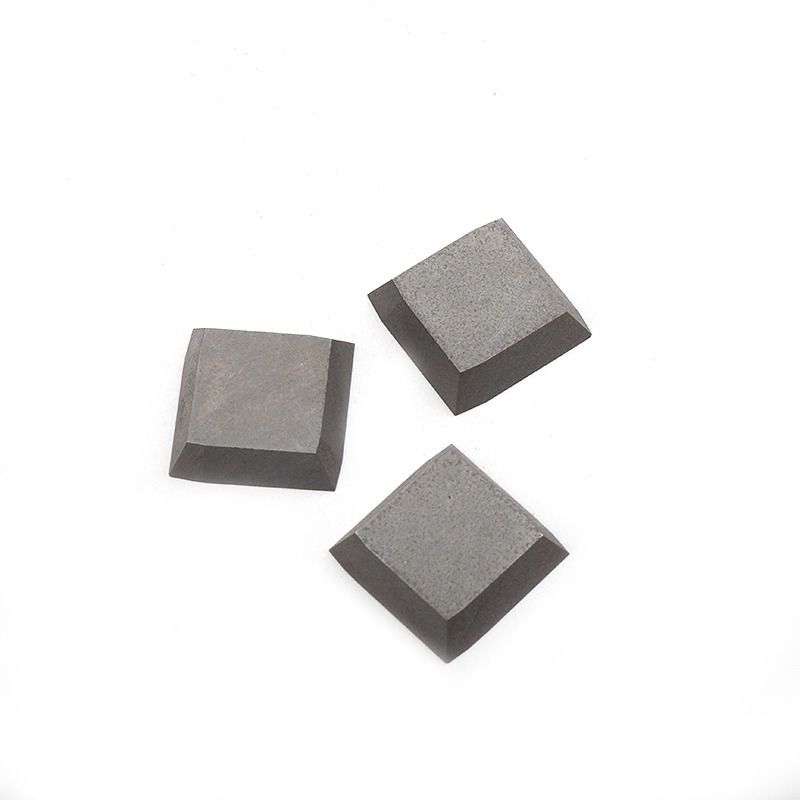
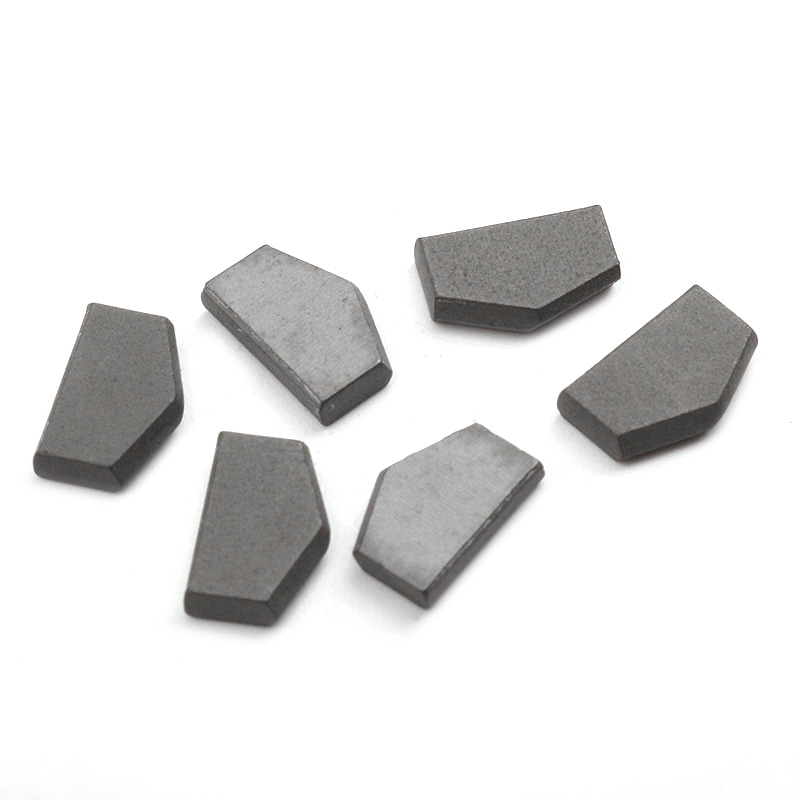
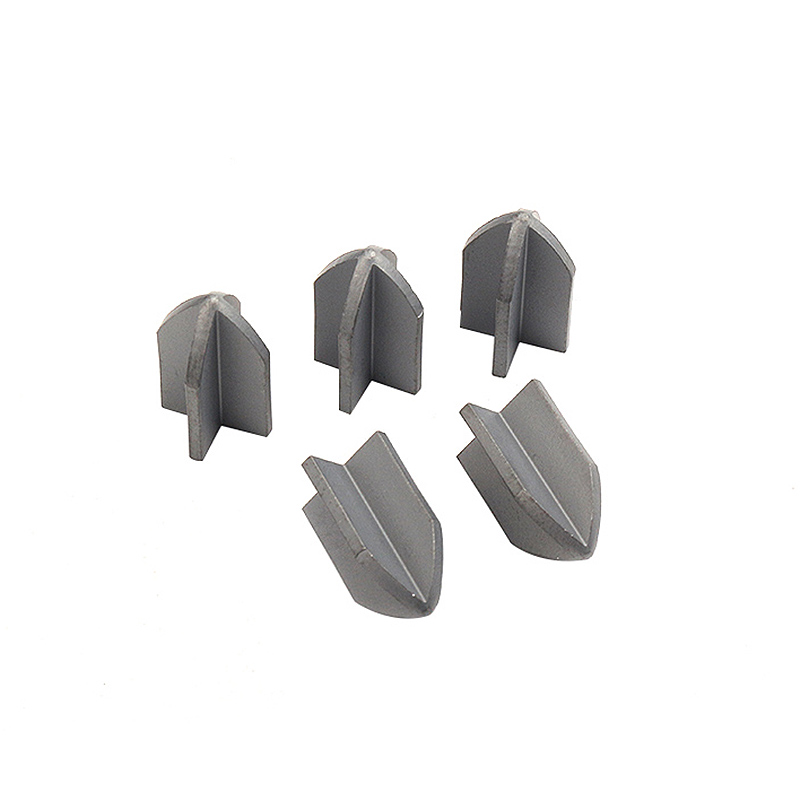
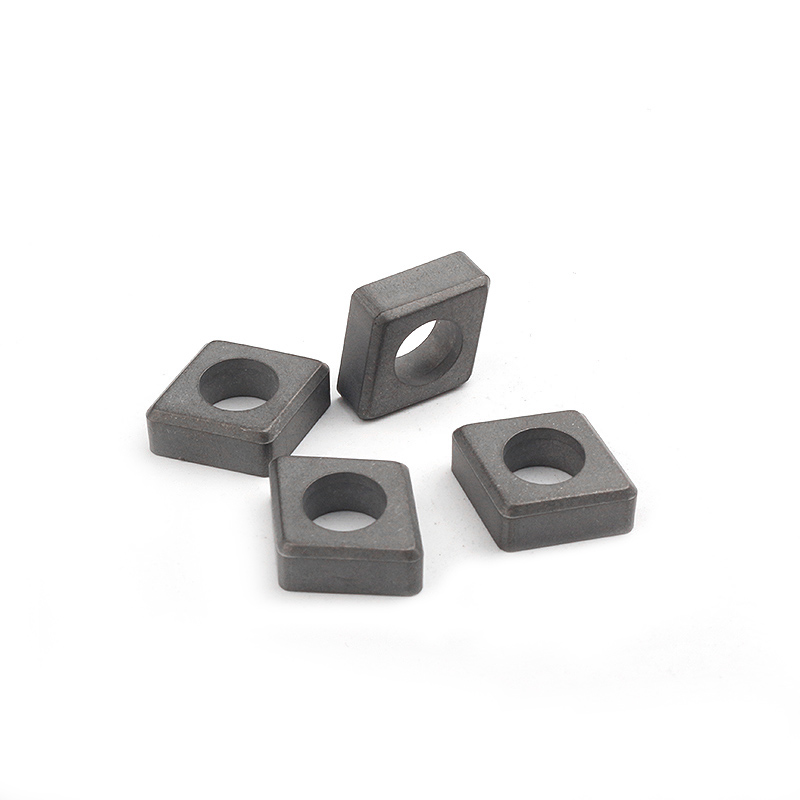
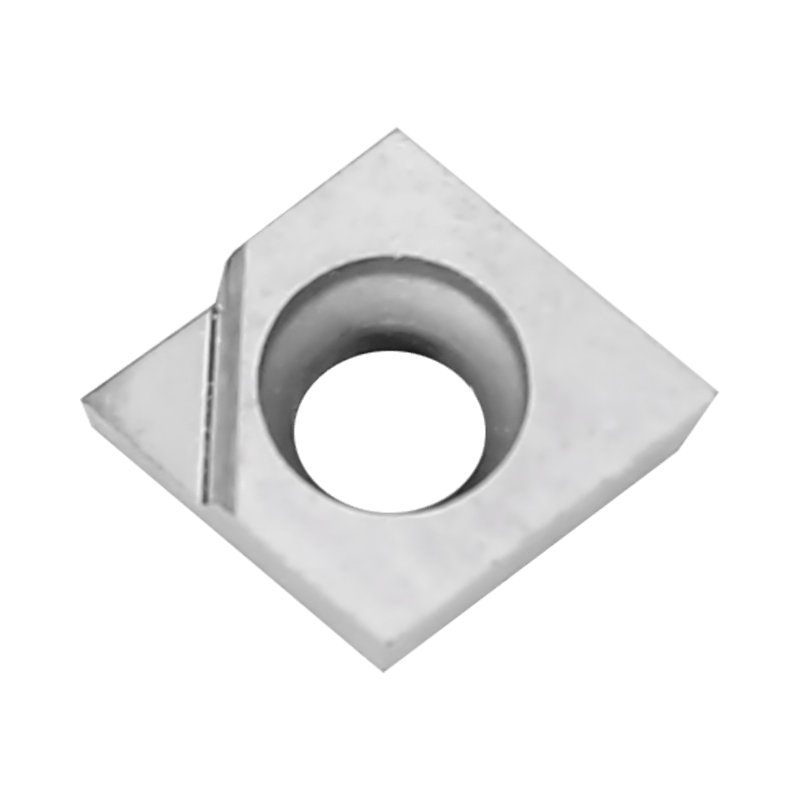
Efficient workflow in production lines often depends on reducing downtime during tool changes. Using products from an Indexable Insert Factory along with a Carbide Welding Blade can help streamline this process by providing standardized, durable components that allow tools to be replaced more quickly and with minimal adjustment. Understanding the interaction between these tools and production equipment can guide operators in planning and executing faster, more controlled tool changes while maintaining stable operation and consistent output quality.
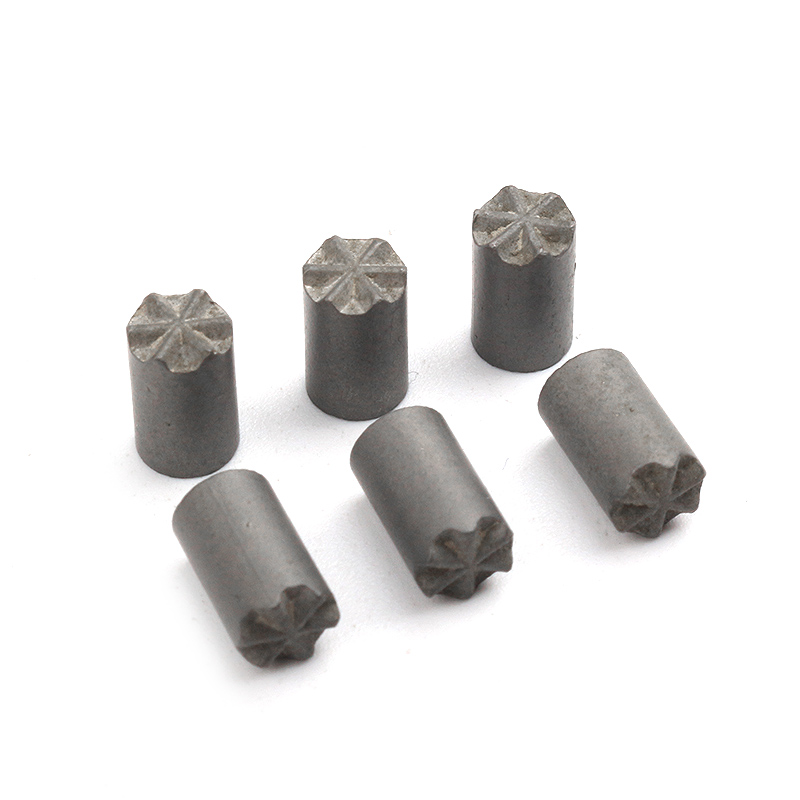
One of the key factors in faster tool replacement is the consistency of tool geometry. Indexable inserts manufactured under controlled factory conditions have uniform dimensions and tight tolerances. When paired with carbide welding blades, this uniformity ensures that each insert fits securely into the tool holder without the need for extensive manual alignment.This standardization is particularly important in production lines where multiple machines or stations are running similar operations, as it allows tools to be interchanged without extensive testing or adaptation.
Indexable inserts are designed for straightforward clamping and installation. Their compatibility with standard tool holders means that replacing a blade or insert does not require specialized fixtures or adjustments. Carbide welding blades, known for their dimensional stability and durability, maintain their shape over extended use, so operators can swap tools without changing cutting parameters each time. This reduces the potential for error during tool replacement and ensures that production can continue efficiently. Additionally, simplified installation procedures allow operators to handle multiple tool changes in sequence without delaying the production schedule.
Faster tool changes contribute directly to more stable production schedules. Each interruption for tool replacement can add minutes to cycle times, which accumulates over long production runs. By using consistent, factory-manufactured inserts along with carbide blades, operators can perform replacements in a predictable and repeatable manner. This reduces unplanned downtime, allowing machines to maintain steady operation and supporting smoother overall workflow. In high-volume operations, such as automotive or aerospace component production, reducing tool change time can have a measurable effect on throughput and productivity, helping production lines maintain output targets without compromising quality.
Automated and semi-automated production lines benefit particularly from standardized indexable inserts. Carbide welding blades, when combined with uniform inserts, maintain predictable engagement with the workpiece after each replacement. This predictability helps automated systems resume operation immediately without requiring recalibration or manual verification, further reducing delays. Some production setups even allow for preloaded tool magazines, where indexed inserts can be quickly switched in sequence, further supporting uninterrupted operations.
Consistent performance and predictable wear patterns from indexable inserts support better maintenance planning. Operators can schedule tool changes based on usage cycles rather than reacting to unpredictable tool failures. Using carbide welding blades alongside these inserts provides an added layer of stability, as their wear behavior is gradual and uniform. This approach reduces the risk of sudden tool replacement needs that could interrupt production unexpectedly, allowing line managers to coordinate inventory and spare parts effectively. Predictable tool life also simplifies budgeting and resource allocation, since production managers can anticipate when tools will need replacement and maintain sufficient stock without overstocking.
Simplified tool changes also reduce the training requirements for production staff. Standardized inserts and compatible carbide blades allow operators to follow consistent procedures for tool replacement, reducing the learning curve and the potential for errors. Consistent tools also help new operators quickly become familiar with the production process, as they can expect similar handling and performance characteristics from each insert or blade.
 2th Zhengde Road, Furong Town Industrial Zone, Yueqing City, Wenzhou City, Zhejiang, China
 +86-18368755111 / +86-57762299177
 +86-57762298133
 2528647427@qq.com
Copyright © Zhejiang Yueqing Yueyu Alloy Material Co., Ltd. All Rights Reserved.
Wholesale Carbide Tips Manufacturer