English
 عربى
عربى
Industry News

2026-03-06
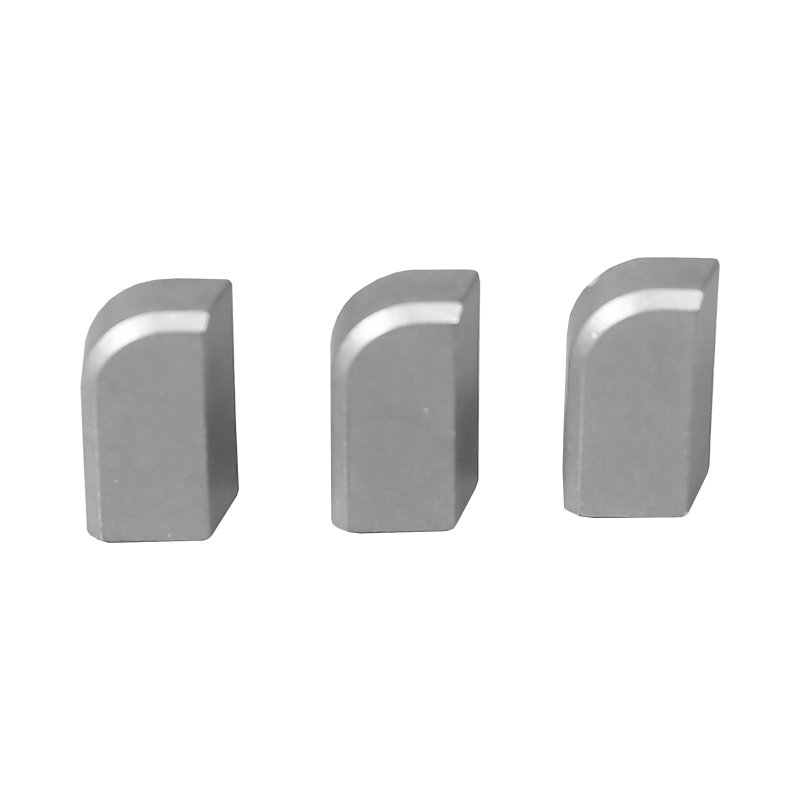
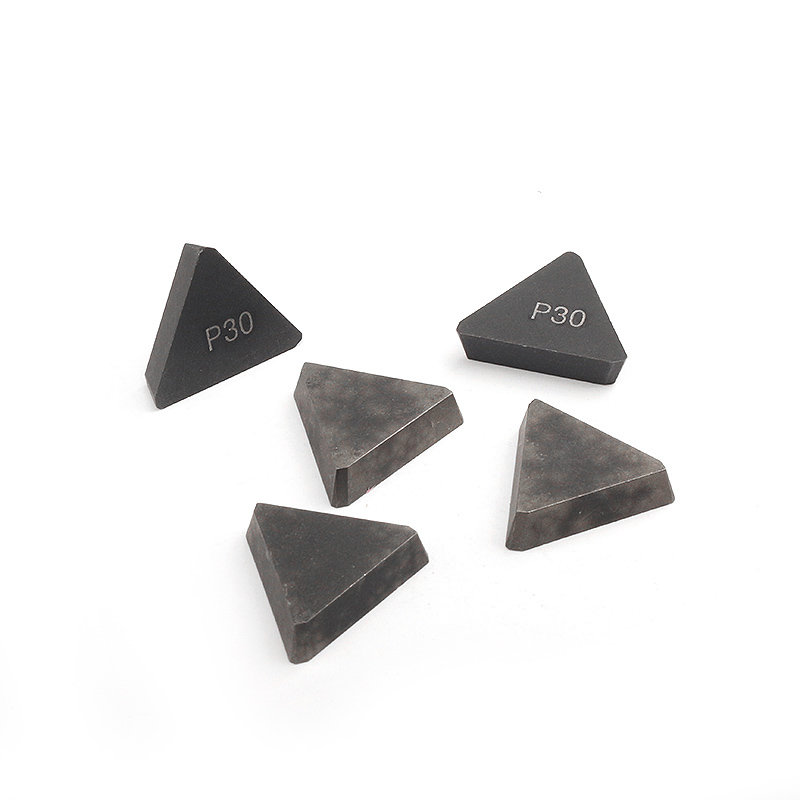
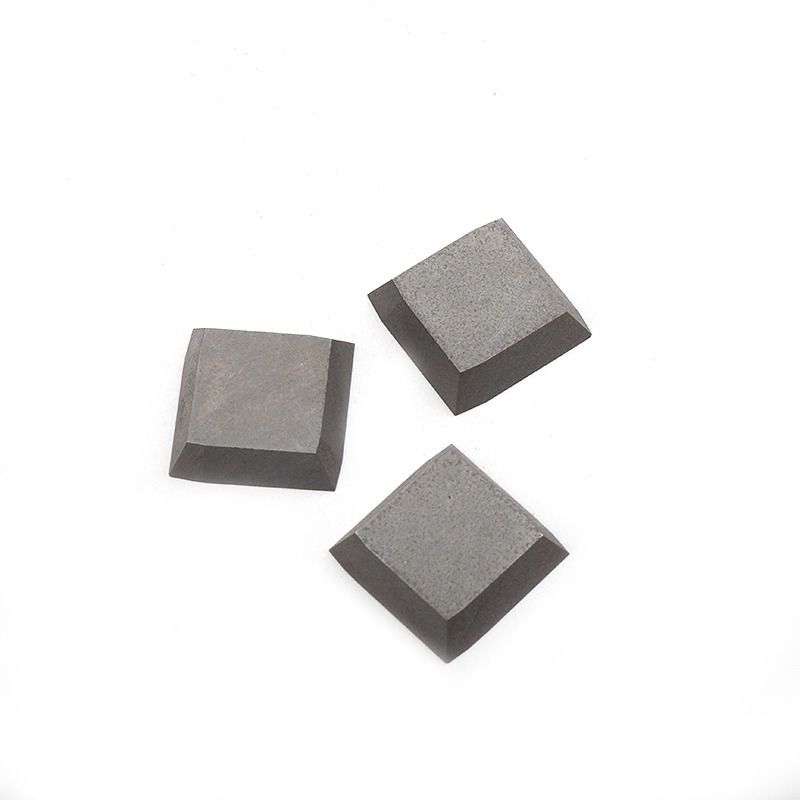
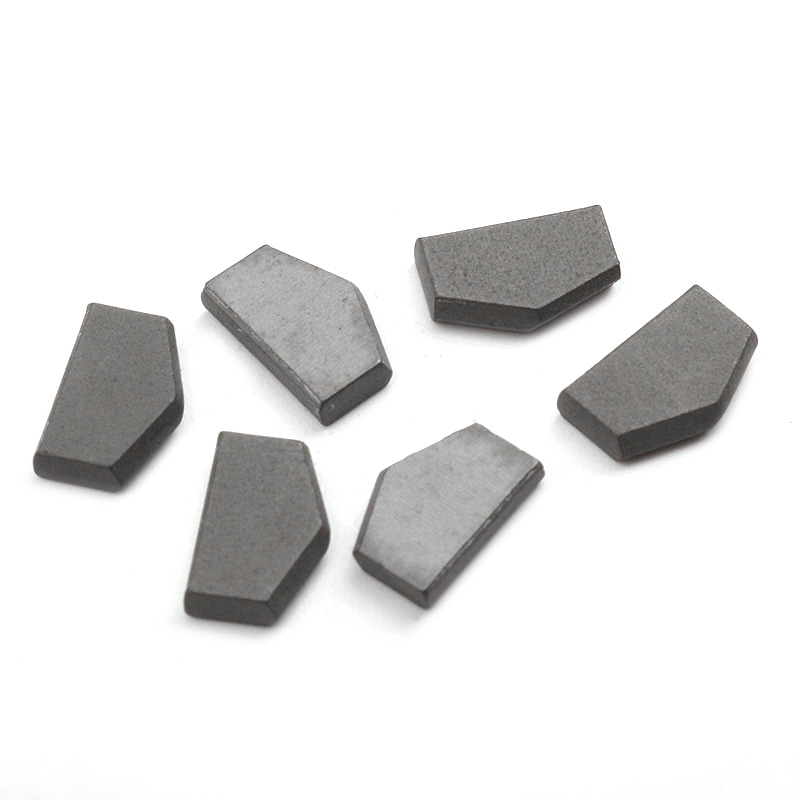
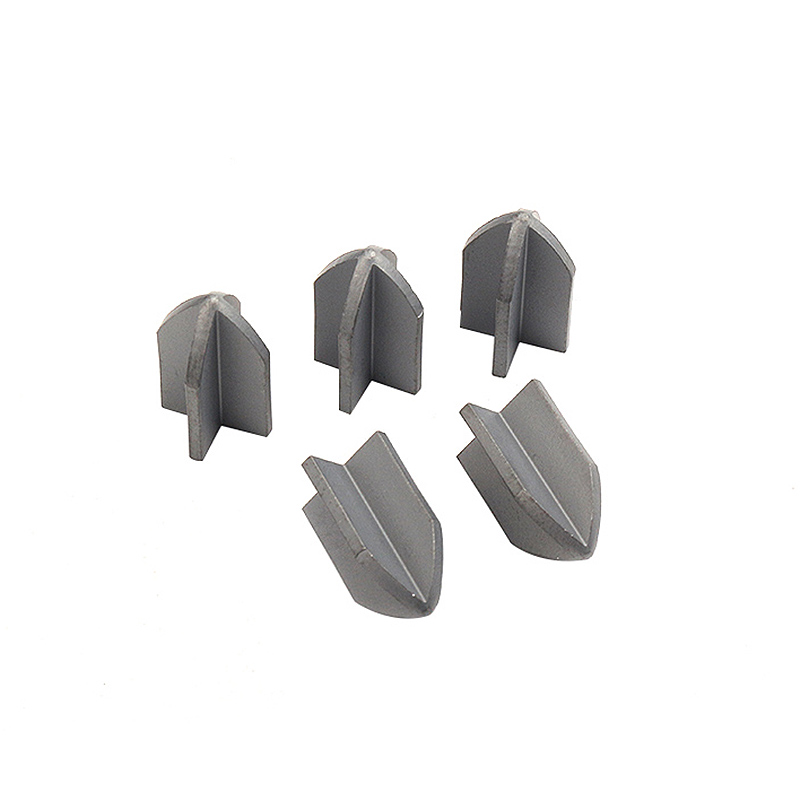
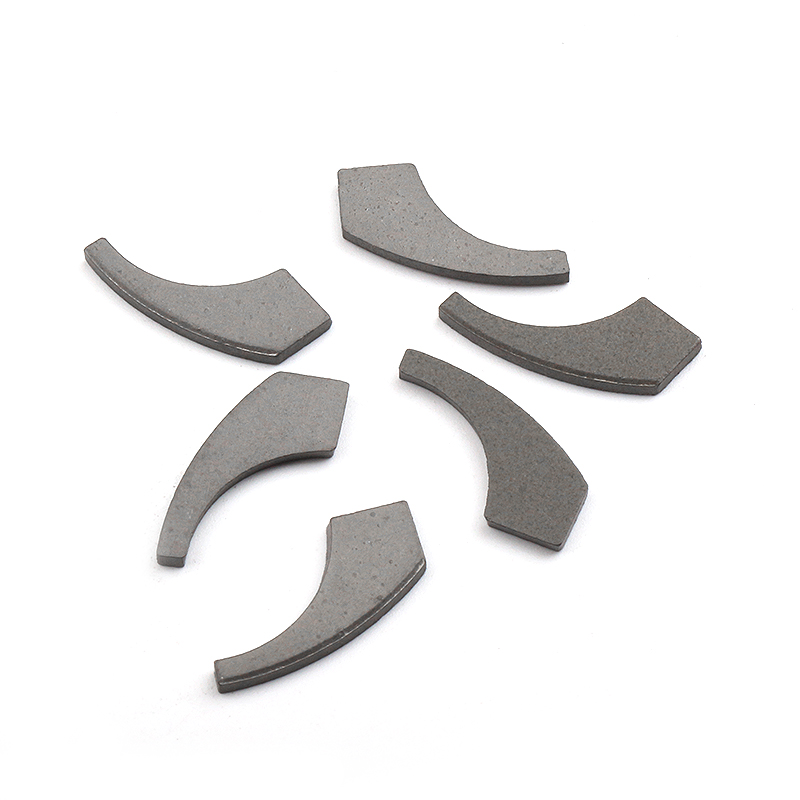
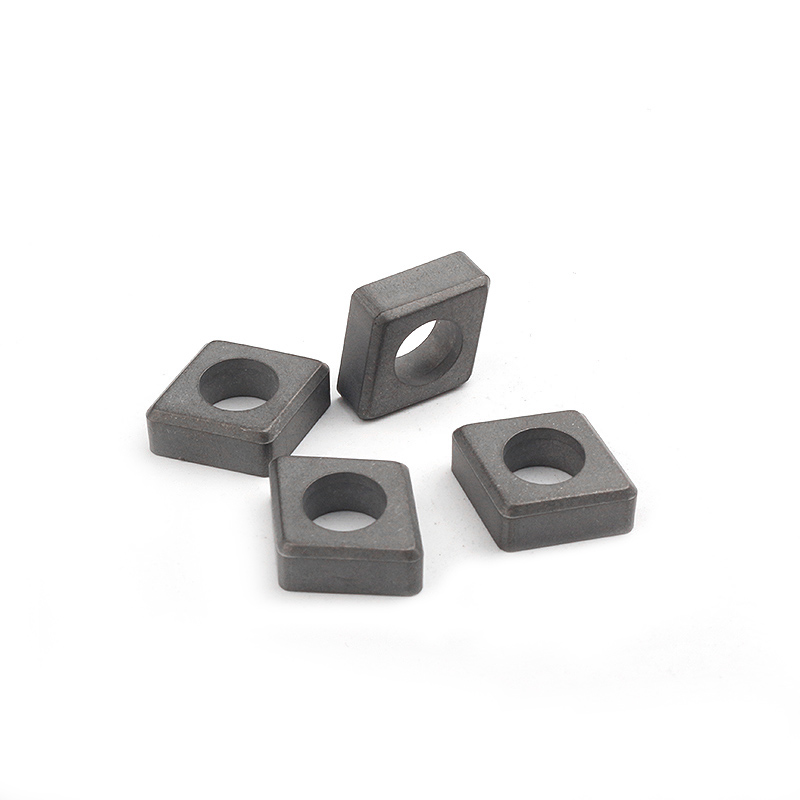
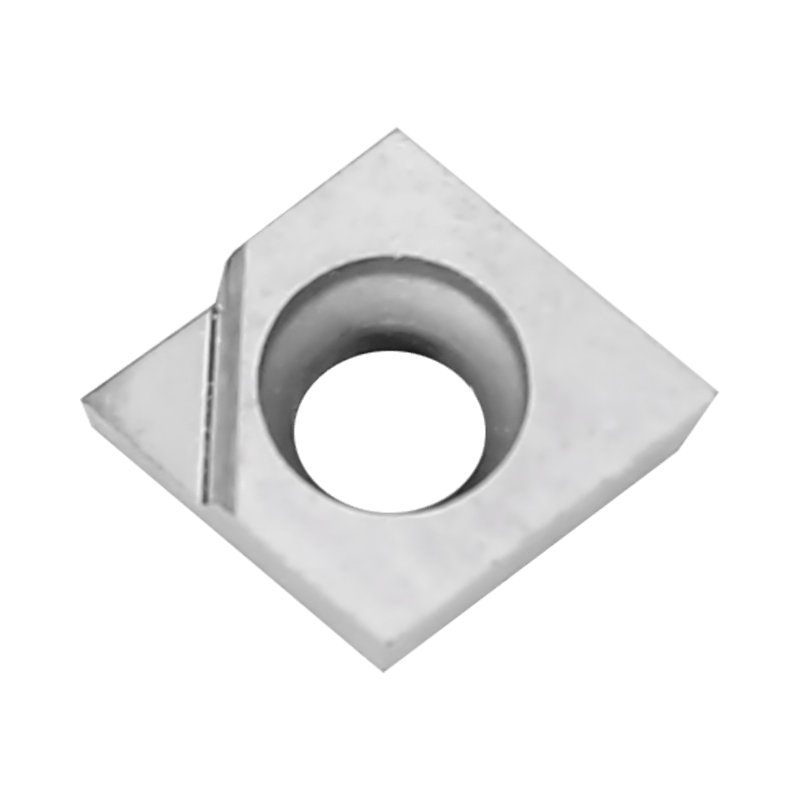
Advancements in digital manufacturing and automation have reshaped operations in a Carbide Brazed Tips Factory, affecting the way Carbide Brazed Tips are produced and monitored. The integration of Industry 4.0 technologies, including real-time data collection, intelligent sensors, and connected machinery, provides factories with tools to refine processes and better coordinate production activities. These changes influence efficiency, quality control, and resource management, reflecting a gradual shift from traditional methods toward more responsive and flexible production.
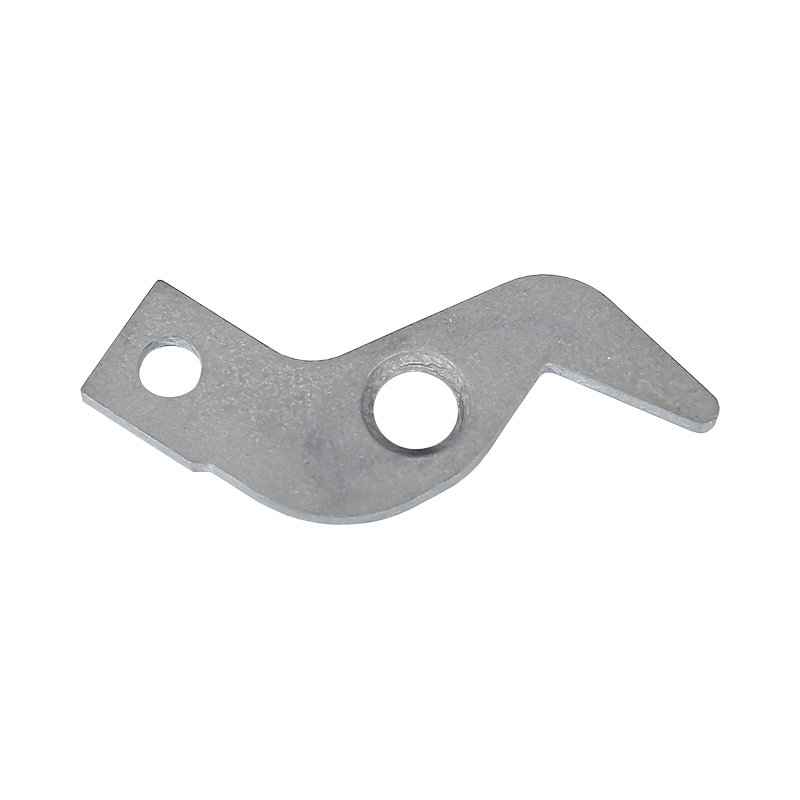
Industry 4.0 enables factories to apply automated systems for tasks that were previously manual or semi-automated. This includes CNC machines for shaping carbide tips, robotic brazing arms, and automated inspection equipment. Practical implications include:
By observing these parameters digitally, operators can adjust schedules or process settings without waiting for manual inspections, maintaining consistent workflow and limiting unnecessary downtime.
The collection and analysis of real-time production data allow management to make informed decisions about workflow and resource allocation. Factories can evaluate machine utilization, material consumption, and throughput trends, providing insights for adjusting batch sizes or machine sequencing. This reduces bottlenecks and improves the predictability of production cycles. Data systems also help identify when preventive maintenance is necessary, which supports smoother operations without the need for reactive interventions.
Industry 4.0 practices extend beyond the factory floor. By connecting production systems with suppliers and logistics partners, factories can plan material deliveries according to production demand. This integration reduces excess inventory, ensures timely availability of carbide rods and brazing materials, and limits storage-related risks. For production teams, this means fewer interruptions caused by delayed or mismatched materials, while maintaining alignment with client schedules.
Intelligent machinery allows for better utilization of existing equipment. Sensors can monitor operating conditions and performance levels, helping schedule tasks according to machine capabilities and current workload. Staff can prioritize tasks to balance line efficiency without overloading specific units, reducing idle time and ensuring smoother transitions between operations. This level of visibility is especially relevant for high-precision processes where uniform heating and pressure are essential to maintain dimensional consistency in carbide tips.
Operators in a Carbide Brazed Tips Factory may experience changes in daily responsibilities due to Industry 4.0 implementation. Manual measurement and recording tasks are increasingly replaced by digital logging, allowing staff to focus on system monitoring and exception management. Training programs often emphasize interpreting machine feedback, adjusting process parameters, and responding to alerts. These adjustments help maintain workflow continuity while aligning staff actions with automated systems.
End users of carbide brazed tips might not directly interact with these technological changes, but they benefit from more predictable product quality and consistent supply. Enhanced monitoring and data-driven scheduling can reduce variations in tip geometry or brazing consistency, which supports smoother integration into machining or drilling operations. While the improvements are primarily operational, they influence the overall reliability of delivery and the consistency of tools received by industrial clients.
The implementation of Industry 4.0 technologies in carbide tip production introduces a systematic way to observe, adjust, and coordinate operations across multiple stages of manufacturing. Factories adopting these practices refine process management, enhance scheduling, and improve the use of resources without fudamentally changing the physical steps of brazing and shaping. This gradual integration of digital tools provides a framework for maintaining efficiency and responsiveness in carbide tips production while supporting practical improvements that are observable to both staff and end users.
 2th Zhengde Road, Furong Town Industrial Zone, Yueqing City, Wenzhou City, Zhejiang, China
 +86-18368755111 / +86-57762299177
 +86-57762298133
 2528647427@qq.com
Copyright © Zhejiang Yueqing Yueyu Alloy Material Co., Ltd. All Rights Reserved.
Wholesale Carbide Tips Manufacturer