English
 عربى
عربى
Industry News
Home / News / Industry News / What Innovations Are Emerging In Carbide Brazed Tips Design Technology?

2026-03-20
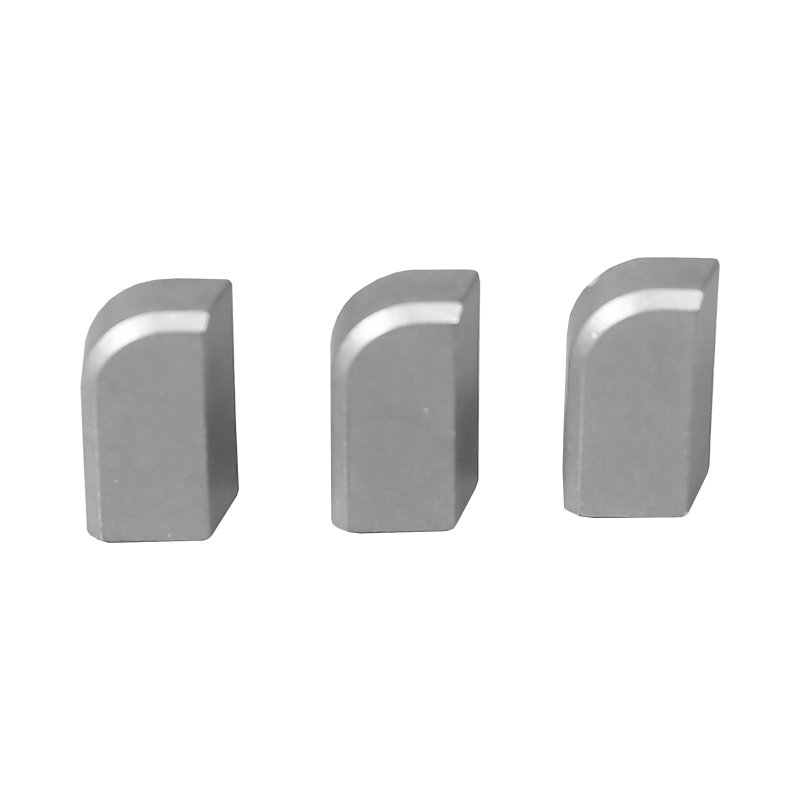
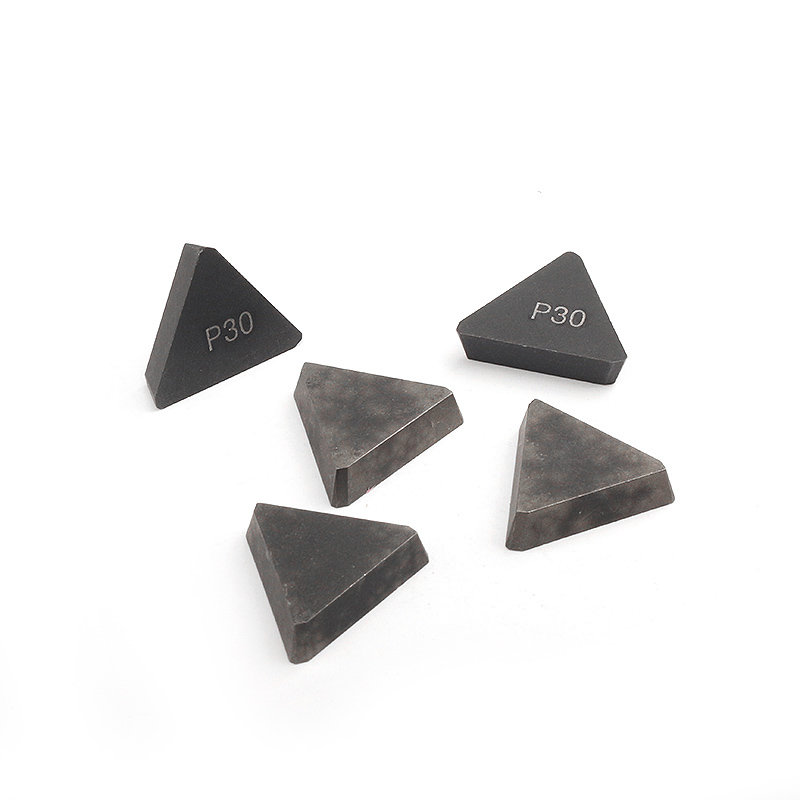
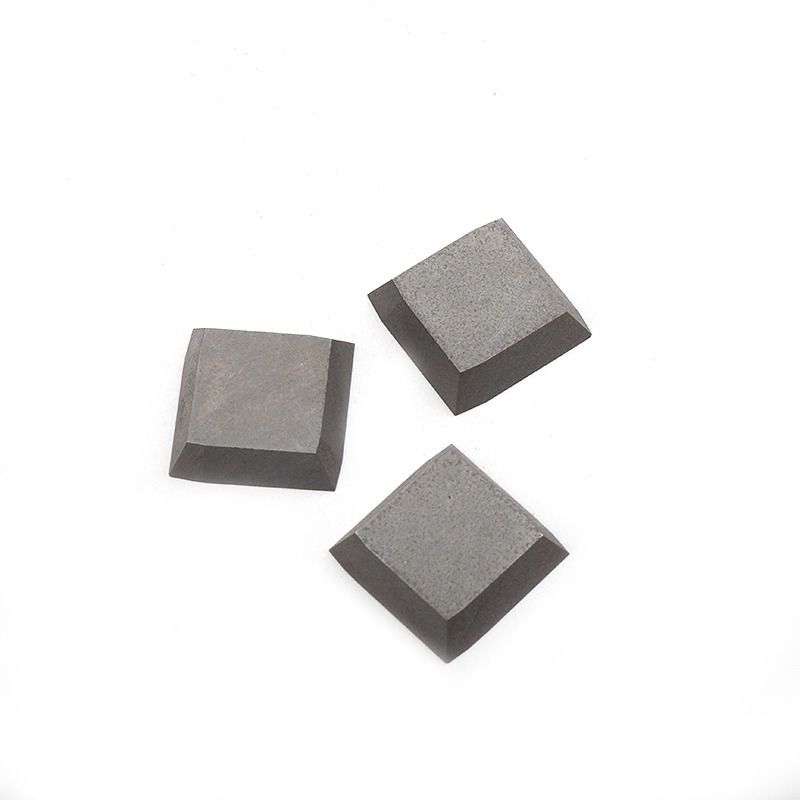
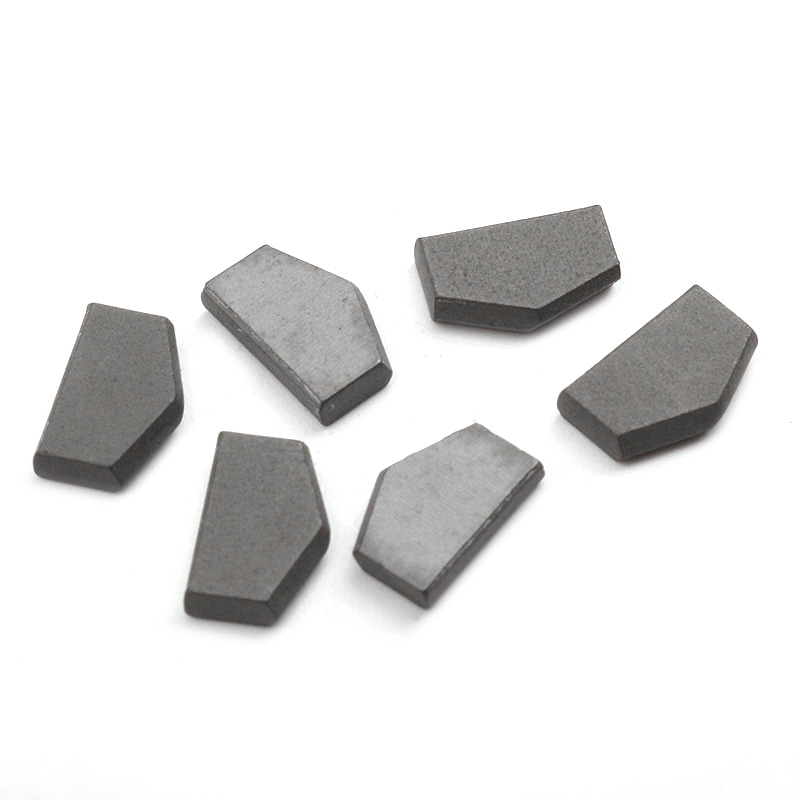
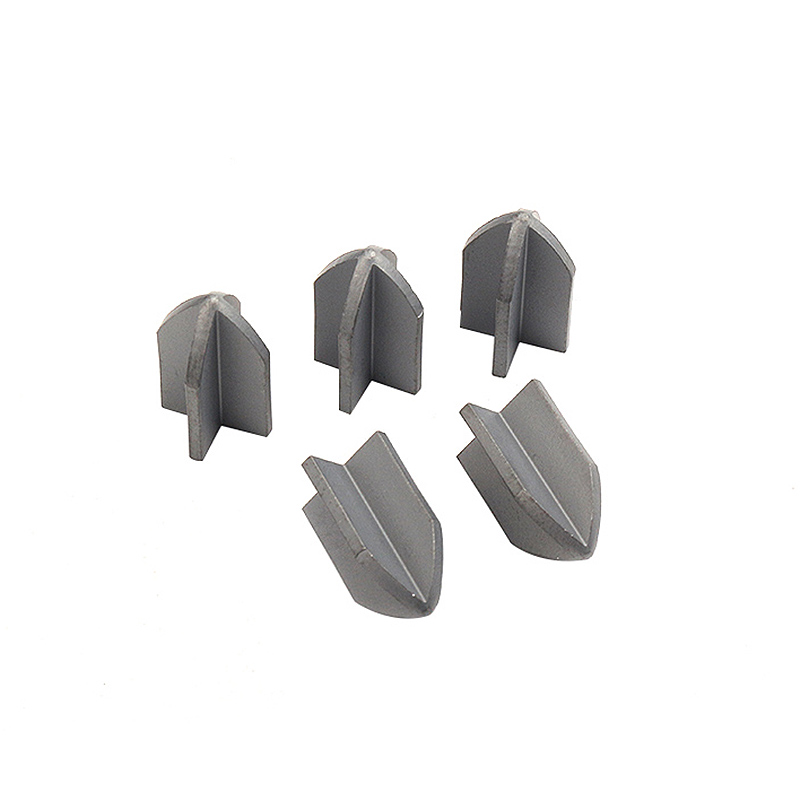
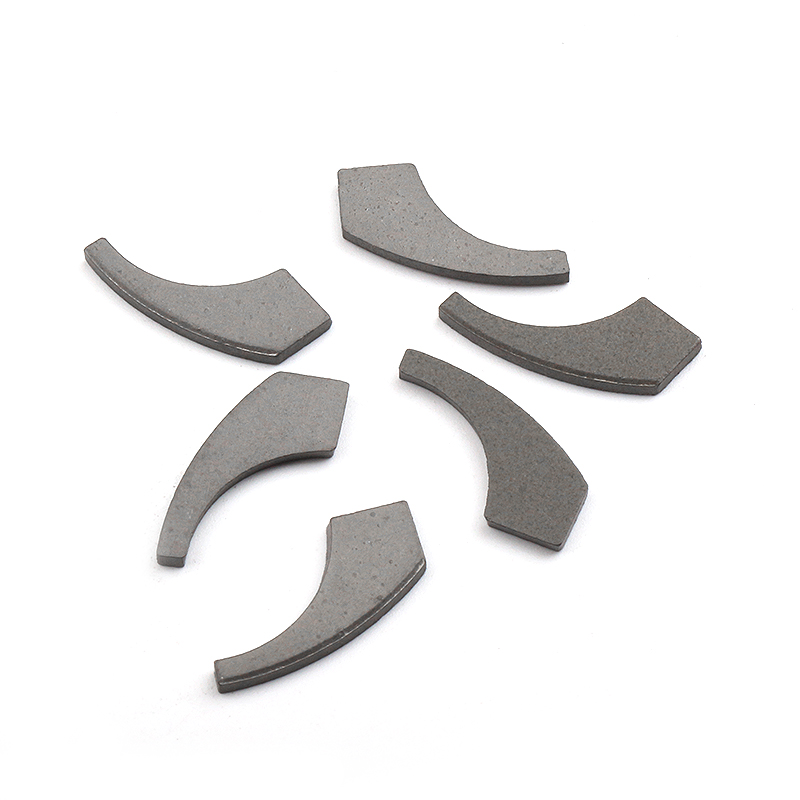
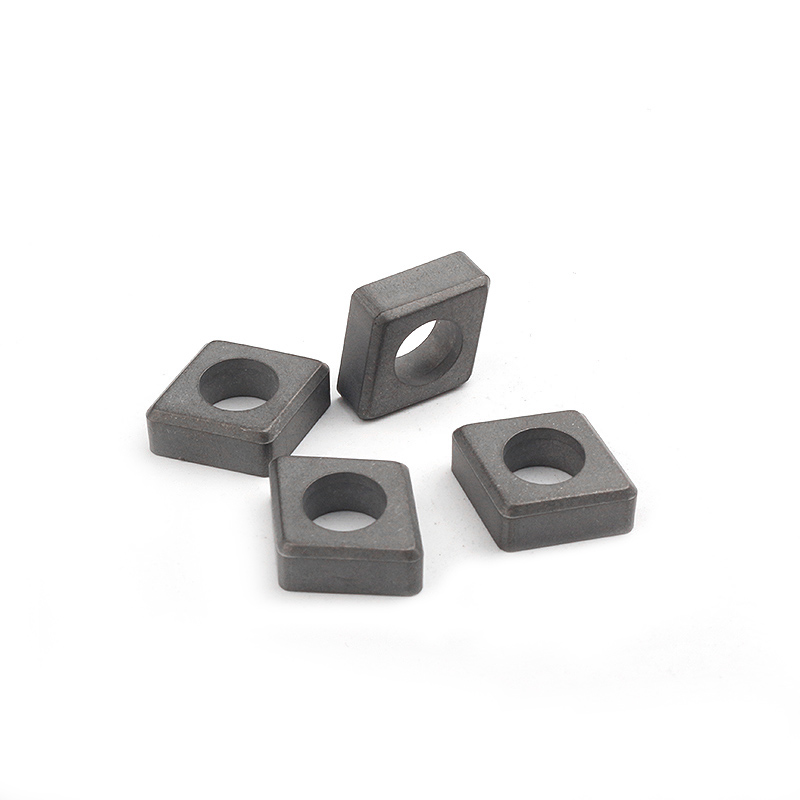
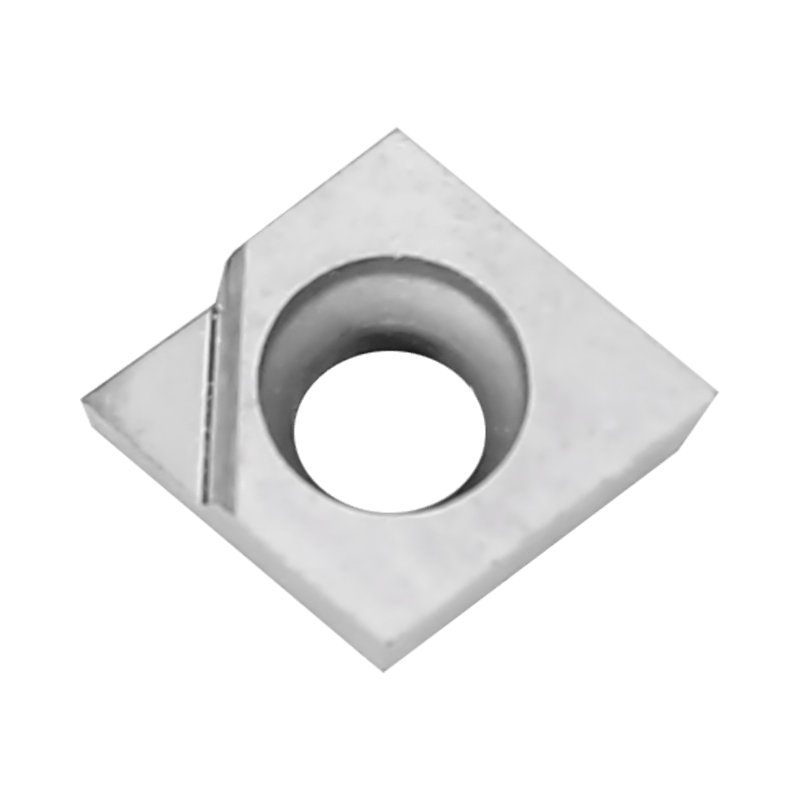
The landscape of tool manufacturing is evolving as designers and engineers explore new approaches to Carbide Brazed Tips. At a Carbide Brazed Tips Factory, innovation in design technology focuses on improving production consistency, material usage, and adaptability to different cutting conditions. These developments are not only influenced by manufacturing capabilities but also by industry trends toward efficiency, precision, and environmental awareness.
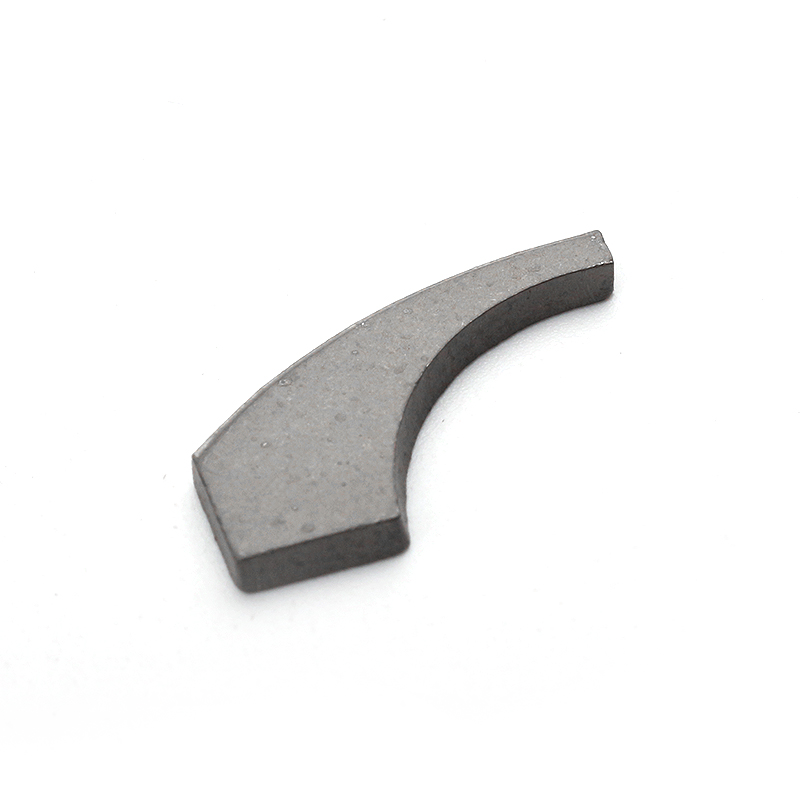
Several practical innovations are being integrated into carbide tip design:
These design strategies allow factories to tailor carbide tips to particular machining conditions, which can help reduce material waste and improve predictability during production cycles.
Advanced software tools are increasingly used in Carbide Brazed Tips Factory operations. Digital modeling enables engineers to simulate mechanical stresses, thermal effects, and wear patterns before producing physical prototypes. This approach provides several practical benefits:
By simulating these conditions, designers can make informed decisions about material combinations and tip geometry, avoiding trial-and-error in the physical workshop and improving the overall consistency of manufactured tips.
Innovations in equipment and process control are also affecting carbide tip production. High-precision CNC machining, laser-assisted shaping, and controlled brazing environments help maintain dimensional uniformity and reduce deviations between batches. Factories are able to monitor temperature, pressure, and alignment more closely during the brazing stage, ensuring each tip adheres to the intended design specifications. These adjustments contribute to predictable performance when tips are installed on tools.
Design innovations are complemented by changes in supply chain management and material handling. Factories can now track carbide rod quality, brazing materials, and coating supplies digitally, coordinating delivery and inventory with actual production needs. This reduces idle time and reduces the risk of material inconsistencies affecting the final product. Additionally, scrap and excess materials can be collected for reprocessing or recycling, integrating sustainability considerations into design and production planning.
For end users, innovations in design technology manifest as more consistent tool behavior and simplified maintenance. Segmented or hybrid tips may require slightly different installation procedures, but the adjustments are minor and generally enhance usability. Better alignment between tip geometry and operational requirements can reduce unwanted vibration, uneven wear, or unplanned tool replacement. Users benefit indirectly from design strategies that consider both performance stability and material efficiency.
The development of new design approaches in Carbide Brazed Tips combines material science, digital modeling, and precision manufacturing to create tips that are better suited to varied operational needs. Factories applying these methods focus on maintaining consistency, reducing waste, and adapting to specialized cutting conditions. These practical improvements support a more predictable production cycle and provide end users with tools that are easier to integrate into industrial applications.
 2th Zhengde Road, Furong Town Industrial Zone, Yueqing City, Wenzhou City, Zhejiang, China
 +86-18368755111 / +86-57762299177
 +86-57762298133
 2528647427@qq.com
Copyright © Zhejiang Yueqing Yueyu Alloy Material Co., Ltd. All Rights Reserved.
Wholesale Carbide Tips Manufacturer