English
 عربى
عربى
Industry News
Home / News / Industry News / How Sustainability Trends Influence Carbide Brazed Tips Manufacturing Practices?

2026-03-06
The production of Carbide Brazed Tips has been gradually shaped by sustainability trends, prompting factories and manufacturers to adopt methods that reduce environmental impact while maintaining functional quality. Carbide Brazed Tips Factory operations are increasingly exploring ways to integrate energy-efficient practices, material reuse, and cleaner production techniques into their workflows. This shift reflects a broader industry move toward resource-conscious manufacturing, responding to both regulatory frameworks and evolving client expectations.
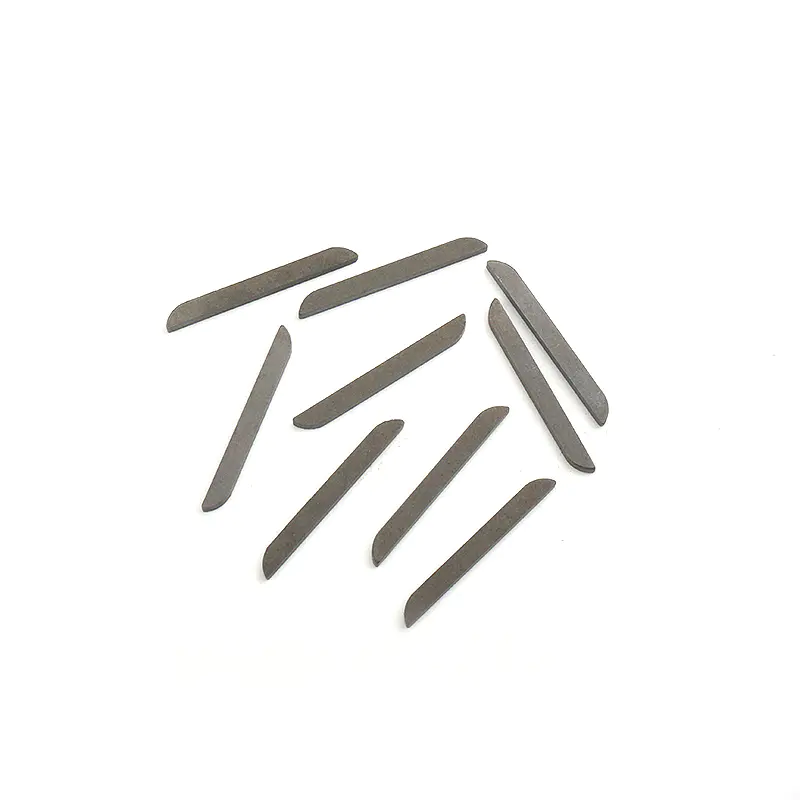
Manufacturing carbide-tipped tools traditionally consumes significant energy, particularly during brazing and sintering processes. Factories are responding to sustainability trends by reviewing energy use across their operations:
Resource management also extends to raw materials. Carbide materials are often sourced under strict quality control, but waste fragments from cutting and shaping can be collected and reincorporated into new tips after appropriate processing. This approach reduces the total demand for virgin material while keeping the production process efficient.
Sustainability in carbide tips manufacturing is not only about energy efficiency but also involves careful material selection. Factories are exploring binders and flux materials that produce less environmental residue and allow safer handling for operators. Reducing heavy metal content in certain alloys and using water-based cleaning agents rather than solvent-heavy solutions are practical steps that align with environmental standards and improve workplace safety.
A key area where Carbide Brazed Tips Factory operations can reflect sustainability is waste handling. By categorizing production scrap and spent consumables, manufacturers can identify items suitable for recycling or repurposing. Common practices include:
Segregating metal clippings from non-metal residues for appropriate disposal
Treating chemical byproducts before release to comply with environmental regulations
These methods not only lower environmental impact but also provide cost efficiency by reusing materials that would otherwise require disposal.
Beyond materials and waste, operational approaches in factories are evolving. Adjustments may include scheduling smaller batch sizes to reduce overproduction, adopting more precise brazing techniques to lower defect rates, and maintaining equipment to operate consistently without excessive energy consumption. Staff training emphasizes mindful handling of materials and adherence to energy-conscious procedures, which contributes to a steady integration of sustainability in day-to-day work.
Sustainability in carbide tips manufacturing extends upstream and downstream. Factories are increasingly assessing suppliers based on their environmental practices, while also coordinating with logistics partners to reduce transportation-related emissions. Consolidating shipments and selecting carriers with lower carbon footprints are practical steps that contribute to a more resource-aware supply chain. On the client side, clear communication about production standards and material choices helps align expectations regarding environmental practices.
End users of carbide brazed tips may notice subtle changes that result from sustainable practices. Tools might come with different handling or storage recommendations due to changes in cleaning agents or coatings, and maintenance schedules could adapt to optimized operational procedures in production. While these adjustments are modest, they reflect the factory’s consideration for environmental impact without compromising functional use in cutting or drilling operations.
Sustainability trends are reshaping how Carbide Brazed Tips are manufactured, influencing material selection, waste management, energy usage, and operational coordination. Factories that integrate these approaches provide a framework for environmentally attentive production that still meets industrial requirements. Users benefit indirectly through more conscientious manufacturing processes and gradually refined production techniques that are aligned with broader resource-conscious initiatives.
 2th Zhengde Road, Furong Town Industrial Zone, Yueqing City, Wenzhou City, Zhejiang, China
 +86-18368755111 / +86-57762299177
 +86-57762298133
 2528647427@qq.com
Copyright © Zhejiang Yueqing Yueyu Alloy Material Co., Ltd. All Rights Reserved.
Wholesale Carbide Tips Manufacturer