English
 عربى
عربى
Industry News
Home / News / Industry News / What Safety Measures Should Carbide Brazed Tips Factory Implement Now?

2026-04-03
Ensuring safe operations in a Carbide Brazed Tips Factory is essential not only for employee well-being but also for maintaining stable production of Carbide Brazed Tips. The production process involves handling hard carbide materials, high-temperature brazing, and precision machinery, all of which present potential risks if safety protocols are inadequate. A thorough understanding of these risks and implementation of practical safety measures help factories prevent accidents, maintain regulatory compliance, and support consistent workflow.
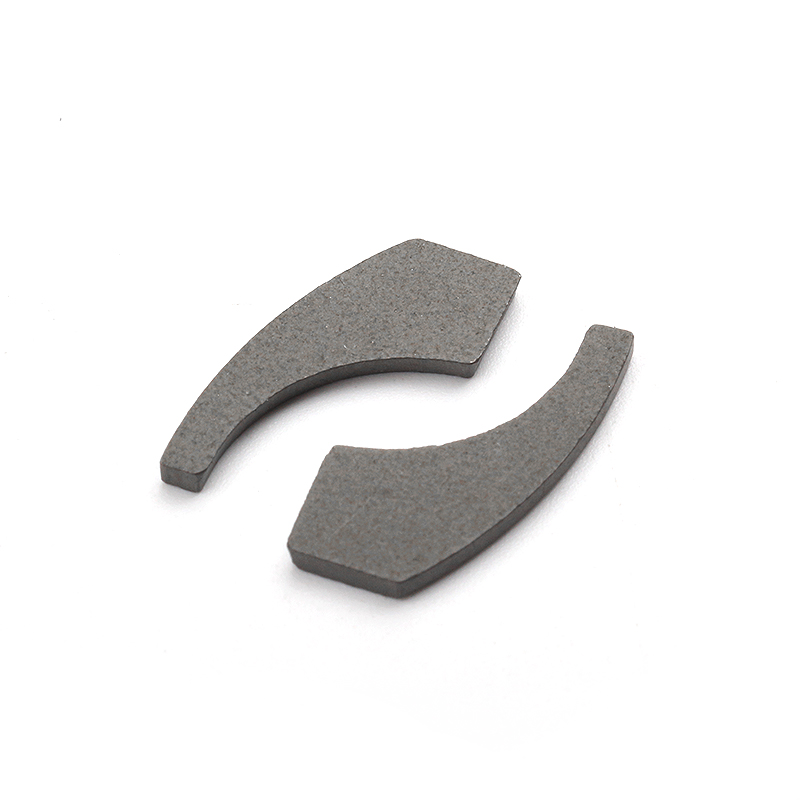
Practical steps that factories can adopt include:
Personal Protective Equipment (PPE) – Staff should have access to heat-resistant gloves, safety goggles, face shields, respirators, and protective clothing. PPE usage is especially important during handling of carbide rods, brazing operations, and cleaning processes where dust or chemical exposure may occur.
Machine Guarding and Safety Interlocks – CNC machines, brazing units, and robotic arms should be equipped with barriers, shields, and emergency stop functions to prevent accidental contact with moving parts or hot surfaces. Sensors and interlocks help reduce risks when machinery is operated or adjusted.
These measures provide a baseline of protection, allowing staff to interact with machinery and materials while reducing exposure to hazards.
Equipment condition and process stability are directly linked to safety in carbide tip production. Regular inspection of CNC machines, brazing furnaces, and finishing equipment can identify wear or misalignment that might cause unsafe operating conditions. Temperature and pressure monitoring during brazing is particularly important, as overheating or uneven heating can create hazards. Preventive maintenance schedules and documented process checks contribute to safer operations while supporting steady production output.
Carbide materials and brazing fluxes may generate dust or fumes that require careful control. Factories should implement containment strategies such as sealed storage for powders, local exhaust ventilation, and routine cleaning protocols. Proper handling, labeling, and disposal of chemical residues reduce the risk of worker exposure or environmental contamination. Staff should also be trained on the correct use of filters, scrubbers, and protective clothing to prevent inhalation of particles or contact with skin.
Preparedness is a critical component of a safe production environment. Factories should maintain clearly marked evacuation routes, fire suppression systems and spill containment measures. Assigning staff to handle emergencies and conducting periodic drills helps ensure that workers know how to respond promptly to fires, chemical spills, or equipment failures. Written protocols and regular reviews of emergency procedures keep safety practices current and actionable.
For staff, these safety measures reduce risks and clarify operational boundaries. Workers are better equipped to focus on precision tasks, from cutting and shaping carbide tips to brazing and finishing, without unnecessary exposure to hazards.Operational safety also influences supply predictability, ensuring that delivery schedules for carbide brazed tips remain consistent for clients.
While immediate safety measures address day-to-day risks, integrating safety into factory culture has long-term benefits. Regular audits, safety committees, and feedback systems help identify areas for improvement. By encouraging employees to report hazards or suggest process adjustments, factories create an environment where safety is embedded in decision-making. Over time, this proactive approach reduces workplace incidents, lowers maintenance interruptions, and fosters a stable environment for producing Carbide Brazed Tips efficiently.
Applying comprehensive safety measures in a Carbide Brazed Tips Factory creates a practical framework that protects staff, supports continuous operations, and maintains consistent product output. Through proper PPE, machine safeguards, chemical and dust management, maintenance, and emergency preparedness, factories can manage risks associated with high-temperature processes, heavy materials, and precision equipment. These practices provide tangible benefits to both employees and clients by maintaining steady production and predictable tool availability.
 2th Zhengde Road, Furong Town Industrial Zone, Yueqing City, Wenzhou City, Zhejiang, China
 +86-18368755111 / +86-57762299177
 +86-57762298133
 2528647427@qq.com
Copyright © Zhejiang Yueqing Yueyu Alloy Material Co., Ltd. All Rights Reserved.
Wholesale Carbide Tips Manufacturer