English
 عربى
عربى
Industry News

2026-05-29
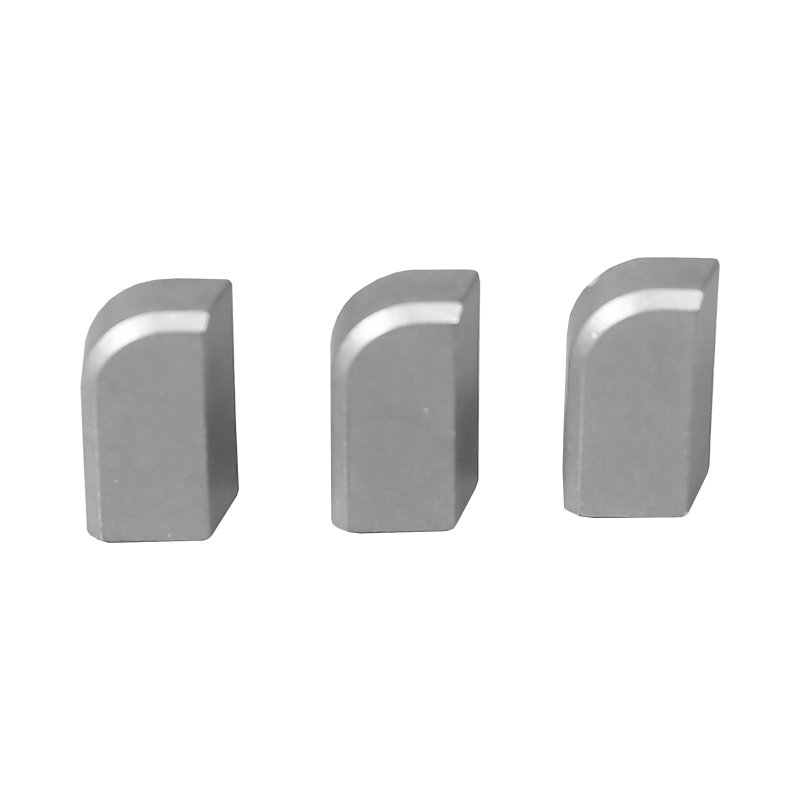
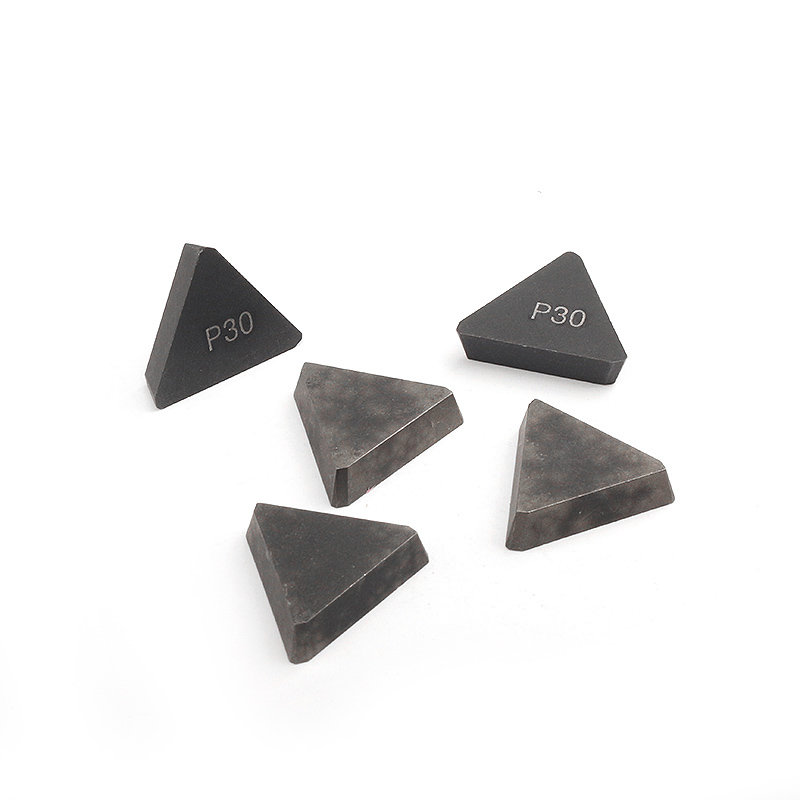
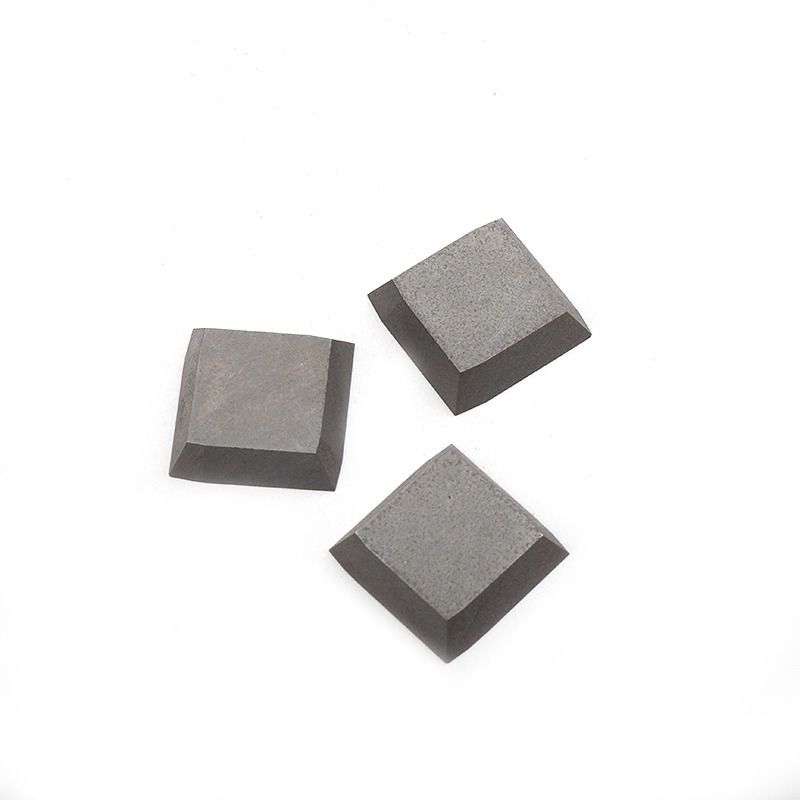
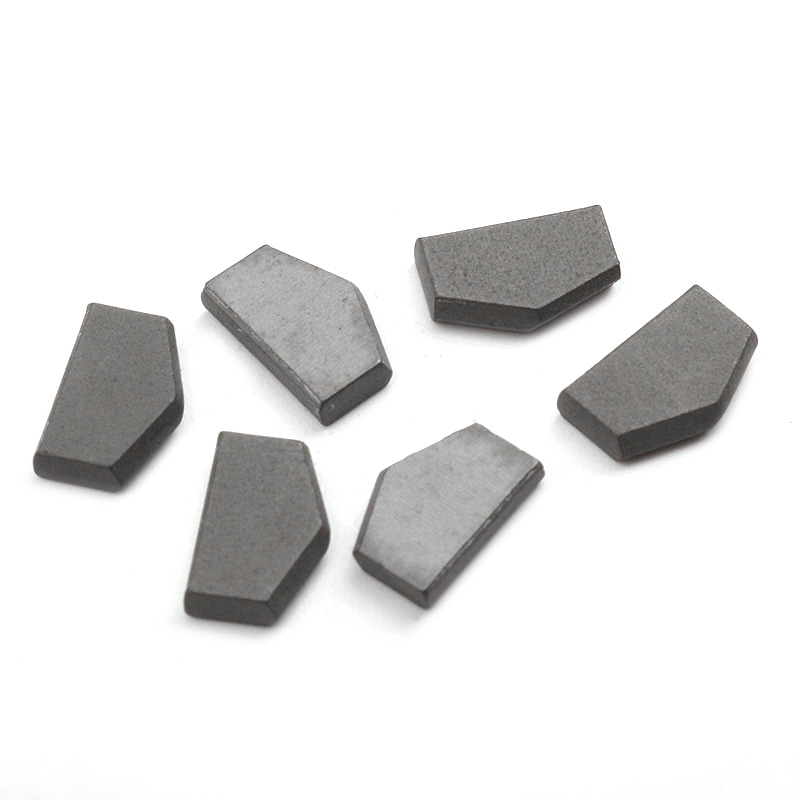
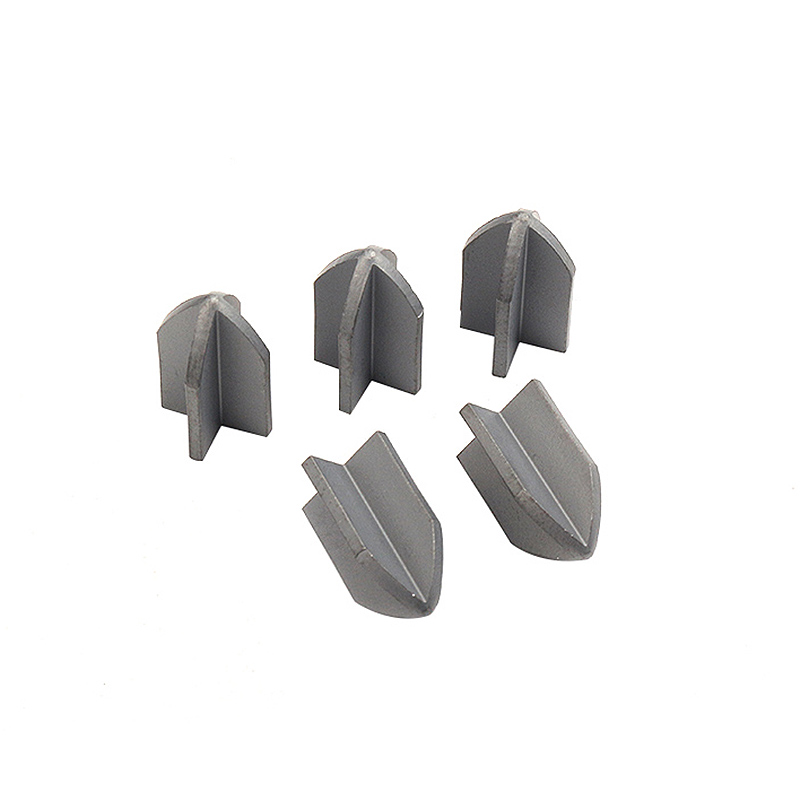
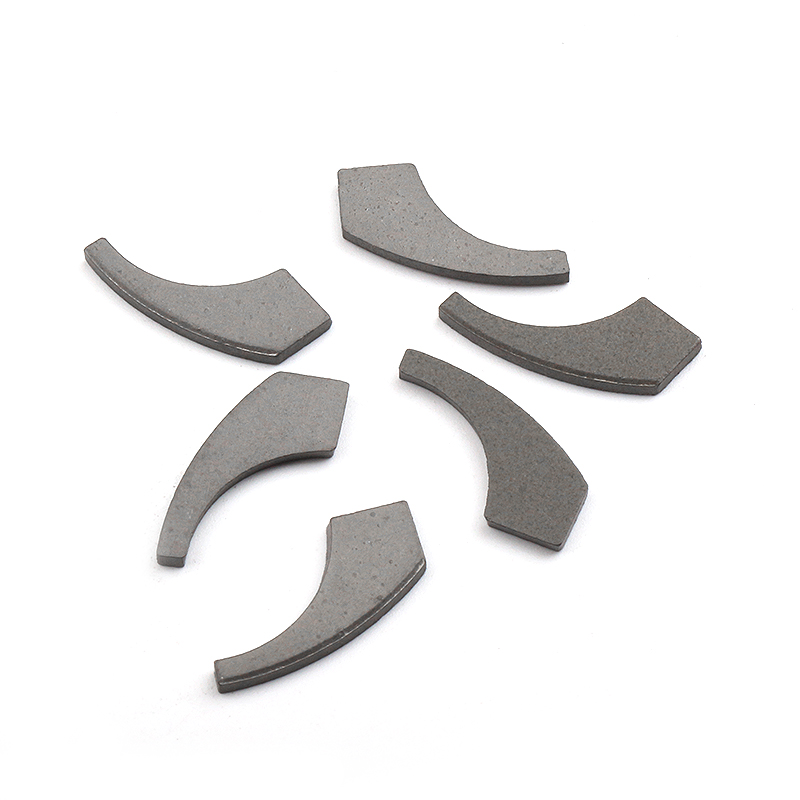
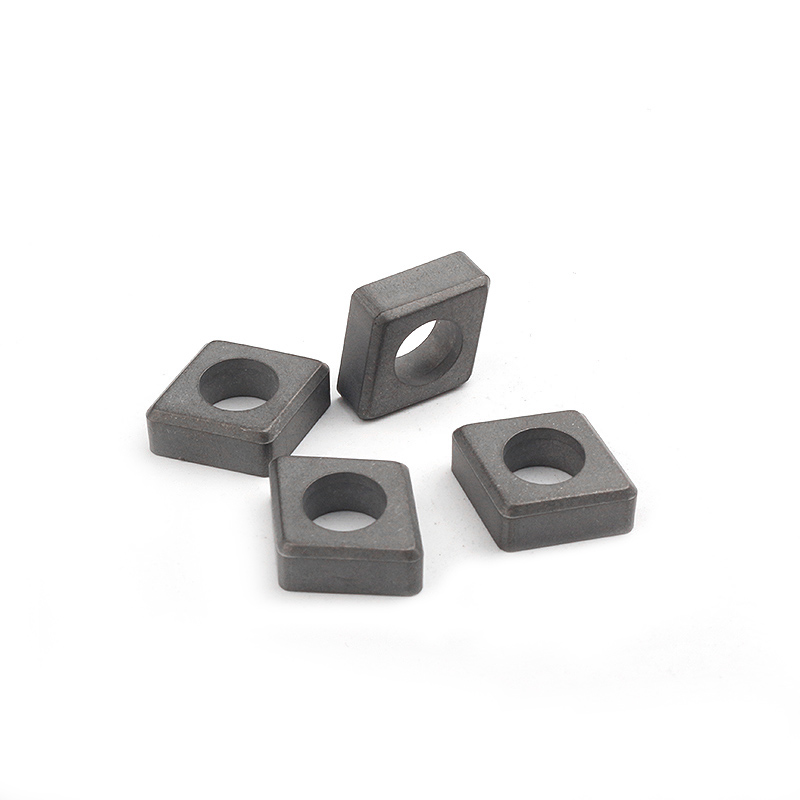
Rising demand for stable machining quality has increased attention on how a Tungsten Carbide Factory supports wear-resistant tooling materials, while an Indexable Insert Factory continues to refine insert structures that influence cutting consistency in precision machining processes. As machining tolerances become tighter across industrial sectors, insert design and carbide material coordination are playing a more visible role in controlling dimensional stability and surface consistency.
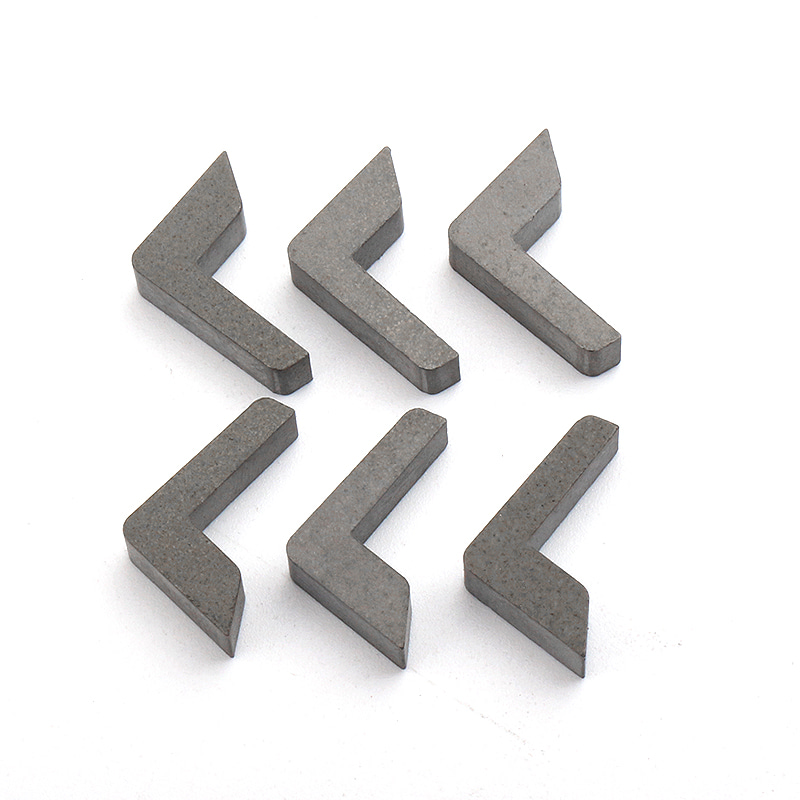
Precision machining often involves components with strict dimensional limits, where small variations in tool condition can influence final part accuracy. In turning, milling, and boring operations, inserts are exposed to continuous friction, heat, and mechanical load changes. Over time, these conditions cause gradual edge wear, which can affect surface finish and measurement repeatability.
One of the recurring challenges in production environments is maintaining consistent machining output across long cycles. When multiple machines operate simultaneously, differences in tool wear timing and replacement intervals can introduce variation between batches. Even when using similar machine settings, inconsistent insert conditions may result in slight deviations in surface texture or geometry.
Another issue relates to material diversity. Machining stainless steel, alloy steel, and cast iron requires different cutting behaviors, and a single insert design may not perform uniformly across all materials. This requires more structured tooling selection and controlled wear monitoring during production.
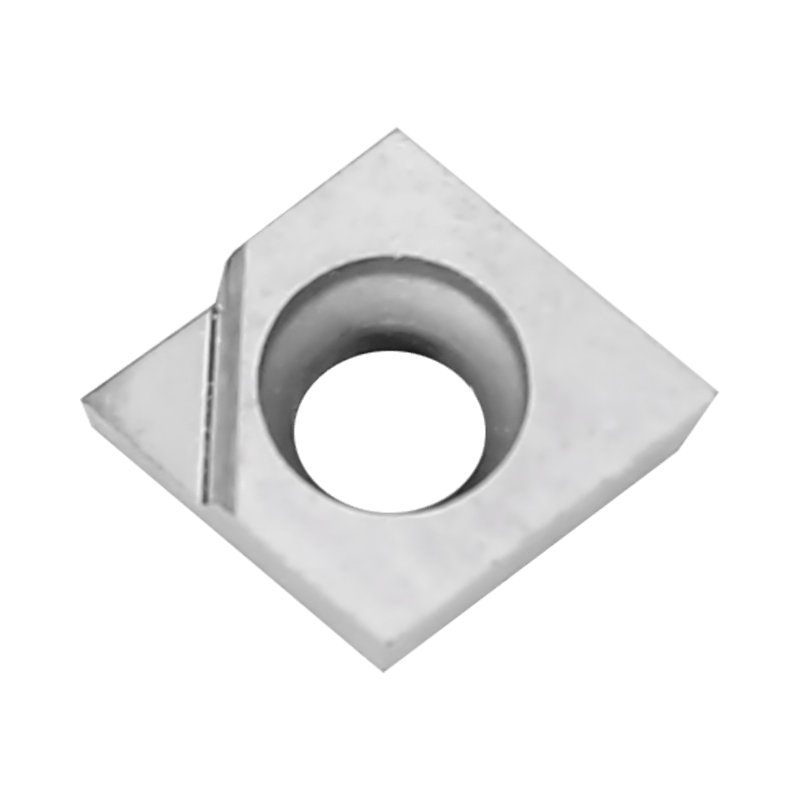
Development in indexable insert manufacturing has focused on improving stability during cutting operations and reducing variation in wear distribution. An Indexable Insert Factory typically works on refining geometry accuracy, edge preparation methods, and coating compatibility to support more controlled machining conditions.
At the same time, a Tungsten Carbide Factory plays a supporting role by producing carbide substrates that can withstand repeated cutting stress. The interaction between insert design and carbide composition directly affects how the cutting edge behaves during machining.
Key adjustments in this area include:
These adjustments are aimed at reducing unexpected variation in tool performance during continuous machining rather than changing the fundamental cutting process itself.
Indexable inserts supported by carbide materials are widely used in industries where precision and repeatability are required. In mold manufacturing, inserts are applied in finishing operations where surface consistency is important. The ability to replace cutting edges without changing the tool body helps maintain stable machining setups across long production runs.
In automotive component machining, indexable inserts are used for turning shafts, housings, and transmission parts. These operations often require multiple machining stages, and insert selection may vary depending on roughing or finishing requirements. Stable insert geometry helps maintain consistency across these different stages.
In hydraulic and pneumatic component production, machining involves valve bodies and connectors with tight sealing requirements. Insert wear behavior can influence sealing surface quality, making consistent cutting conditions an important factor in production planning.
Additional application areas include:
Across these sectors, indexable inserts are selected based on cutting stability rather than only cutting speed or hardness considerations.
In practical machining environments, insert performance is often evaluated through tool life tracking and surface inspection. Rather than relying solely on visual wear detection, many production lines now record cutting time, feed rate, and spindle load to estimate insert condition.
In one machining scenario involving alloy steel shafts, inserts with refined carbide substrates showed more consistent wear distribution across repeated production cycles. This reduced variation between early and later parts in the same batch, particularly in surface roughness measurements.
In another case involving mold cavity machining, insert replacement intervals were aligned with scheduled machine cycles. This approach helped reduce interruptions caused by unexpected tool changes and allowed operators to maintain more consistent machining parameters throughout production shifts.
A simplified overview of observed operational changes includes:
These observations reflect typical machining behavior in controlled production environments where tooling systems are closely managed.
The coordination between tungsten carbide materials and indexable insert systems supports a structured approach to precision machining. Instead of treating cutting tools as single-use components, production systems increasingly rely on modular insert-based designs that allow controlled replacement of cutting edges.
 2th Zhengde Road, Furong Town Industrial Zone, Yueqing City, Wenzhou City, Zhejiang, China
 +86-18368755111 / +86-57762299177
 +86-57762298133
 2528647427@qq.com
Copyright © Zhejiang Yueqing Yueyu Alloy Material Co., Ltd. All Rights Reserved.
Wholesale Carbide Tips Manufacturer