English
 عربى
عربى
Industry News
Home / News / Industry News / Why Supply Chain Disruptions Affect Carbide Brazed Tips Availability Globally?

2026-03-25
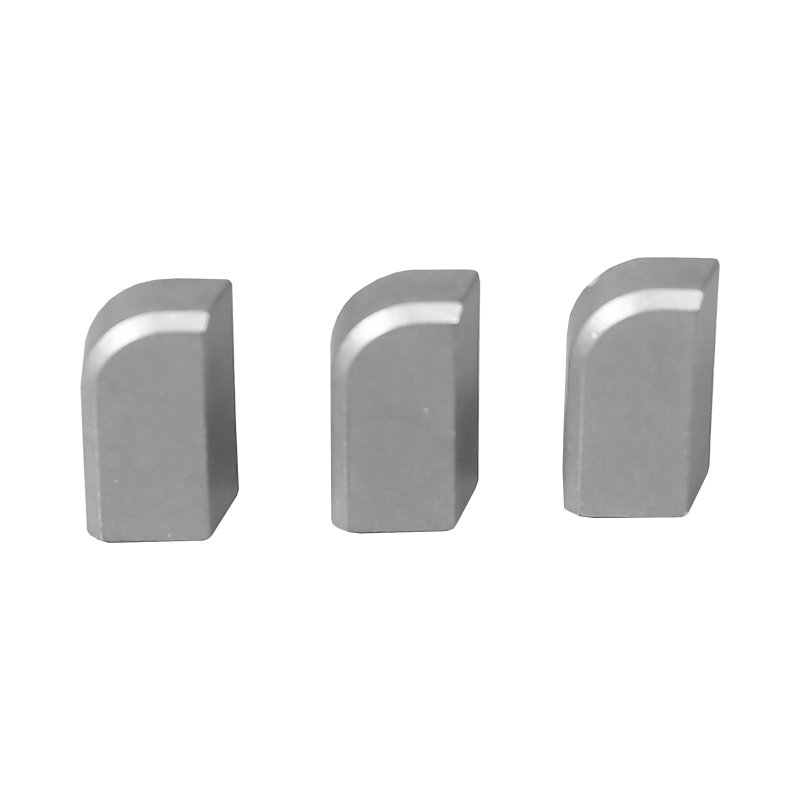
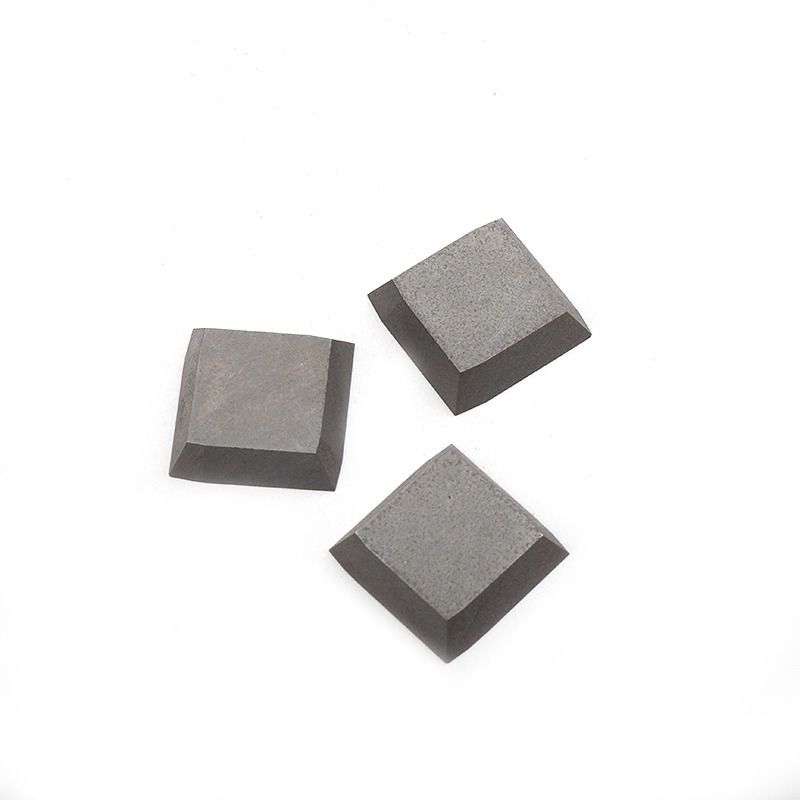
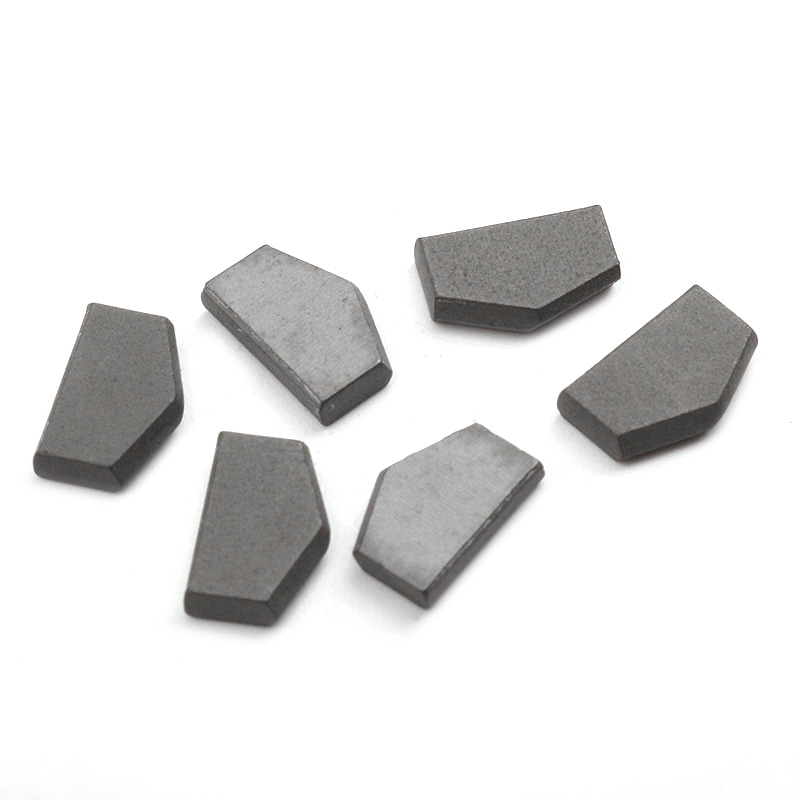
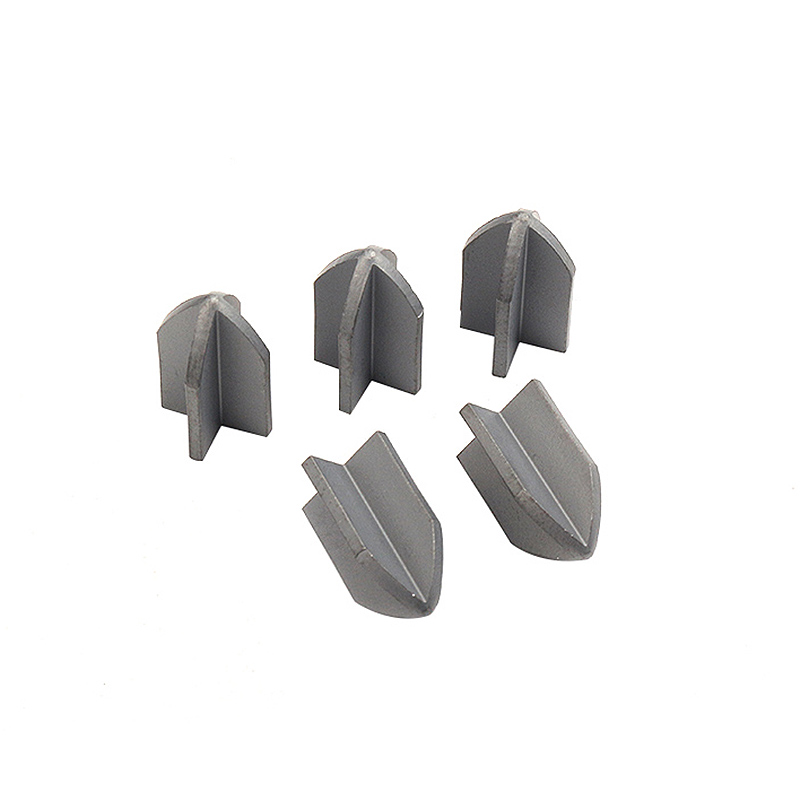
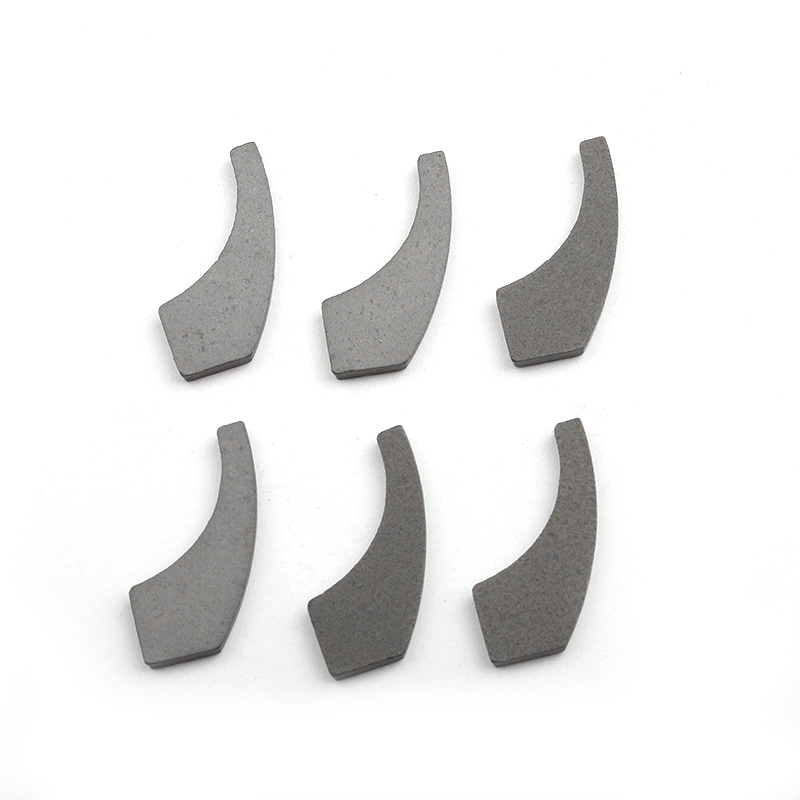
Global production and distribution of Carbide Brazed Tips are closely tied to the operations of a Carbide Brazed Tips Factory and the broader network of suppliers and logistics providers. Disruptions in the supply chain can influence availability, delivery schedules, and production planning. These interruptions may arise from material shortages, transportation delays, or fluctuations in demand, and understanding their impact helps industrial users anticipate and adapt to changes in tool supply.
Supply chain disruptions can take multiple forms, and factories often experience them simultaneously:
Understanding these factors allows manufacturers and users to plan accordingly, ensuring that operational requirements are maintained even during periods of constrained supply.
Factories are increasingly adopting measures to reduce the impact of supply chain fluctuations. Digital tracking systems, inventory buffers, and supplier diversification help maintain continuity. Monitoring raw material stock levels in real-time enables timely adjustments to procurement, while flexible production scheduling allows factories to adapt to unexpected delays. Additionally, close coordination with logistics providers can reduce transit interruptions and better align deliveries with production needs.
Supply chain issues in one region can influence availability elsewhere, especially for materials sourced internationally. For example, a delay in carbide import from a primary supplier can ripple across multiple factories, slowing production lines in distant locations. Similarly, transport bottlenecks or port congestion can extend delivery times, making local inventory management more critical. These dynamics highlight the interconnected nature of carbide tip production and distribution.
Industrial users who rely on carbide brazed tips may notice longer times or variability in stock levels during periods of disruption. Planning ahead by maintaining adequate inventory, adjusting ordering schedules, or exploring alternative suppliers can help reduce operational interruptions. Awareness of potential delays also allows users to coordinate machine maintenance and production schedules more effectively.
Over time, supply chain challenges have encouraged both factories and clients to develop a more responsive approach to production and inventory management. Factories monitor supplier reliability, maintain flexible stock policies, and integrate digital tools to track shipments. Users benefit indirectly through improved communication regarding expected delivery times and the ability to plan tool usage according to current availability. While global disruptions cannot be entirely eliminated, these practices support steadier access to carbide tips and reduce the likelihood of unexpected shortages.
The availability of Carbide Brazed Tips is shaped by both internal production capacity and the wider supply chain, encompassing material sourcing, transportation, and logistics coordination. Factories that observe these dynamics can adjust operations and inventory strategies, allowing users to plan more effectively. Understanding the practical implications of supply chain fluctuations helps industrial clients maintain continuous operations while navigating variations in delivery schedules and tool accessibility.
 2th Zhengde Road, Furong Town Industrial Zone, Yueqing City, Wenzhou City, Zhejiang, China
 +86-18368755111 / +86-57762299177
 +86-57762298133
 2528647427@qq.com
Copyright © Zhejiang Yueqing Yueyu Alloy Material Co., Ltd. All Rights Reserved.
Wholesale Carbide Tips Manufacturer