English
 عربى
عربى
Industry News
Home / News / Industry News / What Process Adjustments Improve Carbide Welding Blade Heat Resistance?

2025-12-19
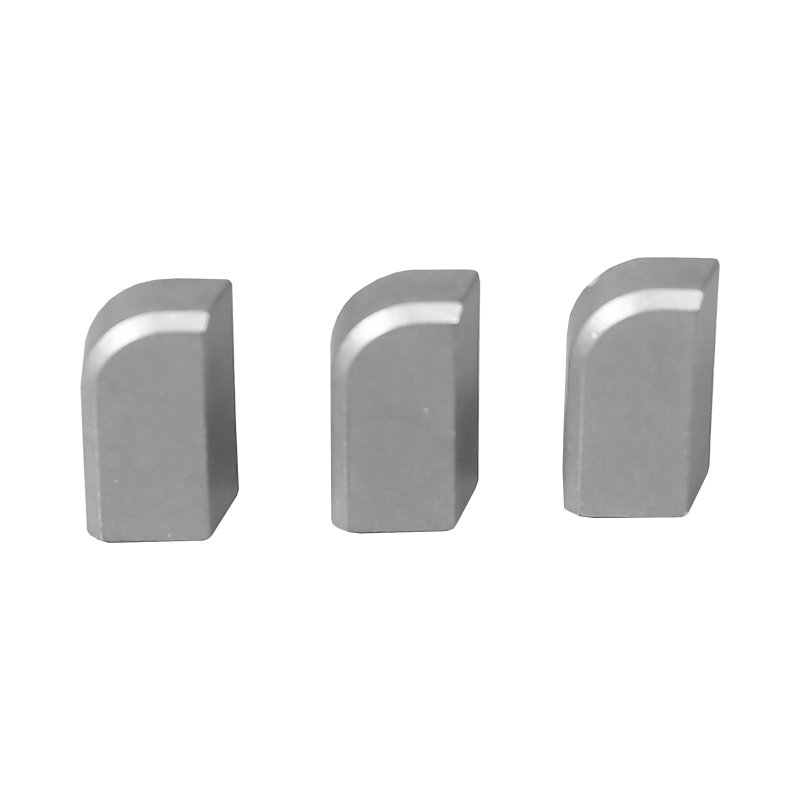
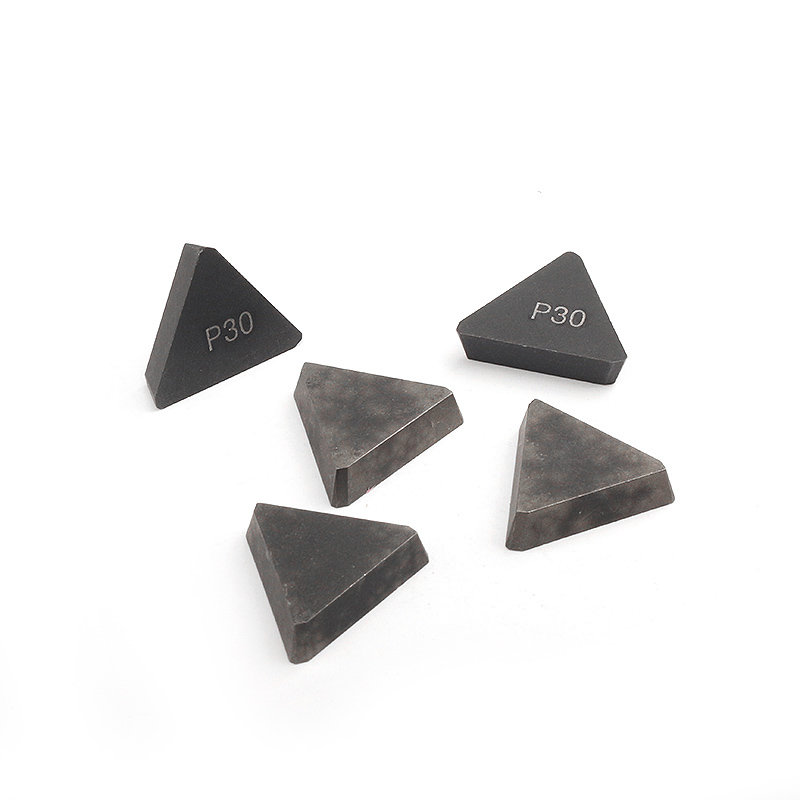
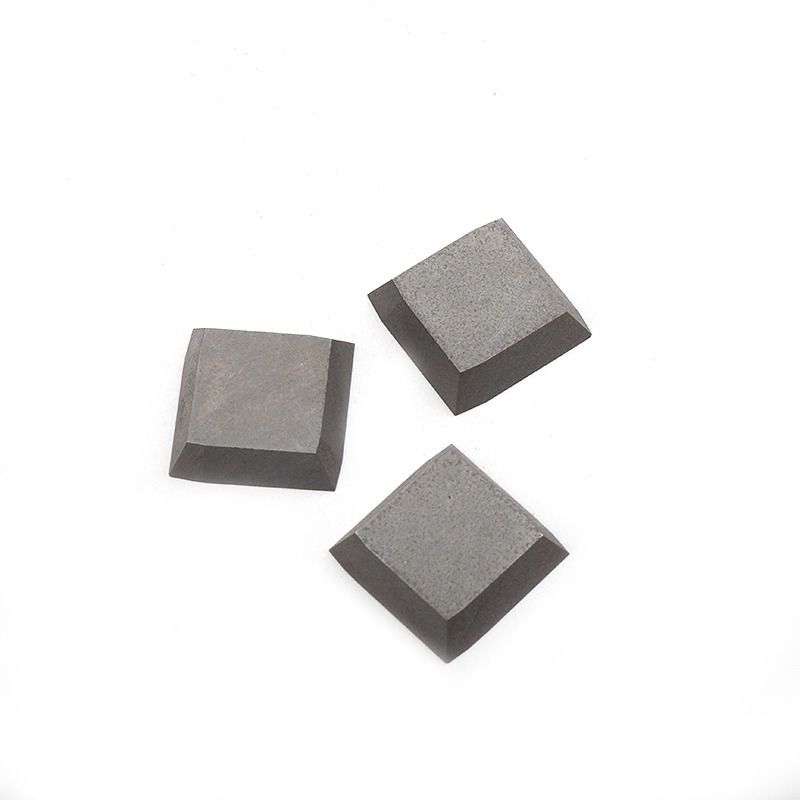
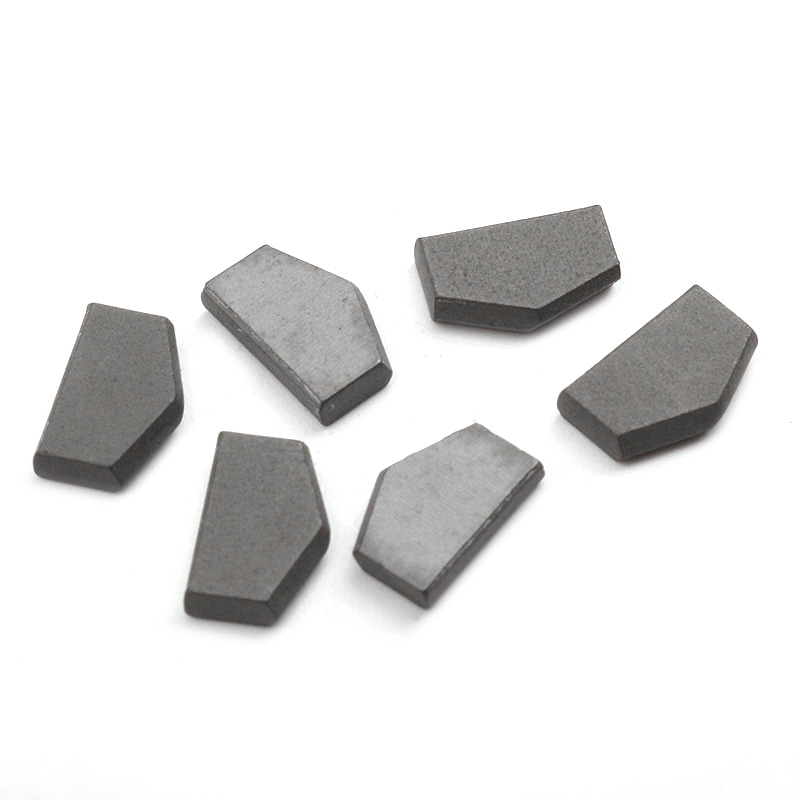
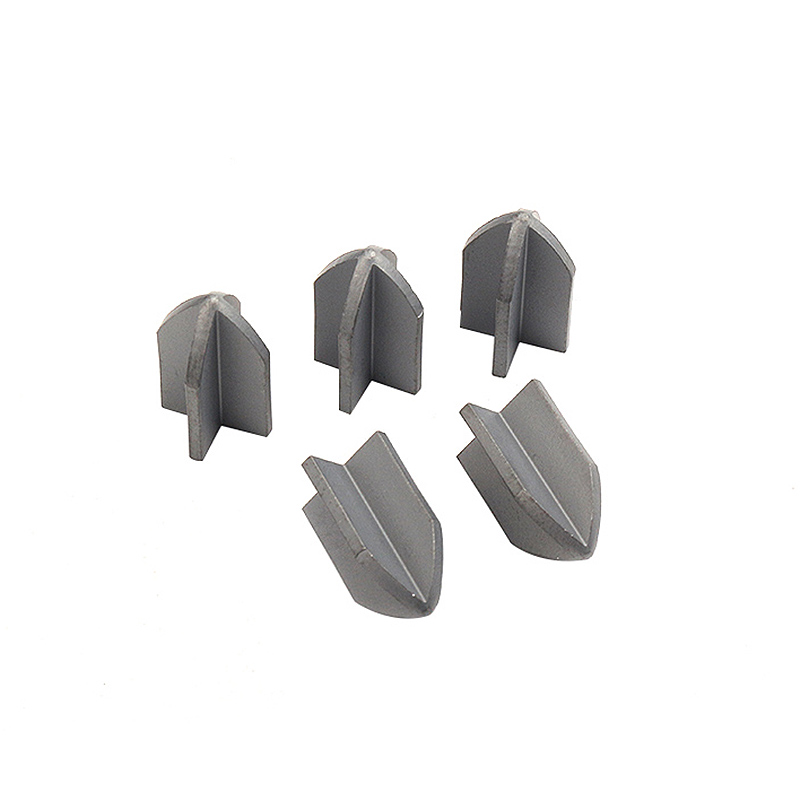
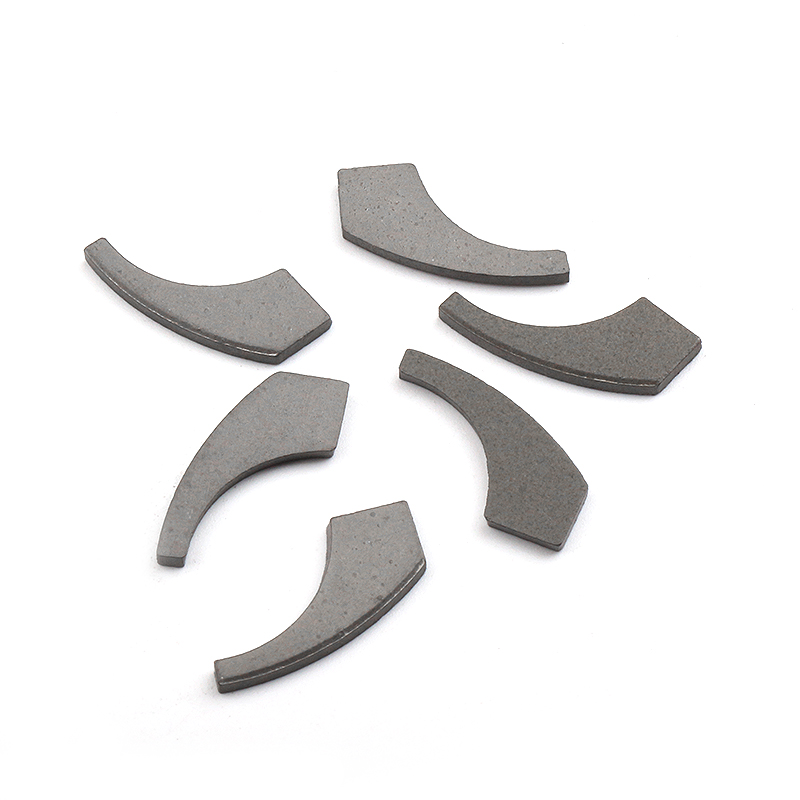
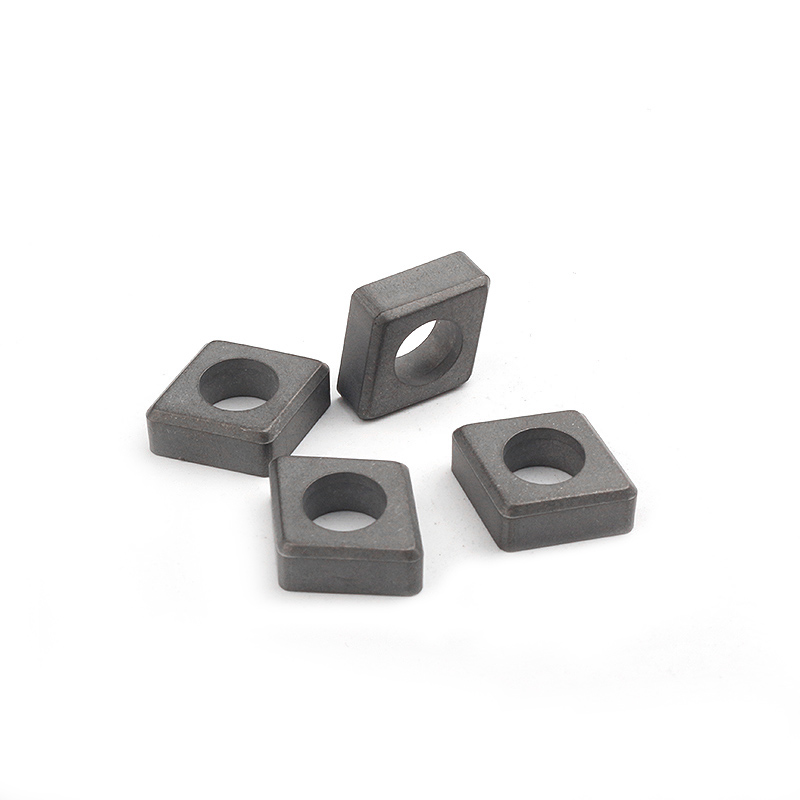
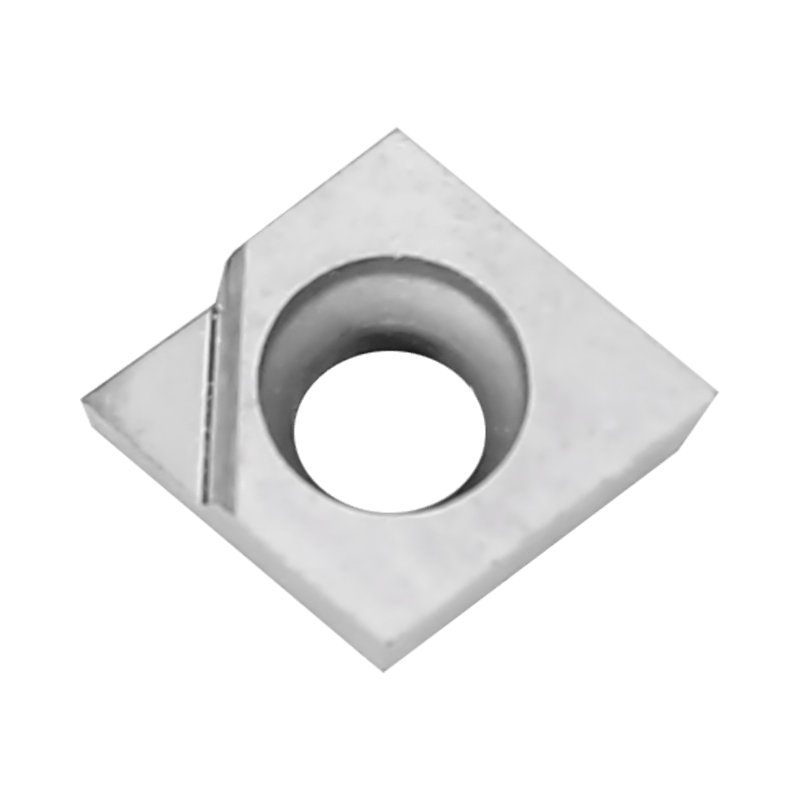
Managing heat during metal cutting and welding operations is a key concern for manufacturers seeking consistent tool performance and stable production. Utilizing tools from an Indexable Insert Factory alongside a Carbide Welding Blade can support better heat management through careful process adjustments. Understanding how these components interact with materials and cutting parameters provides practical guidance for improving the thermal stability of carbide blades during demanding operations.
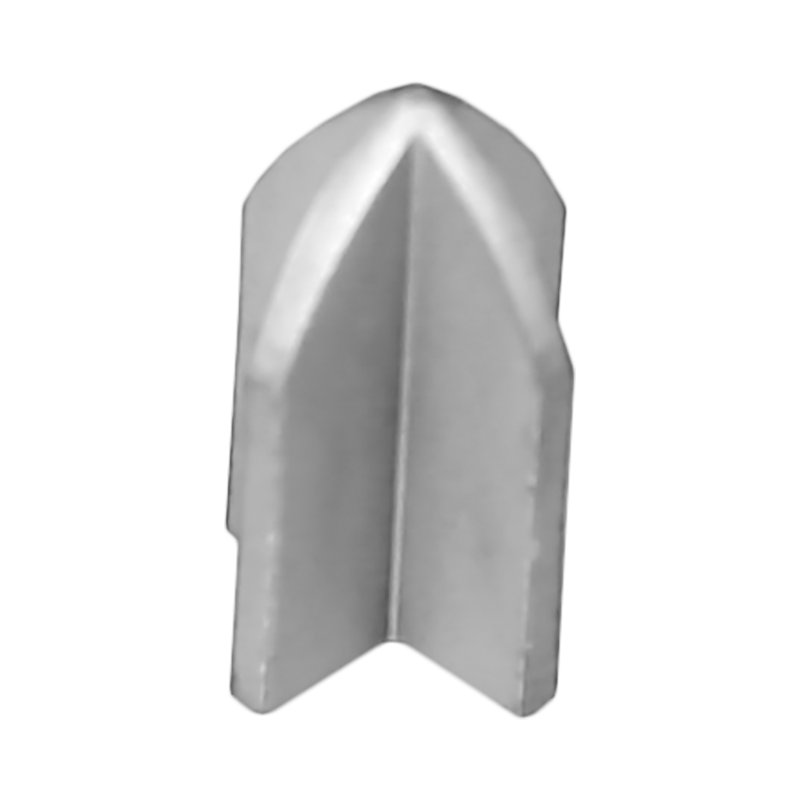
Carbide Welding Blades are composed of tungsten carbide, a material known for its hardness and wear resistance. While these properties allow the blade to retain its edge under standard conditions, high-temperature environments during cutting or welding can influence tool performance. Heat is generated primarily through friction between the blade and the workpiece, as well as from deformation of the material being processed. Indexable inserts produced by specialized factories offer consistent geometry and density, which helps maintain uniform contact between the tool and material. This uniformity reduces localized overheating and contributes to more stable heat distribution along the blade edge.
Higher speeds or excessive feed rates can increase friction and cause rapid temperature rise at the cutting edge. By setting the CNC or manual machining parameters to suit the material hardness and the carbide blade’s properties, operators can maintain moderate heat levels that reduce thermal stress. Indexable inserts provide a reliable baseline for these adjustments because their dimensions and tolerance remain stable across multiple cycles, allowing for predictable interactions with the carbide blade.
The depth of cut also affects the heat produced during machining. Larger cuts involve more material resistance, which generates additional heat. Adjusting the depth of cut to maintain consistent engagement with the workpiece helps distribute heat evenly across the carbide edge. When used with indexable inserts of consistent shape and hardness, this approach ensures that the contact area between the tool and material is predictable, reducing hotspots that could compromise blade performance.
Introducing appropriate cooling or lubrication can support heat management for carbide welding blades. Coolants help remove heat from the cutting zone and reduce friction, while lubricants can lower resistance between the blade and the workpiece. Using carbide blades in combination with high-quality inserts ensures that cooling fluids are applied evenly, as insert geometry guides consistent cutting paths. Adjusting flow rate and positioning of coolant streams allows operators to maintain stable temperature without excessive interruption to the machining process.
Proper orientation and clamping of carbide blades and indexable inserts are essential for thermal management. Misaligned tools can concentrate stress and heat at specific points, while secure and well-aligned inserts allow the blade to distribute cutting forces more evenly. Regular inspection of tool holders and clamping devices ensures that the carbide blade remains properly seated, which contributes to controlled heat exposure during high-speed or heavy-duty operations.
Different workpiece materials generate heat differently due to varying hardness, thermal conductivity, and density. Carbide blades used on high-strength alloys, stainless steel, or other heat-sensitive materials require adjustments to cutting parameters, including speed, feed, and depth of cut. Indexable inserts manufactured to consistent specifications support these adjustments by providing predictable engagement characteristics. Operators can plan material-specific strategies that reduce excessive heating and maintain stable blade performance.
Through careful selection of cutting parameters, attention to tool orientation, and the use of consistent indexable inserts, operators can manage heat during carbide welding blade operations more effectively. These adjustments help maintain the structural stability of the blade, support predictable cutting behavior, and reduce the likelihood of thermal-related wear or deformation. Controlled heat management not only contributes to longer tool life but also supports smoother machining operations and stable production cycles.
 2th Zhengde Road, Furong Town Industrial Zone, Yueqing City, Wenzhou City, Zhejiang, China
 +86-18368755111 / +86-57762299177
 +86-57762298133
 2528647427@qq.com
Copyright © Zhejiang Yueqing Yueyu Alloy Material Co., Ltd. All Rights Reserved.
Wholesale Carbide Tips Manufacturer